Diethoxyethyl Succinate
A lightweight emollient ester that helps skin-care formulas spread smoothly without the feel of a heavy oil.
Extremely safeIn 5 products we cover
We may earn a commission when you buy through links on this page. It never changes what we recommend.
Quick facts
- INCI name
- Diethoxyethyl Succinate
- CAS number
- 26962-29-8
- Origin
- Synthetic
- Chemical class
- Diester emollient
- What it does in a formula
- emollient, solvent, skin conditioning
- Why it is in the formula
- It adds a lightweight, silky emollient feel and helps improve product spread.
What it is
Listed on ingredient decks as diethoxyethyl succinate, this synthetic ester derived from succinic acid and ethoxyethanol groups serves as a lightweight emollient and solvent. Unlike a triglyceride plant oil, it is a defined ester offering smooth lubrication. It is included to refine texture and product spread rather than act as a major skincare active.
You may see it in skin-care products, makeup, or other formulas where the formulator wants a soft glide without a heavy or greasy finish. Ingredient lists do not reveal exactly how much is present, and the result depends on what else is in the product.
What it does
- Softens skin. Its emollient role helps leave skin feeling smoother and more comfortable.
- Improves spread. It can help creams, serums, or makeup glide across skin without dragging.
- Dissolves other materials. As a solvent, it can help incorporate oil-soluble ingredients into a formula.
- Balances texture. It may contribute to a light, silky finish when used with other emollients.
Who it suits
Diethoxyethyl succinate may suit people who enjoy a soft emollient feel but do not want a rich oil or balm. It can appear in many product types, so the finished formula is the best way to judge whether it feels light, slick, or too rich. People with oily or breakout-prone skin do not need to rely on a comedogenic chart to decide; those ratings are unreliable for predicting how a full product behaves.
Any individual can react to a finished formula. If a product causes persistent discomfort, stop using it and consider all ingredients, not just this emollient. People with sensitive skin can introduce one new product at a time and seek a dermatologist’s advice about recurring reactions.
What to pair it with, and what not to
There is no active that must be paired with diethoxyethyl succinate. It is often combined with humectants, emulsifiers, or other emollients to create a balanced finish. Choose the finished product for its texture and use it according to its directions.
Skin Realist check: Some supporting ingredients are here to make a formula feel nicer. That is not a small contribution if you care about using it.
Quick picks with Diethoxyethyl Succinate
Scent-free, no patch-test flags on the label
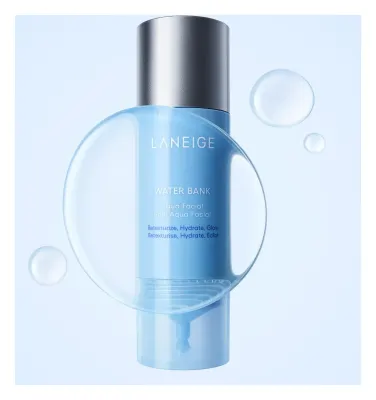
Laneige Water Bank Aqua Facial
AHA, BHA, PHA, niacinamide, ceramide NP, hyaluronic acid, polyglutamic acid · normal, dry, combination, oily, sensitive skin · scent-free label
AmazonFeatured in our guides
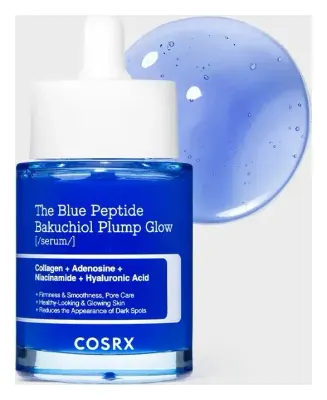
COSRX The Blue Peptide Bakuchiol Plump Glow Serum
Copper Peptide + Bakuchiol · scent-free label
Amazon
All 5 products with Diethoxyethyl Succinate
Anti-Aging & Retinoid Serums (1)
Targeted Vitamin C & Brightening Correctors (1)
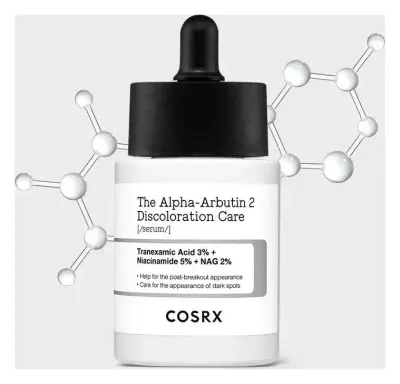
Hydrating Serums, Essences & Ampoules (1)

Dermatological Acne & Chemical Exfoliating Liquids (1)
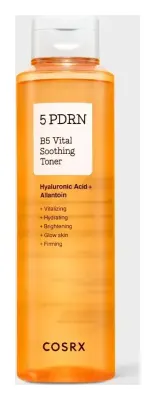
Hydrating Toners, Essence Waters & Face Mists (1)
Common questions
What does diethoxyethyl succinate do in skin care?
It is an emollient ester that helps soften skin and gives a product a smooth, lightweight feel. It can also help dissolve oil-soluble ingredients.
Is diethoxyethyl succinate an oil?
It is an ester with an emollient feel, but it is not the same as a plant triglyceride oil. It is generally used to improve slip and texture in a formula.
Is diethoxyethyl succinate natural?
It is a chemically defined ester made through processing. The ingredient list does not provide enough information to infer the origin of every starting material.
Is diethoxyethyl succinate comedogenic?
Comedogenic ratings are unreliable and do not predict how a complete formula will behave for you. Consider the product's texture and your own experience instead.