Disodium Phosphate
What disodium phosphate does in cosmetics as a buffer and pH adjuster, why it is a supporting ingredient, and what its label does not tell you.
Extremely safeIn 11 products we cover
We may earn a commission when you buy through links on this page. It never changes what we recommend.
Quick facts
- INCI name
- Disodium Phosphate
- CAS number
- 7558-79-4
- Origin
- Mineral or Synthetic
- Chemical class
- Inorganic phosphate salt
- What it does in a formula
- buffering, chelating, viscosity controlling
- Why it is in the formula
- Helps control or buffer a product's pH and formula stability.
What it is
Disodium phosphate is an inorganic salt used primarily as a buffering agent to establish and stabilize cosmetic pH. Also known as dibasic sodium phosphate or disodium hydrogen phosphate, it serves purely as a formulation aid. It is not an exfoliating acid, and the word phosphate does not indicate that a product is harsh or stripping. Its job is to help the chemist keep product chemistry within a target range.
You may see it in cleansers, creams, masks, or other water-based formulas. The right pH can matter for product stability, the performance of certain ingredients, and the way a formula is made. Disodium phosphate is a supporting ingredient, not the reason to buy a moisturizer. A label does not show the final pH or the amount used, so the name alone cannot tell you what the product will feel like.
What it does
- Buffers pH. It can help resist unwanted shifts in a formula’s acidity or alkalinity.
- Supports formula stability. A formulator may use it to keep ingredients working under chosen conditions.
- Helps adjust product design. It is one of several salts and acids that can be used to set a formula’s pH.
Who it suits
Disodium phosphate is not an active you need to seek out based on skin type. It appears in finished products where pH control is useful, and the product’s full formula determines whether it suits you. If you have sensitive skin, focus on how the cleanser or moisturizer feels in use, its fragrance, and your known sensitivities rather than treating a pH adjuster as a warning by default.
Someone with a recurring reaction should consider all ingredients and consult a dermatologist instead of guessing from one unfamiliar chemical name. The ingredient list does not reveal the finished product’s pH, so do not assume that the presence of this salt means the product is either acidic or alkaline. Patch-test new products if you are prone to reactions and discontinue use if irritation persists.
What to pair it with, and what not to
There is nothing you need to layer with disodium phosphate. It is there to help the product’s formula work as intended, alongside its other ingredients. Use the finished product according to its directions rather than trying to adjust its pH at home.
Skin Realist check: A well-formulated product is allowed to have a pH plan without making it your new hobby.
Quick picks with Disodium Phosphate
Scent-free, no patch-test flags on the label
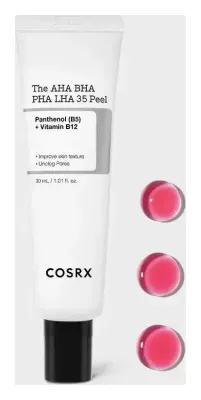
COSRX The AHA BHA PHA LHA 35 Peel
AHA + BHA + PHA + LHA 35% · scent-free label
AmazonBrand lists it for sensitive skin
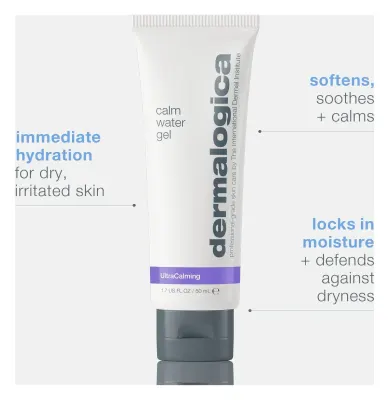
Dermalogica calm water gel
Dual hyaluronic acid technology, aloe vera and prickly pear extract · oily, dry, combination, sensitive, normal skin · scented
AmazonBrand lists it for dry skin
Dermalogica skin smoothing cream moisturizer
Active HydraMesh Technology, hyaluronic acid complex, mallow, cucumber, arnica, grape seed extract, vitamins C and E · normal, dry, combination skin · scented
Amazon

All 11 products with Disodium Phosphate
Daily Moisturizers & Water Gel Creams (2)
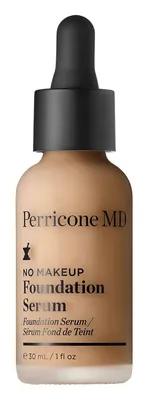
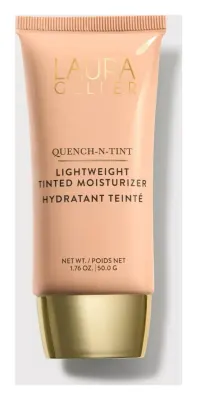
Full-Coverage Camouflage & Liquid Foundations (2)
Dermatological Acne & Chemical Exfoliating Liquids (1)
Physical & Enzyme Face Exfoliants (1)
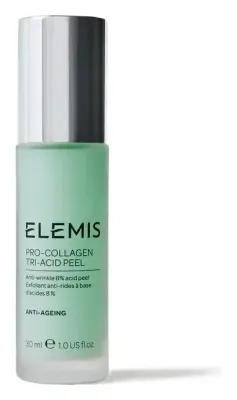
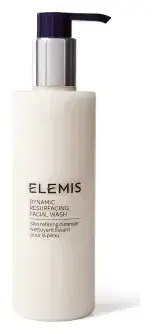
Gel, Foam & Cream Facial Cleansers (1)
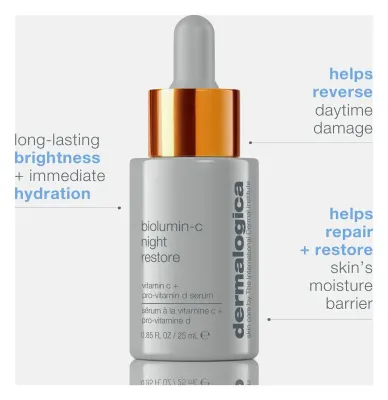
Targeted Vitamin C & Brightening Correctors (1)
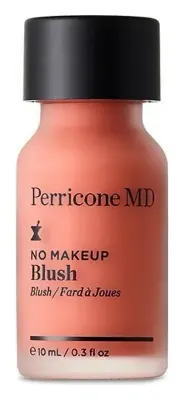
Blush, Bronzers & Highlighters (1)
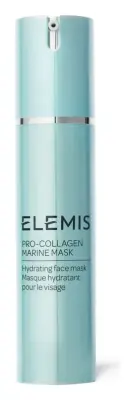
Cream & Gel Treatment Masks (1)
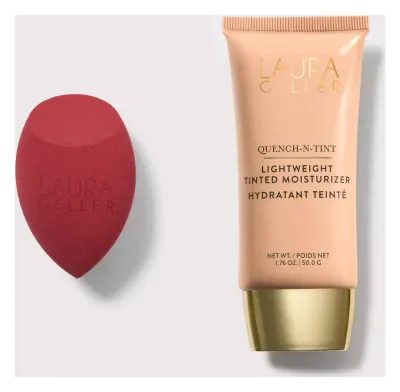
High-Definition Camouflage Concealers (1)
Common questions
What is disodium phosphate in skincare?
Disodium phosphate is an inorganic phosphate salt used in cosmetics for formulation purposes, including buffering and pH control. It is not an exfoliating acid.
Why is disodium phosphate in moisturizer?
It can help a formulator keep a product within a desired pH range or support stability. It is a helper ingredient rather than a moisturizing active.
Is disodium phosphate the same as trisodium phosphate?
No. They are related phosphate salts with different numbers of sodium ions and different chemical properties. A label naming one does not mean the other is present.
Is disodium phosphate bad for sensitive skin?
Its presence alone does not predict whether a finished product will suit you. The full formula and your own sensitivities matter, so patch-test a new product if you tend to react.