Glutamic Acid
Why glutamic acid appears in skincare, how it contributes to natural moisturizing factor, and why its cosmetic role is usually hydration.
Extremely safeIn 8 products we cover
We may earn a commission when you buy through links on this page. It never changes what we recommend.
Quick facts
- INCI name
- Glutamic Acid
- CAS number
- 56-86-0
- Origin
- Biotech (fermentation) or Synthetic
- Chemical class
- Amino acid
- What it does in a formula
- humectant, skin conditioning, buffering
- Why it is in the formula
- Usually included as a humectant or conditioning ingredient to support a hydrated, comfortable skin feel.
What it is
A naturally occurring amino acid found in proteins and the skin’s natural moisturizing factor, glutamic acid functions as a water-binding humectant in cosmetics. It is typically produced for skincare through fermentation or synthetic routes. Despite having the word acid in its name, it is not an exfoliating alpha hydroxy acid like glycolic acid.
In skincare, glutamic acid is generally a supporting humectant or conditioning ingredient. It may appear in a moisturizer, serum, or product marketed around amino acids. Think of it as part of a hydration strategy rather than an ingredient that needs to be treated as a strong active.
What it does
- Helps bind water. As an amino acid and humectant, it can contribute to a hydrated feel on the skin’s surface.
- Supports skin conditioning. It may be included to help a formula leave skin feeling more comfortable.
- Contributes to the formula. Glutamic acid can also have a role in adjusting formula properties, depending on how it is used.
- Is not an exfoliant. Its name should not be mistaken for a direction to use it like glycolic or lactic acid.
Who it suits
Glutamic acid may be found in products for a range of skin types because hydration is a common formula goal. Whether a product feels light or rich depends on the other humectants, oils, and emollients in it. If your skin feels dry, a moisturizer may provide a more complete routine step than looking for glutamic acid alone.
The term amino acid does not guarantee a product will suit everyone, and the full formula matters. If you have a known sensitivity or a product repeatedly causes discomfort, stop using it and review all listed ingredients. Avoid treating cosmetic glutamic acid as a substitute for professional care for a skin condition.
What to pair it with, and what not to
Glutamic acid can sit alongside other humectants and moisturizers without a special pairing rule. Use the product according to its directions, and apply a moisturizer if the formula is a light, water-based step. You do not need to avoid exfoliating acids solely because this ingredient has acid in its name.
Skin Realist check: Amino acid names sound important. Sometimes their skincare job is refreshingly practical.
Quick picks with Glutamic Acid
Scent-free, no patch-test flags on the label
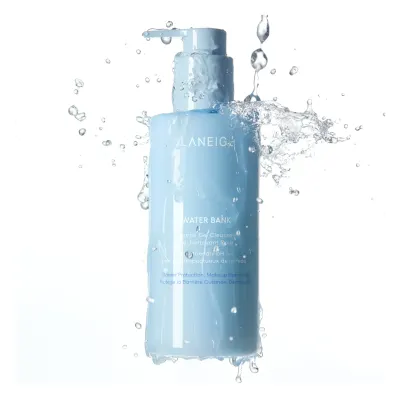
Laneige Water Bank Gentle Gel Cleanser
Blue Hyaluronic Acid, allantoin, and amino acid complex · sensitive skin · scent-free label
AmazonBrand lists it for sensitive skin
Dermalogica antioxidant hydramist
Pea extract, rose extract, clove extract, and antioxidant support · dry, oily, combination, sensitive, normal skin · scented
Amazon

All 8 products with Glutamic Acid
Hydrating Serums, Essences & Ampoules (3)



Gel, Foam & Cream Facial Cleansers (2)

Hydrating Toners, Essence Waters & Face Mists (2)

Daily Moisturizers & Water Gel Creams (1)

Common questions
What does glutamic acid do in skincare?
It is an amino acid that can act as a humectant and skin-conditioning ingredient. Glutamic acid is also among the amino acids found in skin's natural moisturizing factor.
Is glutamic acid an exfoliating acid?
No. Its name includes acid, but in cosmetics it is an amino acid and is not typically used as an exfoliating acid. Its role is more often hydration or formula conditioning.
Is glutamic acid an active ingredient?
It may be marketed in an active-focused product, but its practical role is usually humectant support. Do not expect an amino acid on its own to deliver a specific treatment result.
Can glutamic acid be used with other skincare ingredients?
It does not have a special pairing requirement. Use the finished formula as directed and layer a moisturizer if your routine needs a richer step.