Glyceryl Acrylate/Acrylic Acid Copolymer
How this synthetic copolymer helps skincare hold water and texture, and why it is a formula helper rather than a headline active.
Extremely safeIn 17 products we cover
We may earn a commission when you buy through links on this page. It never changes what we recommend.
Quick facts
- INCI name
- Glyceryl Acrylate/Acrylic Acid Copolymer
- Origin
- Synthetic
- Chemical class
- Acrylate copolymer
- What it does in a formula
- film forming, viscosity controlling, skin conditioning
- Why it is in the formula
- Helps form a light film and support the texture or water-holding feel of gels and serums.
What it is
A synthetic copolymer assembled from glyceryl acrylate and acrylic acid units, this ingredient adjusts the body and texture of cosmetic gels and creams. Joining multiple monomers creates networks that support formula structure. Its long INCI name identifies these chemical components without dictating the exact thickness of the finished formula.
It can appear in serums, gels, and other water-based products. Formulators use polymers like this to make a product feel smoother or leave a light film on skin. It is not an oil, nor is it a plant extract because glyceryl appears in its name. It is a supporting ingredient, not the reason to buy a product.
What it does
- Helps form a film. It can leave a light layer that contributes to the product’s feel after application.
- Supports hydration feel. The polymer may help a formula retain water at the skin surface, though it is not a standalone moisturizer.
- Adjusts texture. It can help give a watery blend more body or a smoother glide.
- Works with the formula. Its effect depends on the amounts and other ingredients around it.
Who it suits
This ingredient is not usually a deciding factor for a skin type. The finished product’s base, including humectants, emollients, and any fragrance, shapes how it feels. If a gel leaves residue or pills under makeup, that reflects the formula and how it is layered, not a predictable reaction to this ingredient alone.
Because it is a synthetic polymer, some readers may wonder about microplastics. Polymer is a broad chemistry term. Environmental classifications depend on properties such as particle size, whether the material is solid or dissolved, and how it enters the environment. It is not accurate to treat every water-soluble cosmetic polymer as identical to a plastic bead. If you have sensitive skin, patch-test the product and stop if it causes persistent irritation.
What to pair it with, and what not to
There is nothing special to pair with this copolymer. It is blended into a finished serum or gel alongside ingredients such as glycerin or hyaluronic acid. Apply a thin layer and allow it to settle before adding makeup or another step if pilling is an issue.
Skin Realist check: A smooth serum needs a little structural support. Not every useful ingredient needs a fan club.
Quick picks with Glyceryl Acrylate/Acrylic Acid Copolymer
Scent-free, no patch-test flags on the label
COSRX Hydrium Green Tea Aqua Soothing Gel Cream
scent-free label
AmazonBrand lists it for oily skin
Elemis Pro-Collagen Marine Cream for Men
Padina pavonica, ginkgo biloba, and wheat germ oil · combination, dry, normal, oily skin · scented
AmazonBrand lists it for dry skin
Elemis Pro-Collagen Marine Cream Ultra-Rich
Padina pavonica, Chlorella vulgaris, Ginkgo biloba, cocoa seed butter, and collagen amino acids · dry skin · scented
Amazon
All 17 products with Glyceryl Acrylate/Acrylic Acid Copolymer
Daily Moisturizers & Water Gel Creams (9)
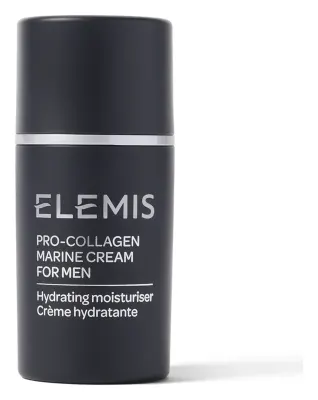 Elemis Pro-Collagen Marine Cream for MenAmazon
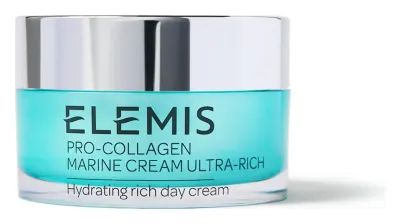 Elemis Pro-Collagen Marine Cream Ultra-RichAmazon
 Elemis Pro-Collagen Night CreamAmazon
 Elemis ULTRA SMART Pro-Collagen Day CreamAmazon
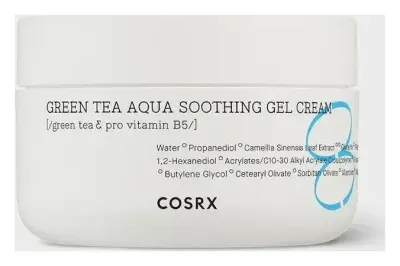 COSRX Hydrium Green Tea Aqua Soothing Gel CreamAmazon
 Elemis Pro-Collagen Morning MatrixAmazon
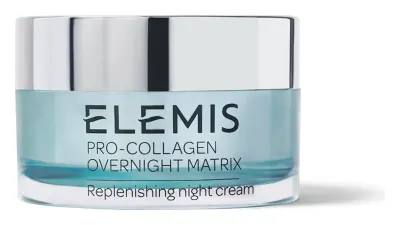 Elemis Pro-Collagen Overnight MatrixAmazon
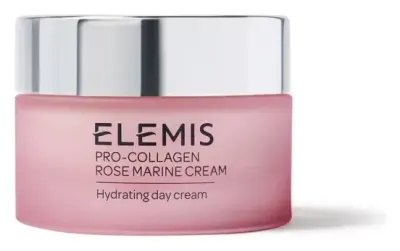 Elemis Pro-Collagen Rose Marine CreamAmazon
 Elemis ULTRA SMART Pro-Collagen Night GeniusAmazon
Hydrating Serums, Essences & Ampoules (3)

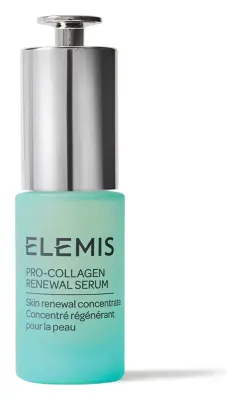

Premium Overnight Recovery Packs & Sleeping Facials (1)
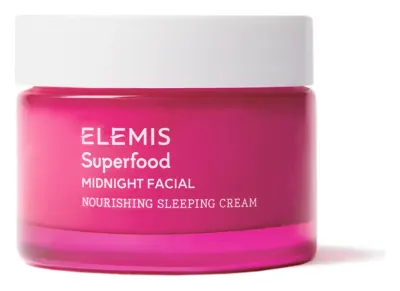
Body Creams, Butters & Body Oils (1)

Eye Creams & Under-Eye Patches (1)

Cream & Gel Treatment Masks (1)
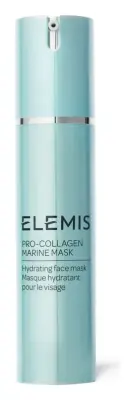
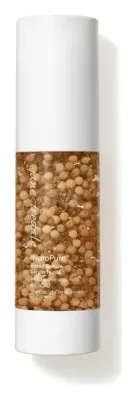
Full-Coverage Camouflage & Liquid Foundations (1)
Common questions
What does glyceryl acrylate/acrylic acid copolymer do?
It is a synthetic polymer used to form a light film and adjust cosmetic texture. It can contribute to a smooth, hydrated feel.
Is this ingredient a moisturizer?
It can support a water-holding or conditioning feel, but it is not a complete moisturizer on its own. The rest of the formula determines its moisturizing effect.
Is this ingredient a microplastic?
It is a synthetic polymer, but polymer is a broad category and does not automatically mean a material meets a microplastic definition. The answer depends on its form, size, and solubility.
Should I avoid acrylate copolymers?
There is no need to avoid this helper solely because its name includes acrylate. If a product does not suit your skin, evaluate the full formula and stop if irritation occurs.