Glycol Distearate
What glycol distearate does as an emollient and texture ingredient, and why it may give cleansers and creams a pearly look.
Extremely safeIn 6 products we cover
We may earn a commission when you buy through links on this page. It never changes what we recommend.
Quick facts
- INCI name
- Glycol Distearate
- CAS number
- 627-83-8
- Origin
- Plant-derived or Synthetic
- Chemical class
- Fatty-acid diester
- What it does in a formula
- opacifying, viscosity controlling, skin conditioning
- Why it is in the formula
- It thickens or softens a formula and can create a pearly, opaque appearance.
What it is
Despite the word acid in its chemical lineage, glycol distearate is an opacifying ester rather than a free exfoliating acid like glycolic acid. Produced from ethylene glycol and stearic acid derived from vegetable or synthetic fats, it gives cleansers, shampoos, and lotions a luxurious pearlescent shimmer and creamy body. It is included to modify appearance and texture rather than peel skin cells.
What it does
- Adds body. It can help thicken a formula and make it feel creamier.
- Creates a pearly look. Its light-scattering properties can give a cleanser or lotion a soft, opalescent appearance.
- Conditions skin. As an ester, it can contribute some emollience and a smoother feel.
Who it suits
Glycol distearate is usually a behind-the-scenes texture ingredient. It does not determine whether a product is a good cleanser or moisturizer by itself; the rest of the formulation does that work. If you prefer a clear, lightweight product, you may not like formulas designed to be creamy or pearly. If you have a known sensitivity, evaluate the full product and stop using it if it causes persistent discomfort.
The presence of distearate in its name does not mean it is a skin exfoliant. The ingredient is an ester of a fatty acid, so it behaves differently from free stearic or glycolic acid. Nor does its presence tell you whether the source is plant-derived, as sourcing may vary. Choose the finished product for its performance and texture instead of drawing conclusions from one ingredient name.
What to pair it with, and what not to
There is nothing to pair with glycol distearate. It is included by formulators with cleansing agents, emollients, and other texture helpers to make a complete product. Use the product as directed and choose the finish you prefer.
Skin Realist check: A pearly cleanser is allowed to be pretty, even when the shimmer is just formula design doing its thing.
Quick picks with Glycol Distearate
Scent-free, no patch-test flags on the label
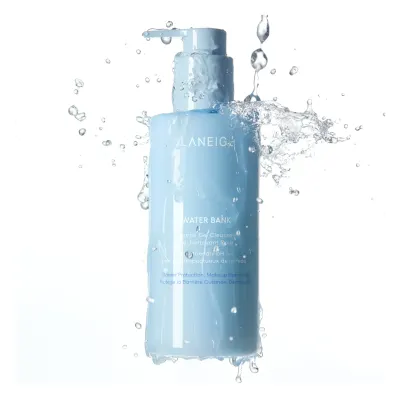
Laneige Water Bank Gentle Gel Cleanser
Blue Hyaluronic Acid, allantoin, and amino acid complex · sensitive skin · scent-free label
AmazonBrand lists it for sensitive skin
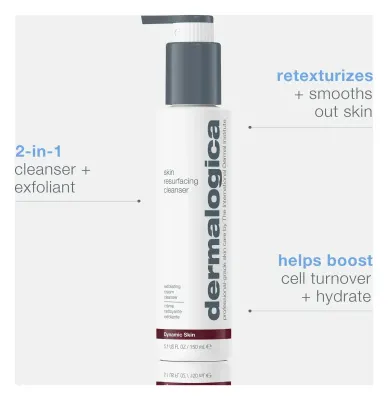
Dermalogica skin resurfacing lactic acid cleanser
Lactic acid, rose flower oil, and antioxidant conditioning · dry, oily, combination, sensitive, normal skin · scented
Amazon
All 6 products with Glycol Distearate
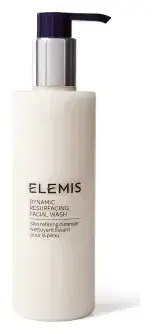
Gel, Foam & Cream Facial Cleansers (5)


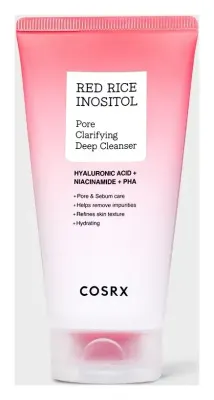
Premium Double-Cleansing Balms & Melting Gels (1)
Common questions
What does glycol distearate do in skincare?
It is a fatty-acid ester used to add viscosity, condition skin, and create an opaque or pearly look. You may see it in cleansers, shampoos, and creams.
Is glycol distearate an exfoliating acid?
No. It is an ester made from glycol and stearic acid, not a free exfoliating acid. Its cosmetic role is mainly texture and appearance.
Why is glycol distearate in my cleanser?
It can help give a cleanser a thicker, creamier texture and a pearly appearance. It is a supporting ingredient, not the cleansing agent by itself.
Is glycol distearate natural?
Its fatty-acid raw materials can come from plant or other sources, and the finished ester is processed. The ingredient name alone does not identify the original feedstock.