Helianthus Annuus (Sunflower) Extract
What sunflower extract is in skincare, how it differs from sunflower seed oil, and what to expect from a botanical helper.
Extremely safeIn 5 products we cover
We may earn a commission when you buy through links on this page. It never changes what we recommend.
Quick facts
- INCI name
- Helianthus Annuus (Sunflower) Extract
- Origin
- Plant-derived
- Chemical class
- Botanical flower extract
- What it does in a formula
- skin conditioning, antioxidant
- Why it is in the formula
- Adds sunflower-derived compounds as a skin-conditioning botanical in the finished formula.
What it is
Distinct from emollient sunflower seed oil, Helianthus annuus extract designates a botanical extract taken from parts of the common sunflower plant. Because extraction techniques, plant tissues, and solvents vary, this broad label name does not identify the exact phytochemical constituents. Sunflower oil, by contrast, is a separate fatty ingredient chosen for skin softening and slip.
Sunflower extract is used as a botanical skin conditioner in some skincare and makeup. It may contribute plant compounds with antioxidant activity, but an ingredient listing is not a guarantee of a visible result. The product’s other ingredients, the type of extract, and the finished formula all matter.
What it does
- Adds a plant extract. The ingredient supplies sunflower-derived material to the formula.
- Conditions skin. It can be part of a blend intended to leave skin feeling comfortable.
- May contribute antioxidants. Sunflower contains plant compounds studied for antioxidant activity, although this does not prove a cosmetic benefit at the amount used.
- Differs from sunflower oil. An extract is not the same as a seed oil used to soften and reduce moisture loss.
Who it suits
There is limited evidence to tell you that sunflower extract is especially suited to one skin type. In practice, the complete product matters more. A light serum and a rich cream can both contain the extract but feel entirely different. If you want emollience, check whether the formula also includes oils or other softening ingredients rather than assuming the extract will act like seed oil.
If you have a known sunflower allergy or a history of reacting to botanicals, review the full label and seek medical advice about allergy concerns. Otherwise, consider patch-testing a new product if your skin is sensitive. Plant origin is not a promise that a product cannot irritate. Stop use if you notice persistent discomfort and ask a dermatologist about recurring reactions.
What to pair it with, and what not to
Sunflower extract does not require a dedicated partner. It can sit in a routine with a basic moisturizer containing glycerin or ceramides. Choose a formula for its overall texture and purpose; do not treat an extract as interchangeable with sunflower seed oil.
Skin Realist check: Sunflower on a label sounds sunny. Your skin still gets to judge the actual formula.
Quick picks with Helianthus Annuus (Sunflower) Extract
Scent-free, no patch-test flags on the label
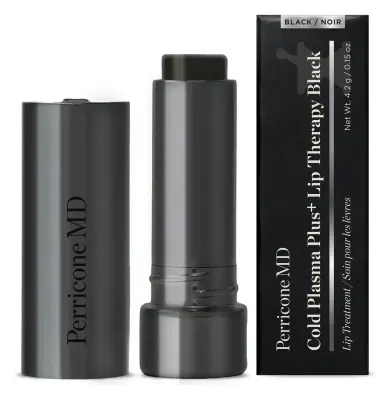
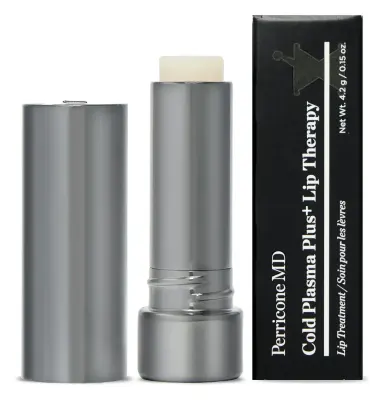
Perricone MD Cold Plasma Plus + Lip Therapy Black
Hyaluronic acid, peptides, avocado oil, shea butter · scent-free label
AmazonBrand lists it for sensitive skin
Dermalogica dynamic skin retinol serum
Retinoid Complex 3.5% · oily, dry, combination, sensitive, normal skin · scented
AmazonBrand lists it for dry skin
Dermalogica phyto nature lifting eye cream
Peptides, Astragalus, Electric Daisy Flower, CoQ10 · dry skin · scented
Amazon


All 5 products with Helianthus Annuus (Sunflower) Extract
Anti-Aging & Retinoid Serums (2)

Intensive Lip Recovery Masks & Tinted Balms (2)
Eye Creams & Under-Eye Patches (1)
Common questions
What is Helianthus annuus extract?
It is a botanical extract from Helianthus annuus, the common sunflower. The INCI name does not identify the plant part or extraction method as clearly as a specific seed oil name would.
Is sunflower extract the same as sunflower oil?
No. Sunflower seed oil is a fatty oil used mainly as an emollient, while sunflower extract is a botanical preparation with a different composition and role.
What does sunflower extract do in skincare?
It is used as a skin-conditioning ingredient and may contribute antioxidant plant compounds. The label alone does not establish a measurable skin benefit.
Is sunflower extract suitable for sensitive skin?
A plant-derived extract can still bother some people. Consider the complete formula and patch-test if you are prone to reactions.