Hydrogenated Vegetable Oil
What hydrogenated vegetable oil does in skincare, how processing changes the texture of plant oils, and what its broad label name leaves unknown.
Extremely safeIn 7 products we cover
We may earn a commission when you buy through links on this page. It never changes what we recommend.
Quick facts
- INCI name
- Hydrogenated Vegetable Oil
- Origin
- Plant-derived
- Chemical class
- Hydrogenated vegetable triglycerides
- What it does in a formula
- emollient, viscosity controlling, skin conditioning
- Why it is in the formula
- It adds a more solid, stable emollient texture to balms, creams, and makeup.
What it is
Under the collective INCI title hydrogenated vegetable oil, manufacturers designate plant oils that have undergone catalytic hydrogenation to turn liquid fats into semi-solid lipids. This process reduces unsaturated bonds, significantly enhancing resistance to rancidity while creating richer textures. The general name conceals which exact vegetable crops were used, so specific sourcing cannot be deduced from the label alone.
In cosmetics, this material is used as an emollient and consistency agent in balms, creams, sticks, and makeup. It can help give a product body and a protective, soft feel. It is not necessarily a liquid oil in the finished formula; hydrogenation can change its texture substantially. If sourcing matters, ask the manufacturer whether it uses a particular plant oil or certified supply chain.
What it does
- Softens the skin. It leaves an emollient layer that can make a product feel more comfortable and less dry.
- Adds structure. A more solid oil can thicken a balm or stick and influence how it spreads.
- Helps with formula stability. Hydrogenation can make oils less prone to oxidation than their unmodified forms, helping the product hold its texture and quality.
Who it suits
Hydrogenated vegetable oil can show up in richer products that suit people who like balms and cream textures. If you prefer lightweight gels or dislike an oily finish, those products may not be your first choice. The broad ingredient name does not tell you the exact source, fatty-acid profile, or amount, so it cannot predict whether a finished product will feel heavy or clog pores.
There is no dependable comedogenic rating that forecasts the behavior of a complete product. Try the texture and observe how your skin feels rather than relying on old ingredient charts. People with a particular plant-source allergy or ethical sourcing requirement should ask the manufacturer what oil was hydrogenated. Patch-test a new leave-on product if you are prone to reactions, and stop using it if it causes persistent discomfort.
What to pair it with, and what not to
There is no special active to pair with hydrogenated vegetable oil. It is an emollient already incorporated into a cream, balm, or makeup formula. Use it according to directions, and choose the overall texture based on what feels comfortable in your routine.
Skin Realist check: A broad ingredient name can be less romantic than a named seed oil, but your skin mostly cares how the whole formula feels.
Quick picks with Hydrogenated Vegetable Oil
Scent-free, no patch-test flags on the label
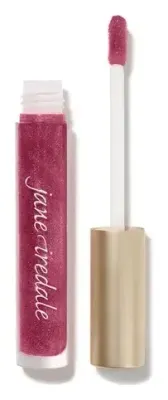
Jane Iredale HydroPure Hyaluronic Acid Lip Gloss
scent-free label
AmazonBrand lists it for sensitive skin
Dermalogica multivitamin power recovery masque
Vitamins A, C, and E; linoleic acid; algae extract; pro-vitamin B5 · dry, combination, normal, oily, sensitive skin · scented
AmazonBrand lists it for dry skin
Dermalogica phyto nature lifting eye cream
Peptides, Astragalus, Electric Daisy Flower, CoQ10 · dry skin · scented
Amazon


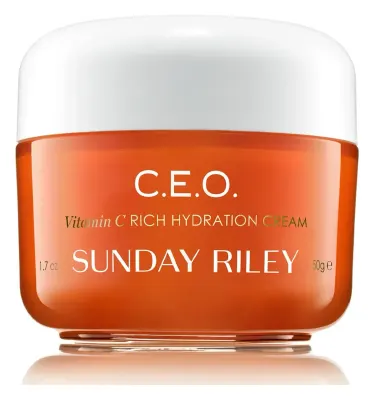
All 7 products with Hydrogenated Vegetable Oil
Daily Moisturizers & Water Gel Creams (3)

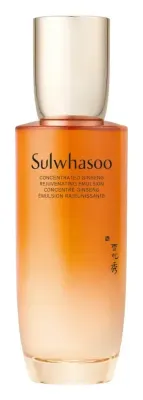
Cream & Gel Treatment Masks (1)
Eye Creams & Under-Eye Patches (1)
Anti-Aging & Retinoid Serums (1)

Lipsticks, Glosses & Lip Liners (1)
Common questions
What is hydrogenated vegetable oil in skincare?
It is vegetable oil that has been hydrogenated, a process that changes its fatty-acid structure and makes it more solid or stable. In cosmetics it is used as an emollient and texture ingredient.
Does hydrogenated vegetable oil come from palm?
It can be made from different vegetable oils, so the label does not reveal the crop or sourcing. Contact the manufacturer if you need to know the specific source.
Is hydrogenated vegetable oil the same as a plant oil?
It is plant-oil-derived but processed to change its texture and behavior. It may act more like a soft solid or wax in a formula than a liquid oil.
Is hydrogenated vegetable oil comedogenic?
There is no reliable ingredient-only comedogenic score for predicting a finished product. The specific formula and its feel on your skin are better guides.