Hydroxyethylcellulose
What hydroxyethylcellulose does in skincare, how it thickens gels and serums, and why its cellulose origin does not make it an active.
Extremely safeIn 11 products we cover
We may earn a commission when you buy through links on this page. It never changes what we recommend.
Quick facts
- INCI name
- Hydroxyethylcellulose
- Origin
- Plant-derived or Synthetic
- Chemical class
- Modified cellulose polymer
- What it does in a formula
- viscosity controlling, film forming, stabilizing
- Why it is in the formula
- It thickens water-based products and helps give gels and serums a smooth, consistent texture.
What it is
Derived from the structural cellulose of plant cell walls through etherification, hydroxyethylcellulose is a nonionic water-soluble polymer used to thicken formulas and create crystal-clear gels. It provides consistent glide and viscosity in water-based serums, cleansers, and lotions. As a functional texture builder, it works in the background to stabilize formulations rather than acting as a focal active.
The word polymer can sound like plastic, but it simply describes a large molecule built from repeating units. Hydroxyethylcellulose is a modified cellulose thickener, not a tiny piece of conventional plastic added for exfoliation. Its specific source and production method are not apparent from the label. The amount used and other ingredients influence whether the product feels light, stringy, silky, or cushiony.
What it does
- Thickens water-based formulas. It helps a serum or cleanser reach a gel-like consistency that is easier to dispense and spread.
- Improves slip. The resulting gel can glide across skin with less watery run-off.
- Supports stability. It can help keep a product’s texture consistent and suspend ingredients throughout the formula.
Who it suits
Because hydroxyethylcellulose is mainly there to control texture, it does not define the skin type a product is for. It can show up in formulas for dry, oily, or combination skin, depending on the rest of the ingredients and the product’s purpose. If you dislike gel textures or prefer a richer cream, the presence of this thickener may signal a texture you do not enjoy, but it does not predict a skin benefit.
The label does not tell you which cellulose source was used. If you have a specific sourcing concern, contact the manufacturer. As with any new product, patch-test a leave-on formula if you are prone to reactions and stop using it if it causes persistent discomfort. A reaction could come from any part of the formula, not necessarily the thickener.
What to pair it with, and what not to
Hydroxyethylcellulose does not need to be paired with an active. It is already blended into the product to create its texture, so layer a serum or gel according to its directions and the rest of your routine. Choose a moisturizer over or under it based on product directions and the feel you prefer.
Skin Realist check: A serum's texture is part of the experience, not a secret measure of its ambition. A good supporting actor can simply make the scene work.
Quick picks with Hydroxyethylcellulose
Scent-free, no patch-test flags on the label
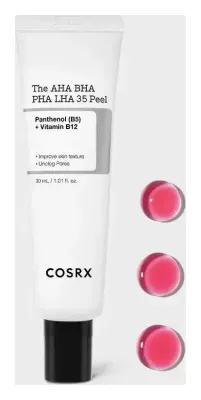
COSRX The AHA BHA PHA LHA 35 Peel
AHA + BHA + PHA + LHA 35% · scent-free label
AmazonBrand lists it for oily skin
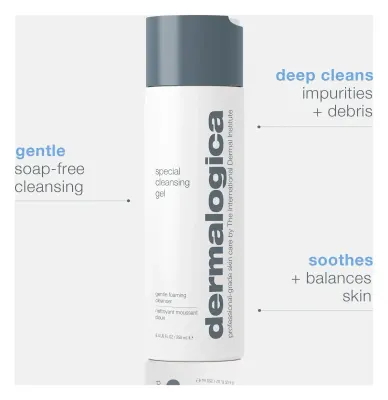
Dermalogica special cleansing gel
Quillaja saponaria, balm mint, and lavender · combination, normal, oily skin · scented
AmazonFeatured in our guides
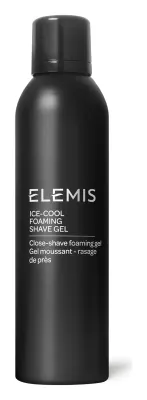
Elemis Ice-Cool Foaming Shave Gel
Aloe vera, witch hazel, and English oak bark · scented
Amazon
All 11 products with Hydroxyethylcellulose
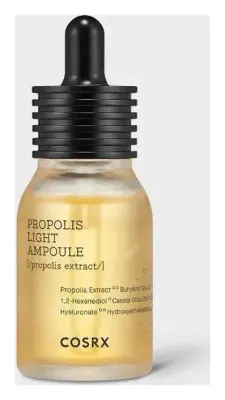
Hydrating Serums, Essences & Ampoules (2)

Eye Shadows, Liners, Mascara & Brow Makeup (2)
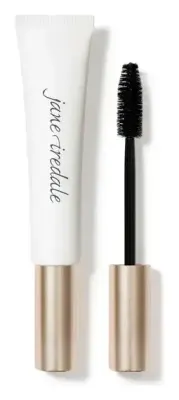
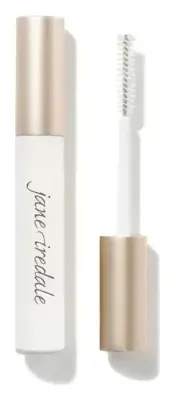
Dermatological Acne & Chemical Exfoliating Liquids (1)
Shaving Creams, Gels & Oils (1)
Physical & Enzyme Face Exfoliants (1)
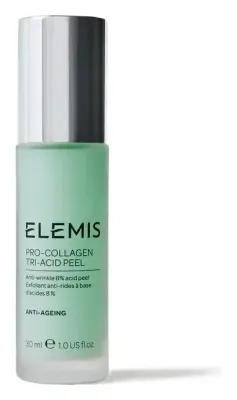
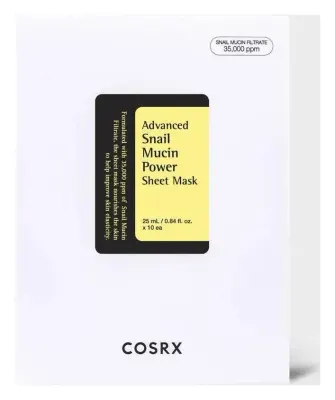
Sheet, Hydrogel & Clay Masks (1)
Gel, Foam & Cream Facial Cleansers (1)
Full-Coverage Camouflage & Liquid Foundations (1)
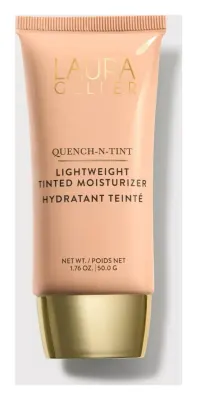
High-Definition Camouflage Concealers (1)
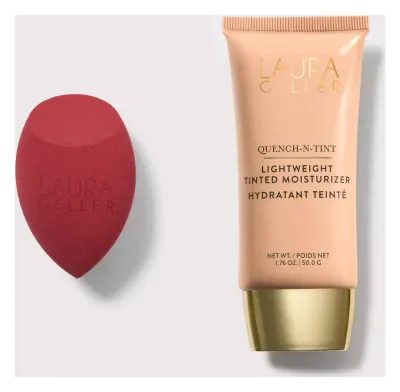
Common questions
What does hydroxyethylcellulose do in skincare?
It thickens water-based products and helps create a smooth gel or serum texture. It can also help keep a formula consistent.
Is hydroxyethylcellulose natural?
It is made from cellulose, a plant-derived material, that is chemically modified for use in products. The INCI name does not tell you the specific starting source.
Is hydroxyethylcellulose a plastic?
It is a modified cellulose polymer used as a thickener. The word polymer describes a large molecular structure and does not mean every polymer is a conventional plastic particle.
Does hydroxyethylcellulose have a skin benefit?
Its main job is to improve the product's texture and stability, not to act as a headline active. Any feel on skin comes from the complete formula.