Inulin
What inulin does in skincare, how this plant-derived sugar helps formulas hold water, and why it is not a food-style treatment.
Extremely safeIn 6 products we cover
We may earn a commission when you buy through links on this page. It never changes what we recommend.
Quick facts
- INCI name
- Inulin
- Origin
- Plant-derived or Biotech (fermentation)
- Chemical class
- Fructan polysaccharide
- What it does in a formula
- humectant, skin conditioning, viscosity controlling
- Why it is in the formula
- Helps bind water and condition skin as part of a hydrating cosmetic formula.
What it is
Extracted naturally from chicory root or produced via fermentation, inulin is a carbohydrate made of linked fructose chains. In topical skincare, it serves as a water-soluble humectant and skin conditioner that attracts hydration. Despite its carbohydrate origin, it is formulated to support skin feel and moisture rather than sweeten a product.
You may see inulin in moisturizers, serums, and other water-based products. Because it can bind water, it may support a hydrated feel. Some skincare products describe inulin and related ingredients as prebiotic, but that word should not be taken as proof that the product changes the skin microbiome or treats a concern. Cosmetic evidence depends on the finished formula and its testing.
What it does
- Binds water. Inulin can function as a humectant, helping a formula support a moist, comfortable feel.
- Conditions skin. It may contribute to the smooth feel of a product after application.
- Supports texture. As a carbohydrate polymer, it can contribute some body to water-based products.
- Acts as a helper. It is not a standalone acne treatment or guaranteed microbiome intervention.
Who it suits
Inulin can appear in products for many skin types. Its humectant role may fit a hydrating serum or moisturizer, but the overall formula determines whether it feels light or rich. Dry skin may prefer it in a formula with emollients that help reduce water loss, while oily skin may choose a lighter gel.
There is limited evidence for broad cosmetic claims about inulin and the skin microbiome. Treat it as a supporting hydrator unless a specific finished product has reliable evidence for more. Plant origin is not a guarantee against irritation. Patch-test if you have reactive skin and discontinue use if a product causes persistent discomfort. Ask a dermatologist about ongoing skin concerns.
What to pair it with, and what not to
Inulin can sit alongside other humectants such as glycerin or hyaluronic acid. If your skin is dry, follow a watery serum with moisturizer for a more comfortable finish. You do not need to layer multiple products labeled prebiotic to get a basic hydration routine.
Skin Realist check: Food chemistry can be interesting, but your moisturizer is not a snack with a skincare side hustle.
Quick picks with Inulin
Scent-free, no patch-test flags on the label
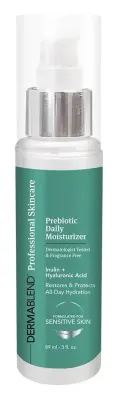
Dermablend Prebiotic Daily Moisturizer
scent-free label
AmazonBrand lists it for sensitive skin
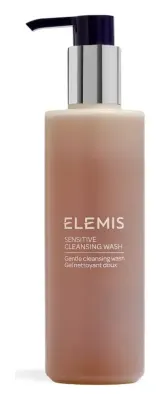
Elemis Sensitive Cleansing Wash
Chamomile, thyme, and lady's mantle · dry, sensitive skin · scented
AmazonFeatured in our guides
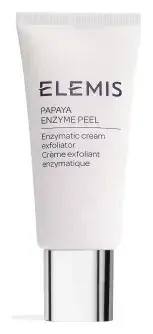
Elemis Papaya Enzyme Peel
Papain · scented
Amazon
All 6 products with Inulin
Gel, Foam & Cream Facial Cleansers (2)
Daily Moisturizers & Water Gel Creams (2)

Physical & Enzyme Face Exfoliants (1)
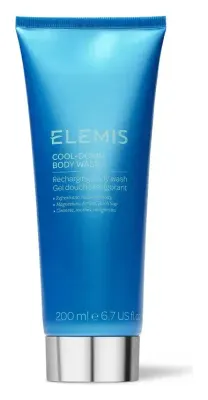
Body Creams, Butters & Body Oils (1)
Common questions
What is inulin in skincare?
Inulin is a plant-derived carbohydrate made of linked fructose units. It is used in cosmetics as a humectant and skin conditioner.
What does inulin do for skin?
It can help a formula bind water and support a hydrated feel. Its presence does not prove that a product changes the skin microbiome or treats a condition.
Is inulin a probiotic in skincare?
Inulin is a carbohydrate, not a live microorganism. It may be described as a prebiotic in some contexts, but that label does not prove a particular cosmetic changes skin health.
Is inulin natural?
It occurs in plants such as chicory root and can be produced or purified for cosmetic use. The ingredient list does not disclose the exact source.