Isopentyldiol
What isopentyldiol does as a glycol humectant and solvent, why it is not a drying alcohol, and how it fits into a skincare formula.
Extremely safeIn 5 products we cover
We may earn a commission when you buy through links on this page. It never changes what we recommend.
Quick facts
- INCI name
- Isopentyldiol
- CAS number
- 2568-33-4
- Origin
- Synthetic
- Chemical class
- Branched glycol (diol)
- What it does in a formula
- humectant, solvent, skin conditioning
- Why it is in the formula
- Helps attract moisture and dissolve ingredients in lightweight formulas.
What it is
Despite sharing the word alcohol with drying astringents like alcohol denat., isopentyldiol is a synthetic diol featuring two hydroxyl groups that function as a humectant and solvent. Its chemical structure helps draw moisture to the skin rather than evaporating rapidly like volatile spirits. It hydrates formulas and improves product spread.
It may appear in serums, lotions, and other water-based formulas. As a humectant, it can help attract and hold water in the product and at the skin surface. As a solvent, it can help dissolve ingredients that might otherwise be difficult to blend. The ingredient name does not tell you the concentration or the exact feel of a finished product, which depends on all its components.
What it does
- Helps retain moisture. Its humectant role can support a hydrated feel at the skin surface.
- Dissolves ingredients. It can act as a solvent for other formula components.
- Supports texture. It may help a serum or lotion feel smooth and spread evenly.
Who it suits
Isopentyldiol is a supporting ingredient that can appear in products for many skin types. If you want hydration, judge the full formula and its texture rather than buying based on this ingredient alone. It can be combined with other humectants and moisturizers, but no single glycol guarantees that a product will suit you.
Do not avoid it just because the name includes diol or the word alcohol in its chemistry. Glycols are different from volatile simple alcohols, though any ingredient can cause a reaction in some people. Patch-test a new product if your skin is reactive, and stop use if you notice persistent irritation. If you have a recurring concern, a dermatologist can help you evaluate the product and routine.
What to pair it with, and what not to
Isopentyldiol can be part of a formula with other humectants such as glycerin or hyaluronic acid. A moisturizer can help round out a hydrating routine. It does not need an ingredient added to neutralize it.
Skin Realist check: The word alcohol is a very broad neighborhood. Not every resident has the same job.
Quick picks with Isopentyldiol
Scent-free, no patch-test flags on the label
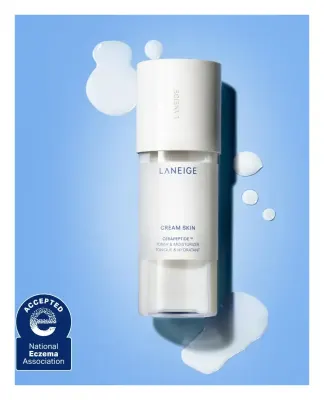
Laneige Cream Skin Milky Toner with Ceramides & Peptides for Nourishing Hydration
Ceramide and peptide complex; White Leaf Tea · oily, dry, combination, sensitive, normal skin · scent-free label
AmazonFeatured in our guides
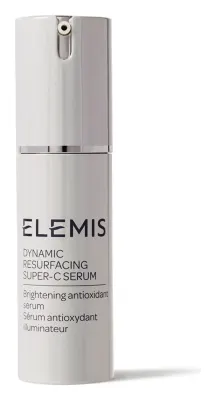
Elemis Dynamic Resurfacing Super-C Serum
Sodium ascorbyl phosphate, papain, protease, subtilisin, and rosemary leaf extract · scented
Amazon
All 5 products with Isopentyldiol
Hydrating Toners, Essence Waters & Face Mists (2)

Targeted Vitamin C & Brightening Correctors (1)
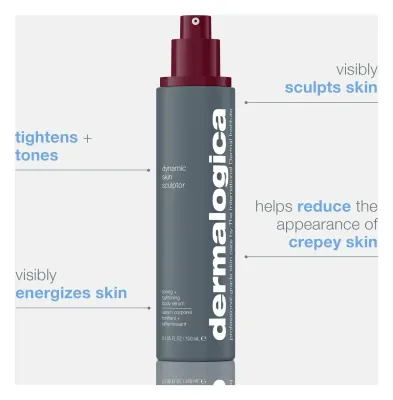
Body Creams, Butters & Body Oils (1)
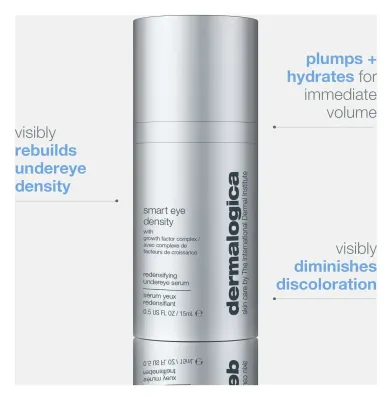
Eye Creams & Under-Eye Patches (1)
Common questions
What is isopentyldiol in skincare?
Isopentyldiol is a glycol, or diol, used as a humectant and solvent. It can help hold water in a formula and dissolve other ingredients.
Is isopentyldiol a drying alcohol?
No. It is a glycol with two hydroxyl groups, not a volatile simple alcohol such as alcohol denat. It is used as a humectant or solvent.
What does isopentyldiol do in a serum?
It can help a serum retain moisture and keep ingredients dissolved. Its effect on the feel of the product depends on the complete formula.
Can isopentyldiol irritate skin?
Any ingredient can bother some people, and the full formula matters. If you have sensitive skin, patch-test a new product and stop if irritation persists.