Lauryl Glucoside
What lauryl glucoside does in cleansers, how its mildness depends on the full formula, and why some people patch-test it.
Extremely safeIn 7 products we cover
We may earn a commission when you buy through links on this page. It never changes what we recommend.
Quick facts
- INCI name
- Lauryl Glucoside
- CAS number
- 27836-64-2
- Origin
- Plant-derived or Synthetic
- Chemical class
- Nonionic alkyl glucoside surfactant
- What it does in a formula
- cleansing, surfactant, foam boosting
- Why it is in the formula
- Helps lift oil and soil from skin and contributes to foam in rinse-off products.
What it is
Used mainly as a nonionic surfactant in rinse-off cleansers, lauryl glucoside is produced by combining a lauryl fatty alcohol with a glucose-derived portion. Its raw starting materials are often plant-derived, though chemical processing is required to create the final ingredient. You will find it most often in face washes, shampoos, and body cleansers.
Surfactants help water loosen oils and soil so they can be rinsed away. Lauryl glucoside is often used in formulas described as mild, but mildness is not a guaranteed property of one ingredient. A cleanser can still feel stripping if its full surfactant blend, pH, use time, or washing routine is not a good match. Alkyl glucosides also have a documented contact-allergy potential for some people, which is useful to know if you have a history of reactions.
What it does
- Cleanses. It helps lift oil and surface grime so water can rinse them away.
- Supports lather. It can contribute to foam and the sensory feel of a cleanser.
- Works in surfactant blends. Formulators use it with other cleansing agents to adjust how a product washes and rinses.
Who it suits
Lauryl glucoside appears in products for many skin types, but the cleanser’s full formula is more informative than this one label entry. If your face feels tight or uncomfortable after washing, consider changing the whole product or routine rather than relying on an ingredient’s mild reputation. Use lukewarm water, avoid scrubbing, and rinse thoroughly. People with a known alkyl-glucoside allergy should avoid products containing it and follow advice from their clinician.
Patch-test a new cleanser if your skin is reactive, and stop using it if it causes persistent irritation. A reaction may come from any part of the formula, including fragrance or other surfactants.
What to pair it with, and what not to
Lauryl glucoside is part of the cleanser, so it does not need to be layered with another cleansing ingredient. After rinsing, use a moisturizer with glycerin or ceramides if that suits your routine. Avoid washing repeatedly just to create more foam.
Skin Realist check: A cleanser should do the washing and then leave. It does not need to deliver a standing ovation.
Quick picks with Lauryl Glucoside
Scent-free, no patch-test flags on the label
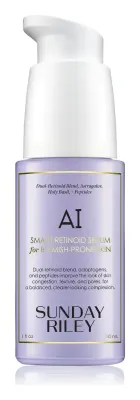
Sunday Riley A.I. Smart Retinoid Serum
Hydroxypinacolone Retinoate · scent-free label
AmazonBrand lists it for sensitive skin
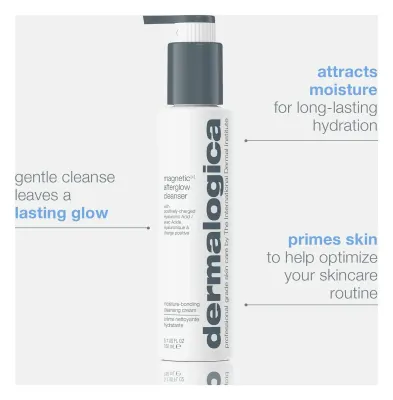
Dermalogica magnetic[+] afterglow cleanser
Positively charged hyaluronic acid, murumuru butter, oat, lotus root extract, and 10% glycerin · oily, dry, combination, sensitive, normal skin · scented
AmazonBrand lists it for oily skin
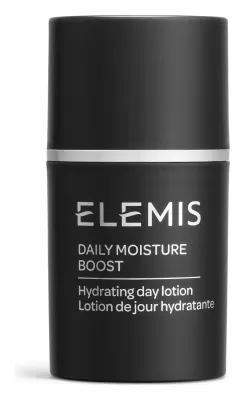
Elemis Daily Moisture Boost
Polynesian Green Tamanu Oil, chestnut extract, cactus flower extract · combination, dry, normal, oily skin · scented
Amazon
All 7 products with Lauryl Glucoside
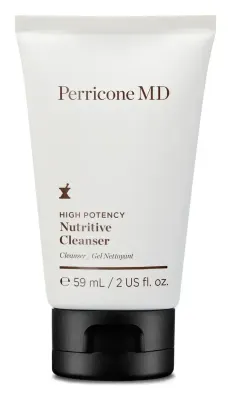
Gel, Foam & Cream Facial Cleansers (3)
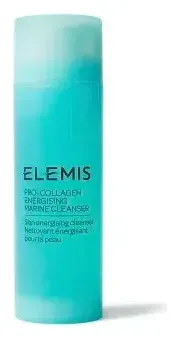
Anti-Aging & Retinoid Serums (2)

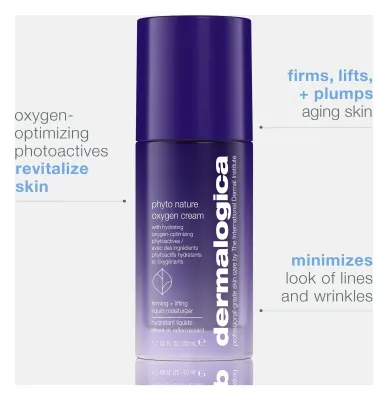
Daily Moisturizers & Water Gel Creams (2)
Common questions
What is lauryl glucoside in skincare?
Lauryl glucoside is a nonionic surfactant used mainly in rinse-off cleansers. It is made from a fatty alcohol portion and a glucose-derived portion.
Is lauryl glucoside a gentle cleanser?
It is often used in mild-feeling cleansers, but no single surfactant guarantees that a finished formula will be gentle. Concentration, pH, other cleansing agents, and contact time all matter.
Can lauryl glucoside cause an allergy?
Alkyl glucosides are documented contact allergens for some people. If you have a known allergy or past reaction, check the full ingredient list and follow medical advice.
Is lauryl glucoside natural?
Its starting materials can be plant-derived, but it is made through processing and combination of those materials. The label does not certify a particular source or naturalness standard.