Methyl Gluceth-20
What Methyl Gluceth-20 does in skincare, its usual role in cosmetic formulas, who may prefer it, and what to know before using it.
Extremely safeIn 9 products we cover
We may earn a commission when you buy through links on this page. It never changes what we recommend.
Quick facts
- INCI name
- Methyl Gluceth-20
- Origin
- Synthetic
- Chemical class
- Ethoxylated glucose ether
- What it does in a formula
- humectant, emulsifying, skin conditioning
- Why it is in the formula
- Usually included as a humectant and texture-support ingredient in water-based skin-care formulas.
What it is
Methyl gluceth-20 is an ethoxylated, sugar-derived ingredient used as a humectant and conditioning agent. It helps formulas hold moisture while providing a smooth skin feel. The number 20 in its INCI name indicates chemical structure units rather than a formula percentage.
Ethoxylated ingredients are made using a process that can create 1,4-dioxane as a possible impurity. The FDA explains that 1,4-dioxane is not intentionally used as a cosmetic ingredient and that manufacturers can reduce it through processing. Reputable makers control manufacturing impurities; the possibility is not proof that a product contains it.
What it does
- Supports a hydrated feel. It can act as a humectant in creams and serums.
- Helps with texture. It can make a formula feel smooth and support consistency.
- Is ethoxylated. This describes its chemistry and manufacturing family, not an ingredient deliberately added as 1,4-dioxane.
Who it suits
Methyl gluceth-20 is a supporting ingredient, not an active that needs to be judged by a dramatic claim. It can appear in products for a range of skin types. If you have a known sensitivity or a product causes discomfort, consider the whole formula and stop using it if irritation continues.
What to pair it with, and what not to
It can sit alongside common humectants and emollients in a moisturizer without a special layering rule. It does not need to be countered by another ingredient. Choose products from manufacturers that take quality control seriously and follow package directions. There is no need to build a routine around this ingredient alone. Choose compatible textures, follow product directions, and let the complete formula do its intended job.
Skin Realist check: A chemistry word on the label is a reason to learn its job, not a reason to panic.
Quick picks with Methyl Gluceth-20
Brand lists it for sensitive skin
Dermalogica antioxidant hydramist
Pea extract, rose extract, clove extract, and antioxidant support · dry, oily, combination, sensitive, normal skin · scented
AmazonBrand lists it for oily skin
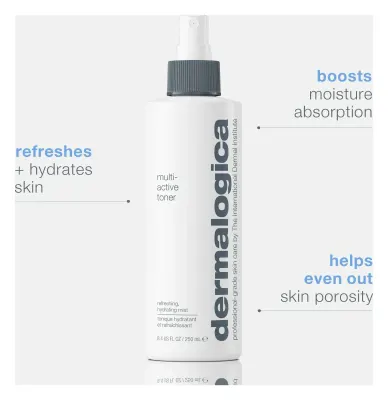
Dermalogica multi-active toner
Moisture-binding humectants, arnica, balm mint, and lavender · oily, dry, combination, sensitive, normal skin · scented
AmazonFeatured in our guides
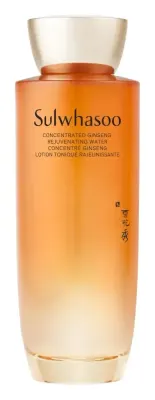
Sulwhasoo Concentrated Ginseng Rejuvenating Serum
scented
Amazon


All 9 products with Methyl Gluceth-20
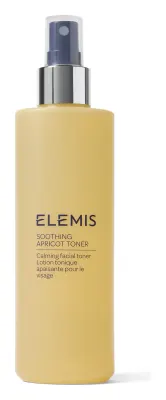
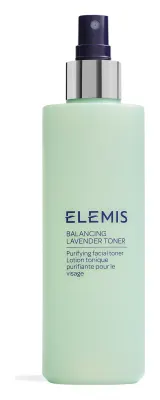
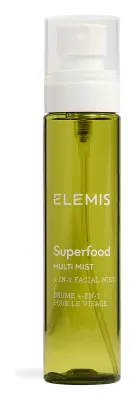
Hydrating Toners, Essence Waters & Face Mists (6)
Anti-Aging & Retinoid Serums (1)
Dermatological Acne & Chemical Exfoliating Liquids (1)
Eye Creams & Under-Eye Patches (1)

Common questions
What does methyl gluceth-20 do in skincare?
It can act as a humectant and texture-support ingredient, helping a formula feel smooth and conditioned. It is a supporting component rather than a standalone active.
Does methyl gluceth-20 contain 1,4-dioxane?
It is ethoxylated, and 1,4-dioxane can form as a manufacturing byproduct in some ethoxylated materials. The FDA notes it is not intentionally used as a cosmetic ingredient and can be reduced by processing.
Should I avoid all ethoxylated ingredients?
The presence of an ethoxylated ingredient does not prove that a product contains an impurity. Manufacturers can control byproducts, and the FDA provides information about 1,4-dioxane in cosmetics.