Microcrystalline Cellulose
How microcrystalline cellulose gives cosmetics structure and a soft powdery texture, and why it is not a cellulose peel.
Extremely safeIn 7 products we cover
We may earn a commission when you buy through links on this page. It never changes what we recommend.
Quick facts
- INCI name
- Microcrystalline Cellulose
- Origin
- Plant-derived
- Chemical class
- Purified cellulose
- What it does in a formula
- bulking, viscosity controlling, absorbent
- Why it is in the formula
- Adds body, absorbs some oil, or helps create a smooth texture in powders, creams, and cleansers.
What it is
Despite sounding synthetic, microcrystalline cellulose is a purified plant-derived material produced by processing natural wood or plant fibers into fine particles. Its microcrystalline name refers to crystalline cellulose regions, not plastic microbeads. Formulators incorporate it into cosmetic formulas to control viscosity, absorb moisture, and refine texture.
In cosmetics, it is a practical helper in powders, creams, and cleansers. Depending on the formula, it can add body, help absorb oil, or improve a product’s feel. It is not the same as a cellulose scrub or an active exfoliant. Its function depends on the finished product and how the material is incorporated.
What it does
- Adds structure. It can increase the body of a powder, cream, or other formula.
- Absorbs some oil. In certain products, it contributes to a drier, less slick feel.
- Supports a smooth texture. Its particles can affect how a product spreads or sits on skin.
- Acts as a supporting ingredient. It shapes the product rather than providing a standalone treatment benefit.
Who it suits
Microcrystalline cellulose is not usually a skin-type decision point. Its presence may be in products for many skin types, while the rest of the formula determines whether a product feels moisturizing, matte, rich, or light. If a powder or cleanser leaves your skin uncomfortable, review the full product and use pattern rather than assuming this ingredient is the cause.
Cellulose is plant-derived, but that does not make every formula automatically suitable for every person. Patch-test a new product if you tend to react, and stop if it causes persistent irritation. If you have a concern about plant-derived ingredients or a recurring reaction, a dermatologist can help assess the complete formula.
What to pair it with, and what not to
There is no special active to pair with microcrystalline cellulose. It is part of the finished product’s texture system. If a product feels drying, follow it with a moisturizer that suits you, such as one with glycerin or ceramides.
Skin Realist check: Some ingredients are here to hold the furniture in place. That is still a useful job.
Quick picks with Microcrystalline Cellulose
Scent-free, no patch-test flags on the label
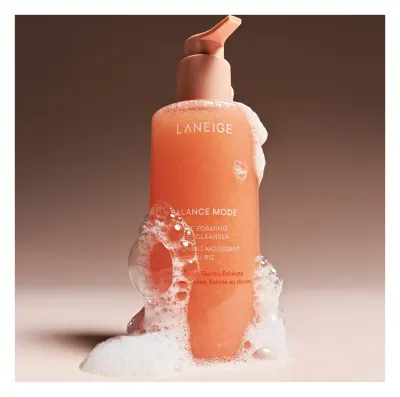
Laneige Balance Mode Rice Foaming Deep Cleanser
Rice-inamide Complex, rice powder, glycolic acid, and ceramide · combination, oily, normal, sensitive skin · scent-free label
AmazonBrand lists it for sensitive skin
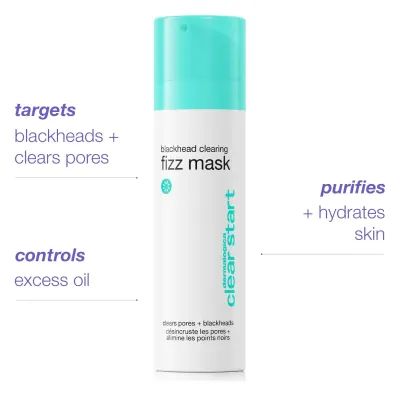
Dermalogica blackhead clearing fizz mask
Sulfur 3.0%; kaolin clay · oily, dry, combination, sensitive, normal skin · scented
AmazonBrand lists it for oily skin
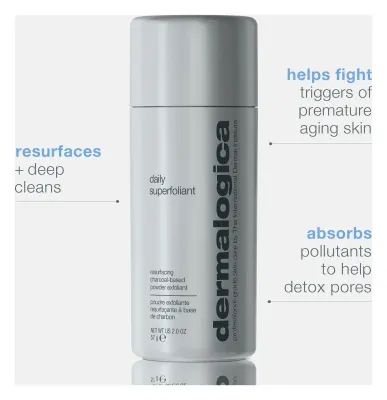
Dermalogica daily superfoliant exfoliator
Activated Binchotan Charcoal, lactic acid, niacinamide and rice powder enzymes · oily, combination, normal skin · scented
Amazon
All 7 products with Microcrystalline Cellulose
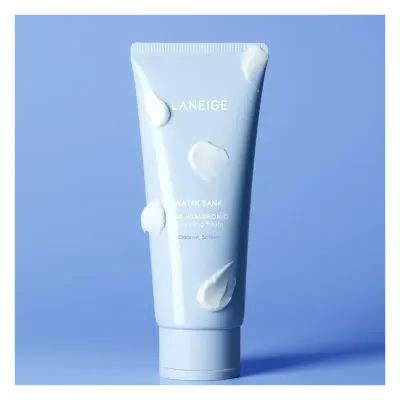
Gel, Foam & Cream Facial Cleansers (2)
Physical & Enzyme Face Exfoliants (2)
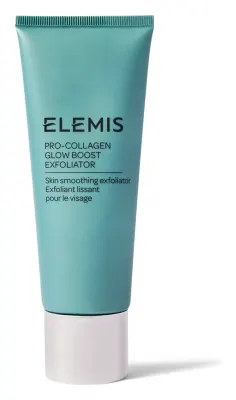
Sheet, Hydrogel & Clay Masks (1)
Premium Overnight Recovery Packs & Sleeping Facials (1)

Eye Creams & Under-Eye Patches (1)

Common questions
What is microcrystalline cellulose in skincare?
It is a purified, plant-derived form of cellulose, the structural material in plant cell walls. Cosmetics use it as a texture, bulking, or absorbent ingredient.
What does microcrystalline cellulose do in makeup?
It can add body to powders and help a product feel smoother or less oily. The exact role depends on the formula.
Is microcrystalline cellulose a plastic?
No. Cellulose is a natural plant polymer, although it is processed for cosmetic use. It is chemically distinct from common synthetic plastic polymers.
Does microcrystalline cellulose exfoliate skin?
It is not automatically an exfoliant. In a product it may act as a powder, absorbent, or thickener, and its name does not indicate abrasive particles.