Oleic Acid
What oleic acid does as a fatty acid and emollient, and why its presence alone cannot predict how a product will feel.
Extremely safeIn 6 products we cover
We may earn a commission when you buy through links on this page. It never changes what we recommend.
Quick facts
- INCI name
- Oleic Acid
- CAS number
- 112-80-1
- Origin
- Plant-derived or Animal-derived or Synthetic
- Chemical class
- Monounsaturated fatty acid
- What it does in a formula
- emollient, skin conditioning
- Why it is in the formula
- It contributes an emollient feel and can help soften the skin's surface.
What it is
Oleic acid is a common monounsaturated fatty acid found across animal fats and plant oils, serving as the primary lipid component in olive oil. In cosmetic manufacturing, it may be added in isolated form or integrated into complex esters and oils. Because raw material sourcing varies widely across the industry, the label name alone does not confirm whether a given batch is derived from plant or animal feedstocks.
In cosmetics, oleic acid can be used as an emollient and as a building block for other ingredients. It can help soften the skin’s surface and contribute to a richer feel. Its effect depends on the full formula. A standalone fatty acid behaves differently from an oil blend or a product where the acid has been chemically modified.
What it does
- Softens skin. Oleic acid can contribute emollient and conditioning properties.
- Supports texture. It may help give creams or oils a smoother, richer feel.
- Appears within plant oils. It is a common component of olive oil and other lipid materials.
Who it suits
Oleic acid is a supporting ingredient, not an automatic recommendation for dry or oily skin. It cannot tell you on its own whether a finished product will feel comfortable or cause congestion. Comedogenic ratings are unreliable and should not be used as a guarantee. If you are concerned about the feel of an oil or cream, choose a product with a texture you prefer and try it cautiously.
The ingredient’s origin can vary between suppliers, and a label typically does not identify it. Check with the manufacturer if source matters to you. If you notice irritation or persistent discomfort with a product, stop using it and review the whole formula. For recurring concerns, ask a dermatologist rather than relying on a rating chart for a single fatty acid.
What to pair it with, and what not to
Oleic acid does not need to be layered with a specific active. It can appear in moisturizers, cleansing products, or oil blends with many other ingredients. Use the finished product as directed and avoid adding pure acids or oils to a formula yourself. Choose sunscreen as a separate daytime step when appropriate.
Skin Realist check: A fatty acid is one part of a formula, not a crystal ball for how your skin will react.
Quick picks with Oleic Acid
Scent-free, no patch-test flags on the label
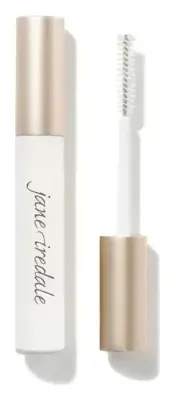
Jane Iredale PureLash Lash Extender & Conditioner
scent-free label
AmazonBrand lists it for sensitive skin
Dermalogica biolumin-c vitamin c eye serum
Vitamin C complex, Arjun tree extract, chia seed oil, Tremella mushroom, micro-algae and Poria mushroom · oily, dry, combination, sensitive, normal skin · scented
Amazon

All 6 products with Oleic Acid
Premium Double-Cleansing Balms & Melting Gels (2)
Eye Creams & Under-Eye Patches (1)
Hydrating Serums, Essences & Ampoules (1)

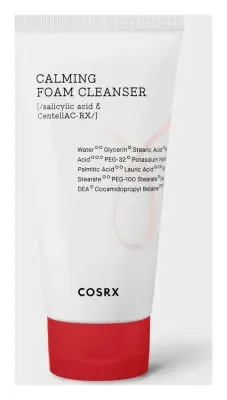
Dermatological Acne & Chemical Exfoliating Liquids (1)

Eye Shadows, Liners, Mascara & Brow Makeup (1)
Common questions
What is oleic acid in skincare?
Oleic acid is a monounsaturated fatty acid found in many plant and animal fats. In cosmetics it can act as an emollient or be part of oils and other ingredients.
Is oleic acid good for dry skin?
It can contribute to a soft, emollient feel in a moisturizer or oil. Whether a finished product suits dry skin depends on its entire formula and your preferences.
Does oleic acid clog pores?
Comedogenic ratings are not reliable predictors for every person or formula. A single fatty acid cannot tell you whether a product will cause congestion for you.
Is oleic acid the same as olive oil?
No. Oleic acid is one fatty acid that makes up part of olive oil, which is a mixture of many triglycerides and other components. Olive oil is typically rich in oleic acid, but the two ingredient names are not interchangeable.