Pantolactone
What pantolactone does in skincare, how it relates to vitamin B5 chemistry, and why its role is usually a supporting one.
Extremely safeIn 7 products we cover
We may earn a commission when you buy through links on this page. It never changes what we recommend.
Quick facts
- INCI name
- Pantolactone
- CAS number
- 599-04-2
- Origin
- Synthetic
- Chemical class
- Lactone
- What it does in a formula
- skin conditioning, humectant
- Why it is in the formula
- Included as a conditioning ingredient in some cosmetic formulas, often alongside related B5 compounds.
What it is
Although closely related to vitamin B5 (pantothenic acid), pantolactone is a cyclic ester (lactone) that is chemically distinct from panthenol. Cosmetic chemists formulate it as a skin-conditioning agent, often pairing it with humectants or other B-vitamin derivatives. The similar names can cause confusion, but pantolactone fulfills its own specific conditioning role in skincare.
Its presence on a label does not mean that a product delivers a particular vitamin treatment. The concentration and role in the finished formula are not shown, and the ingredient is usually a supporting part of a larger blend. You may find it in moisturizers, serums, or other products formulated for a comfortable skin feel.
What it does
- Conditions skin. It may contribute to a smooth or comfortable feel.
- Supports hydration. In a formula, it may play a humectant-like supporting role.
- Complements other ingredients. It can sit alongside panthenol or other moisturizing components without being identical to them.
- Stays in the background. It is not usually a reason on its own to choose a product.
Who it suits
Pantolactone is a small supporting ingredient rather than a strong active that needs to be introduced slowly. If you are comparing moisturizers, consider texture, fragrance, and the full ingredient list instead of treating pantolactone as a guarantee of hydration. A product may suit you because the whole formula works for your preferences.
Any formula can cause discomfort for some people. If your skin is sensitive, patch-test a new product and stop using it if irritation persists. If you are dealing with a chronic skin concern, ask a dermatologist for guidance instead of expecting a single cosmetic ingredient to address it.
What to pair it with, and what not to
Pantolactone does not need a special pairing. It may appear alongside humectants such as glycerin or hyaluronic acid in a hydrating formula. There is no need to layer multiple B5-related products simply because this name appears on the label.
Skin Realist check: A supporting ingredient can be useful without needing a whole vitamin origin story.
Quick picks with Pantolactone
Scent-free, no patch-test flags on the label
Dermalogica age reversal eye complex
Microencapsulated retinol, niacinamide, ash tree bark extract, vitamin C and peptides · oily, dry, combination, sensitive, normal skin · scent-free label
AmazonBrand lists it for sensitive skin
Dermalogica biolumin-c vitamin c eye serum
Vitamin C complex, Arjun tree extract, chia seed oil, Tremella mushroom, micro-algae and Poria mushroom · oily, dry, combination, sensitive, normal skin · scented
Amazon


All 7 products with Pantolactone
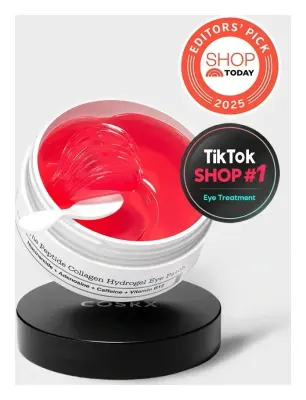
Eye Creams & Under-Eye Patches (4)

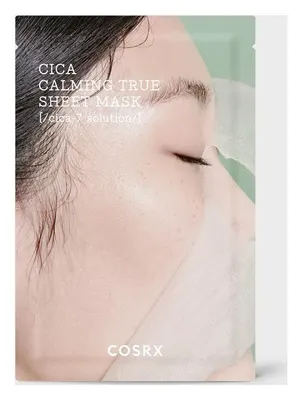
Sheet, Hydrogel & Clay Masks (1)
Hydrating Serums, Essences & Ampoules (1)

Daily Moisturizers & Water Gel Creams (1)

Common questions
What is pantolactone in skincare?
Pantolactone is a lactone related to the chemistry of pantothenic acid, also known as vitamin B5. In cosmetics it is used as a supporting skin-conditioning ingredient.
Is pantolactone the same as panthenol?
No. Pantolactone and panthenol are different ingredients, although they are related in vitamin B5 chemistry. Do not assume they have identical roles in a formula.
Does pantolactone hydrate skin?
It may contribute to conditioning or humectant effects in a finished formula. The product's overall blend matters more than this ingredient alone.
Is pantolactone an active ingredient?
It is not typically a headline active. You are more likely to encounter it as a minor supporting ingredient in a moisturizer or serum.