PEG-120 Methyl Glucose Dioleate
A PEG-modified thickener and emulsifier that gives cleansers a richer texture and helps formulas stay consistent.
Extremely safeIn 6 products we cover
We may earn a commission when you buy through links on this page. It never changes what we recommend.
Quick facts
- INCI name
- PEG-120 Methyl Glucose Dioleate
- Origin
- Plant-derived or Synthetic
- Chemical class
- Ethoxylated glucose fatty-acid ester
- What it does in a formula
- viscosity controlling, emulsifying, surfactant
- Why it is in the formula
- It thickens and stabilizes cleansers and other water-based formulas while improving their texture.
What it is
Engineered primarily to control viscosity and emulsion stability in cleansers and lotions, PEG-120 methyl glucose dioleate is an ethoxylated ingredient combining methyl-glucose with fatty acids. While the starting sugar fraction often originates from plant crops, the finished cosmetic material requires synthetic chemical ethoxylation. It serves as a practical thickening and stabilizing agent.
You may see it in shampoos, facial cleansers, and other water-based products. It can help thicken a cleanser or support an emulsion, so a formula feels more substantial and stays evenly mixed. Like other PEG-type ingredients, it is ethoxylated. Trace 1,4-dioxane can be a byproduct of certain manufacturing processes, but it is not intentionally added as a cosmetic ingredient. Manufacturers can control impurities through processing and quality checks.
What it does
- Thickens a formula. It helps give cleansers and gels a more substantial, controlled consistency.
- Supports emulsions. It can help keep water- and oil-based materials blended in a formula.
- Improves product feel. A thicker wash may be easier to dispense and distribute than a thin liquid.
- Helps a formula stay consistent. It supports product structure rather than directly treating skin.
Who it suits
This ingredient is usually a supporting part of a cleanser or moisturizer. Its presence does not reveal how strong or gentle the finished product will feel; the full surfactant blend, pH, and use pattern matter. If you are sensitive to a product, consider all of its ingredients and how often you use it rather than singling out a PEG name without other evidence.
Some shoppers avoid PEG ingredients because of concern about 1,4-dioxane. The distinction is useful: 1,4-dioxane can be a manufacturing impurity, not an intended ingredient, and reputable production processes control residual amounts. The presence of a PEG name does not tell you the level of any impurity in a finished product. If you have a recurring reaction or a skin condition, ask a dermatologist for advice.
What to pair it with, and what not to
There is nothing to pair with PEG-120 methyl glucose dioleate; it is already part of the product’s structure. Use the finished cleanser or moisturizer according to its directions. Choose a formula for its complete ingredient blend and the way it leaves your skin feeling.
Skin Realist check: A complicated name can still have a modest job. The label is not asking you to solve a chemistry exam before washing your face.
Quick picks with PEG-120 Methyl Glucose Dioleate
Brand lists it for sensitive skin
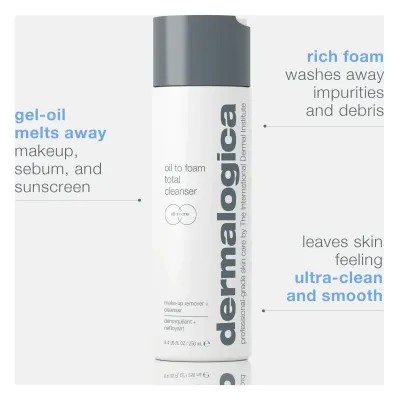
Dermalogica oil to foam total cleanser
Sea buckthorn oil and plant-derived prebiotic · oily, dry, combination, sensitive, normal skin · scented
AmazonBrand lists it for oily skin
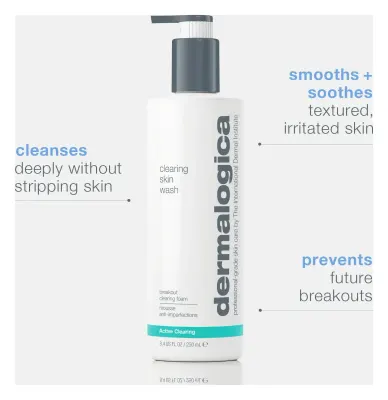
Dermalogica acne clearing skin wash
Salicylic acid, niacinamide, menthol, camphor, and eucalyptus extract · normal, combination, oily skin · scent-free label
AmazonBrand lists it for dry skin
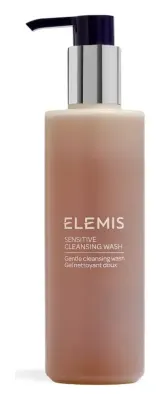
Elemis Sensitive Cleansing Wash
Chamomile, thyme, and lady's mantle · dry, sensitive skin · scented
Amazon
All 6 products with PEG-120 Methyl Glucose Dioleate
Gel, Foam & Cream Facial Cleansers (3)
Physical & Enzyme Face Exfoliants (1)
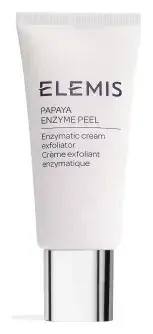
Premium Double-Cleansing Balms & Melting Gels (1)
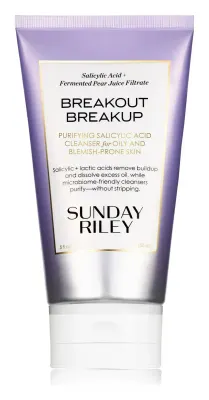
Body Creams, Butters & Body Oils (1)
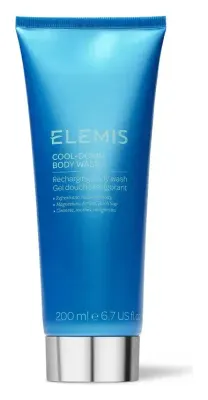
Common questions
What does PEG-120 methyl glucose dioleate do?
It helps thicken and stabilize a formula, especially cleansers, and may contribute emulsifying or surfactant properties. The result can be a richer, more controlled texture.
Is PEG-120 methyl glucose dioleate made from sugar?
Its name refers to a methyl glucose component, often derived from glucose, combined with fatty-acid material and ethoxylation. The finished ingredient is manufactured and processed.
Can PEG ingredients contain 1,4-dioxane?
1,4-dioxane is a possible trace manufacturing byproduct in some PEG-containing ingredients, not an ingredient intentionally added to a cosmetic. Reputable manufacturers can use processing and quality controls to reduce residual impurities.
Is PEG-120 methyl glucose dioleate bad for skin?
It is used as a formula helper rather than a treatment active. A product's overall formula matters more than this ingredient name alone, though anyone can have an individual sensitivity.