PEG-40 Hydrogenated Castor Oil
What PEG-40 hydrogenated castor oil does as a solubilizer, what ethoxylation means, and the facts behind 1,4-dioxane questions.
Extremely safeIn 10 products we cover
We may earn a commission when you buy through links on this page. It never changes what we recommend.
Quick facts
- INCI name
- PEG-40 Hydrogenated Castor Oil
- Origin
- Plant-derived or Synthetic
- Chemical class
- Ethoxylated castor-oil derivative (nonionic surfactant)
- What it does in a formula
- surfactant, emulsifying, solubilizing
- Why it is in the formula
- It helps disperse oil-soluble ingredients in water-based products and can support a smooth, stable texture.
What it is
Acting as a nonionic surfactant and solubilizer in water-based formulas, PEG-40 hydrogenated castor oil enables formulators to disperse fragrances and oils evenly into cleansers and toners. It is manufactured by ethoxylating hydrogenated castor oil, with the number 40 denoting average ethylene oxide units rather than a concentration. Unlike pure plant oils, this processed ingredient is designed specifically to bridge oil and water.
What it does
- Solubilizes oils. It helps small amounts of oil-soluble materials disperse through water-based products.
- Supports a uniform formula. Its surfactant properties can help a product stay blended and feel consistent.
- Contributes to product texture. It is one of several possible helpers in a formula, not a reason to buy a product on its own.
Who it suits
The ingredient is used as part of a finished cosmetic formula, often to make oil and water-compatible components work together. The label does not tell you the concentration, the exact raw material source, or every manufacturing detail. Most shoppers can assess the finished product by its intended use and their own preferences. If you have a known sensitivity, check the complete ingredient list and stop using a product that causes persistent irritation.
Ethoxylated ingredients can have 1,4-dioxane as an unintended manufacturing impurity. It is not the job of PEG-40 hydrogenated castor oil and is not inevitable in every product; purification can reduce it, and reputable manufacturers control manufacturing impurities. This is a quality-control topic rather than a reason to assume that any product listing a PEG ingredient is contaminated. Do not confuse the finished ingredient with raw castor oil, either: chemical processing changes its properties.
What to pair it with, and what not to
There is nothing special to pair with PEG-40 hydrogenated castor oil. It is usually already combined with water, oils, and other surfactants or stabilizers by the formulator. Use the finished product as directed instead of trying to blend raw oils into it yourself.
Skin Realist check: A formula that stays blended is doing useful work. You do not have to learn every ingredient's manufacturing backstory to use a moisturizer.
Quick picks with PEG-40 Hydrogenated Castor Oil
Scent-free, no patch-test flags on the label
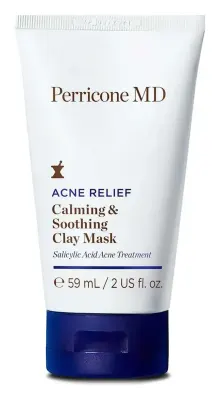
Perricone MD Acne Relief Calming & Soothing Clay Mask
Salicylic Acid 2% · scent-free label
AmazonBrand lists it for sensitive skin
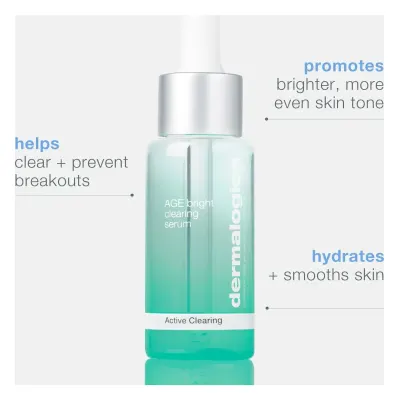
Dermalogica age bright clearing serum
Salicylic acid 2.0%, niacinamide, white shiitake mushroom and Resurrection Plant phytoactives · oily, dry, combination, sensitive, normal skin · scented
AmazonBrand lists it for oily skin
Dermalogica biolumin-c vitamin c gel moisturizer
Vitamin C complex, squalane, five types of hyaluronic acid, Verbascum thapsus flower extract, phytic acid and pumpkin enzymes · oily, dry, combination, sensitive, normal skin · scented
Amazon

All 10 products with PEG-40 Hydrogenated Castor Oil
Daily Moisturizers & Water Gel Creams (2)
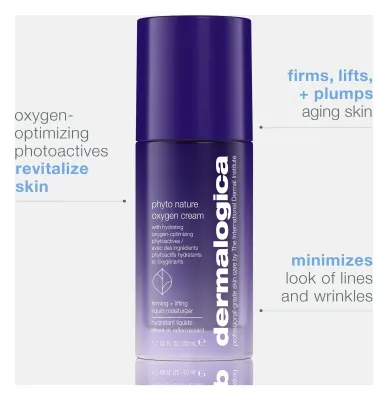
Anti-Aging & Retinoid Serums (2)

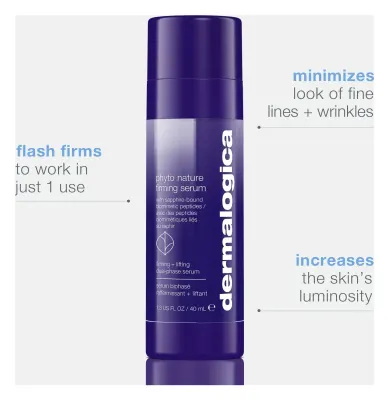
Sheet, Hydrogel & Clay Masks (1)
Dermatological Acne & Chemical Exfoliating Liquids (1)
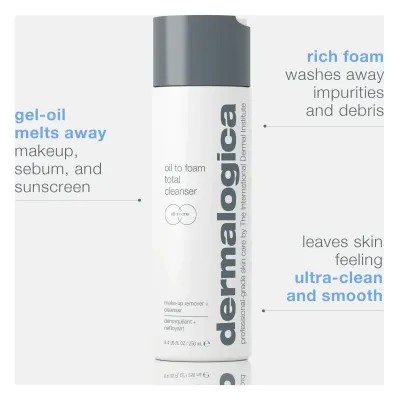
Gel, Foam & Cream Facial Cleansers (1)
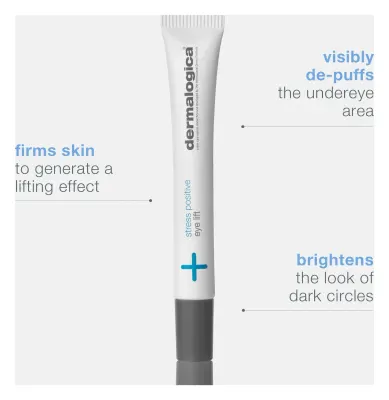
Eye Creams & Under-Eye Patches (1)
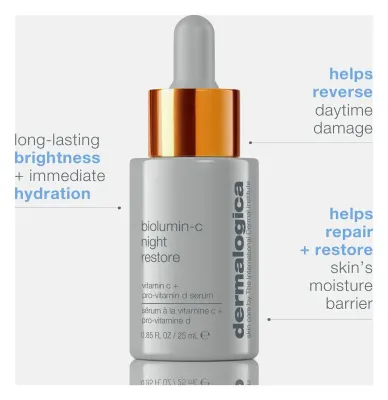
Targeted Vitamin C & Brightening Correctors (1)
Body Creams, Butters & Body Oils (1)
Common questions
What does PEG-40 hydrogenated castor oil do?
It is a nonionic surfactant and solubilizer that helps oils or fragrance materials disperse in water-based formulas. It can also help keep a product's texture uniform.
What does PEG mean in PEG-40?
PEG refers to polyethylene glycol. The number in a PEG ingredient name relates to its average ethoxylation level, not a percentage of the finished cosmetic. The ingredient is made through a controlled manufacturing process.
Can PEG ingredients contain 1,4-dioxane?
1,4-dioxane can form as an unintended manufacturing impurity during ethoxylation, but it can be reduced through purification. Its possibility does not mean every PEG-containing product has a meaningful amount, and reputable manufacturers control impurities. New York State also sets limits for 1,4-dioxane in cosmetics; the FDA notes that it does not set a specific maximum level.
Is PEG-40 hydrogenated castor oil made from castor oil?
The starting oil can be castor-derived and hydrogenated, then modified through ethoxylation. Because it is processed, the final cosmetic ingredient is not simply the same thing as raw castor oil.