Polyglyceryl-10 Stearate
What polyglyceryl-10 stearate does as an emulsifier, how it keeps cream texture consistent, and why it is not a skin-care active.
Extremely safeIn 9 products we cover
We may earn a commission when you buy through links on this page. It never changes what we recommend.
Quick facts
- INCI name
- Polyglyceryl-10 Stearate
- Origin
- Plant-derived or Synthetic
- Chemical class
- Nonionic emulsifier (polyglycerol ester)
- What it does in a formula
- emulsifying, surfactant, skin conditioning
- Why it is in the formula
- Polyglyceryl-10 stearate helps water and oil blend into a stable cream or lotion.
What it is
Engineered to keep oil and water phases uniformly blended in creams and lotions, polyglyceryl-10 stearate is a nonionic emulsifier combining polyglycerol with stearic acid. Its amphiphilic structure features both water-compatible and oil-attracting segments. Because raw material sourcing differs among manufacturers, the label does not reveal whether the fatty acids came from plants or synthetic routes.
The number in the name relates to the polyglycerol portion and is not a concentration. This ingredient is not a PEG and should not be confused with a polyethylene glycol. It is a helper ingredient, not a treatment active. Formulators use emulsifiers such as this one to build a stable texture that does not separate during ordinary storage and use.
What it does
- Emulsifies. It helps water and oils blend into a uniform cream or lotion.
- Supports stability. A well-designed emulsifier system can reduce separation and help the formula stay consistent.
- Influences feel. It can contribute to how smooth or rich a product feels, alongside oils, waxes and thickeners.
- Works in a system. One emulsifier rarely determines the full texture or stability of a finished product.
Who it suits
Polyglyceryl-10 stearate is not aimed at a particular skin type. It can appear in moisturizers for dry, oily or combination skin, depending on the rest of the formula. If you are worried about clogged pores, ingredient-by-ingredient comedogenic ratings are not reliable predictors; the overall product and your experience are more useful. People with sensitive skin can patch-test a new formula and consider fragrance, preservatives and other ingredients too. Stop using a product that causes persistent discomfort.
What to pair it with, and what not to
Nothing needs to be paired with polyglyceryl-10 stearate. It is an emulsifier already balanced with the water and oil phases of a finished formula. Apply your moisturizer as directed rather than trying to modify its emulsion yourself.
Skin Realist check: When the moisturizer stays blended and spreads evenly, the emulsion glue has earned its unglamorous name.
Quick picks with Polyglyceryl-10 Stearate
Scent-free, no patch-test flags on the label
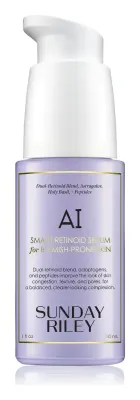
Sunday Riley A.I. Smart Retinoid Serum
Hydroxypinacolone Retinoate · scent-free label
AmazonBrand lists it for sensitive skin
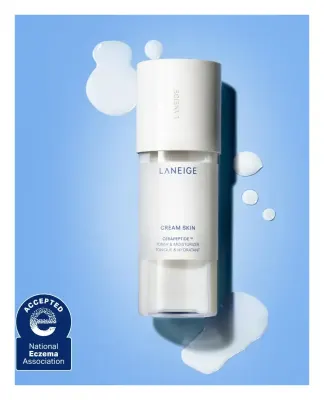
Laneige Cream Skin Milky Toner with Ceramides & Peptides for Nourishing Hydration
Ceramide and peptide complex; White Leaf Tea · oily, dry, combination, sensitive, normal skin · scent-free label
AmazonBrand lists it for oily skin
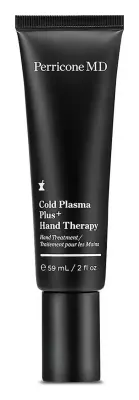
Perricone MD Cold Plasma Plus+ Hand Therapy
Shea butter, phospholipids and glycine · oily, dry, combination, sensitive, normal skin · scent-free label
Amazon
All 9 products with Polyglyceryl-10 Stearate
Anti-Aging & Retinoid Serums (4)



Daily Moisturizers & Water Gel Creams (2)

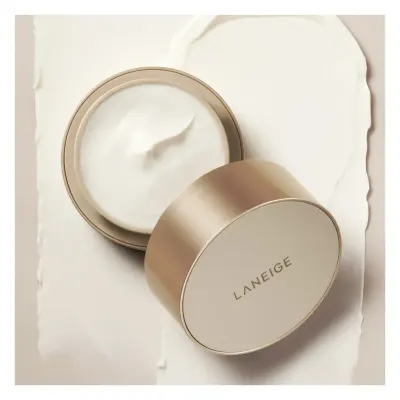
Hydrating Toners, Essence Waters & Face Mists (1)
Body Creams, Butters & Body Oils (1)
Sheet, Hydrogel & Clay Masks (1)
Common questions
What does polyglyceryl-10 stearate do?
It is an emulsifier that helps oils and water combine into a consistent cream or lotion. It may also affect the product's texture.
Is polyglyceryl-10 stearate a PEG?
No. It is a polyglycerol ester, not a polyethylene glycol ingredient. Similar numbers in ingredient names do not mean the materials are the same.
Is polyglyceryl-10 stearate plant-derived?
Its fatty stearate component may come from plant oils, but sourcing and manufacturing can vary. The label does not identify the source.
Can polyglyceryl-10 stearate clog pores?
A single ingredient cannot predict whether a finished product will clog pores for you. Comedogenic ratings are unreliable, and the overall formula and your own response matter.