Polyquaternium-80
What Polyquaternium-80 does as a conditioning polymer, how it affects slip and film, and what its name means.
Extremely safeIn 6 products we cover
We may earn a commission when you buy through links on this page. It never changes what we recommend.
Quick facts
- INCI name
- Polyquaternium-80
- Origin
- Synthetic
- Chemical class
- Cationic polymer
- What it does in a formula
- film forming, antistatic, skin conditioning
- Why it is in the formula
- Usually added to form a light conditioning film or improve slip and texture.
What it is
Carrying positive electrical charges along its synthetic backbone, Polyquaternium-80 is a cationic polymer engineered to condition, enhance slip, and deposit a light protective film. It belongs to the broader polyquaternium ingredient family used across hair and skin products. The number 80 serves purely as an INCI registry designation rather than a concentration measurement.
This is a formulation helper rather than a botanical extract or a classic moisturizing oil. It may be used to change the feel of a serum, lotion, or other product. Being a polymer does not automatically make it a plastic particle. The exact form and behavior of a polymer depend on its structure and how it is used in the formula.
What it does
- Adds slip. It can help a product spread smoothly across skin.
- Forms a conditioning film. A light film can change the after-feel of the product.
- Supports texture. It may help create a more polished or consistent feel.
Who it suits
You may find Polyquaternium-80 in products where a smooth, conditioned finish is useful. Its presence alone does not predict whether a formula will feel heavy or light. If you prefer products with fewer film-forming ingredients, review the full label and choose based on the texture you like.
There is no dependable ingredient-only comedogenicity rating for this polymer. Reactions depend on the finished formula and the person using it. If you have sensitive skin or a known concern, patch-test a new product and stop if persistent irritation develops. Ask a dermatologist about recurring reactions.
What to pair it with, and what not to
Polyquaternium-80 does not need a companion active. It can be formulated with humectants such as glycerin or emollients that balance its finish. Let the product texture guide how it fits with the rest of your routine.
Skin Realist check: A polymer can be doing its job without turning your skincare into a chemistry exam. Slip is a perfectly ordinary reason to be there.
Quick picks with Polyquaternium-80
Brand lists it for sensitive skin
Dermalogica powerbright dark spot peel
Glycolic acid, mandelic acid, niacinamide, tranexamic acid, omega-3 algae blend and turmeric butter blend · oily, dry, combination, sensitive, normal skin · scented
AmazonFeatured in our guides
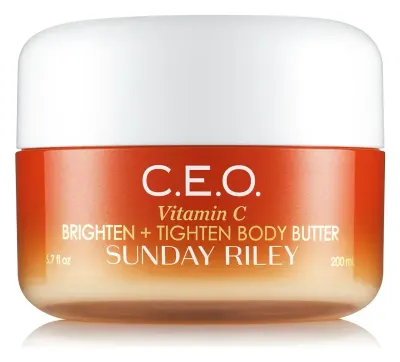
Sunday Riley C.E.O. Body Butter
Vitamin C (THD Ascorbate) · scented
Amazon

All 6 products with Polyquaternium-80
Body Creams, Butters & Body Oils (1)
Eye Creams & Under-Eye Patches (1)
Hydrating Toners, Essence Waters & Face Mists (1)
Targeted Vitamin C & Brightening Correctors (1)
Daily Moisturizers & Water Gel Creams (1)

Premium Double-Cleansing Balms & Melting Gels (1)
Common questions
What is Polyquaternium-80?
It is a synthetic cationic polymer, meaning it carries positive charges along its chain. Cosmetic polyquaterniums are used to condition or form a light film.
What does Polyquaternium-80 do in skin care?
It can improve slip and leave a conditioning film that affects how a product feels. The exact role depends on the formula and product type.
Is Polyquaternium-80 a microplastic?
It is a polymer, but the term microplastic usually refers to small solid plastic particles and definitions vary by context. A polymer dissolved or dispersed in a formula is not automatically the same thing as plastic microbeads.
Does Polyquaternium-80 clog pores?
There is no reliable ingredient-only comedogenicity score that predicts how a finished formula will work for you. Consider the complete product and your own response.