Potassium Hydroxide
Why potassium hydroxide can appear in skincare despite its lye reputation, and how a pH adjuster behaves in a finished formula.
Extremely safeIn 13 products we cover
We may earn a commission when you buy through links on this page. It never changes what we recommend.
Quick facts
- INCI name
- Potassium Hydroxide
- CAS number
- 1310-58-3
- Origin
- Synthetic or Mineral
- Chemical class
- Alkali (inorganic base)
- What it does in a formula
- buffering, pH adjusting, saponifying
- Why it is in the formula
- Adjusts a product's pH or reacts with fatty acids during manufacture to help create a cleanser.
What it is
Used in cosmetic manufacturing to regulate pH and saponify oils during soap-making, potassium hydroxide is an inorganic alkaline base also known as caustic potash or lye. While raw potassium hydroxide is caustic, formulators use it in tightly controlled amounts to neutralize acidic components. Once reacted in the formula, it helps achieve a stable, properly balanced finished product.
When it neutralizes an acid or reacts with fatty acids, the finished mixture has different properties from the starting material. The precise outcome depends on the formula and manufacturing process. Ingredient lists include materials used to make the product, but they do not show the recipe or the chemical state of every ingredient after formulation.
What it does
- Adjusts pH. A small amount can help bring a formula to its target acidity or alkalinity.
- Neutralizes acids. It may balance acidic ingredients in a finished formula.
- Helps make soap. During soap-making, it reacts with fats to produce potassium salts of fatty acids.
- Supports the final product. The product’s pH and structure depend on the full formulation, not this ingredient in isolation.
Who it suits
Do not judge a finished cosmetic as though it contained raw potassium hydroxide at full strength. Formulation is the difference between a caustic starting material and a properly made cleanser or cream. This ingredient is not a reason by itself to avoid a product. The intended use and how your skin responds are more useful guides.
If you have very sensitive skin, introduce one new product at a time and follow the package instructions. A high-pH cleanser can feel drying for some people, but its pH cannot be deduced from the ingredient list alone. Stop using a product that causes burning or ongoing irritation. Seek medical advice for a significant reaction, and ask a dermatologist about persistent skin concerns.
What to pair it with, and what not to
Potassium hydroxide is part of the product’s pH or soap-making system, so you do not need to pair it with an acid in your routine. Do not try to neutralize a cosmetic on your skin with another ingredient. Rinse products as directed and choose a moisturizer if your skin feels dry afterward.
Skin Realist check: The label lists ingredients used in a recipe, not a jar of raw materials before they met.
Quick picks with Potassium Hydroxide
Scent-free, no patch-test flags on the label
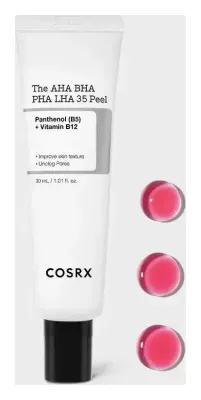
COSRX The AHA BHA PHA LHA 35 Peel
AHA + BHA + PHA + LHA 35% · scent-free label
AmazonBrand lists it for sensitive skin
Dermalogica multivitamin power recovery masque
Vitamins A, C, and E; linoleic acid; algae extract; pro-vitamin B5 · dry, combination, normal, oily, sensitive skin · scented
AmazonBrand lists it for oily skin
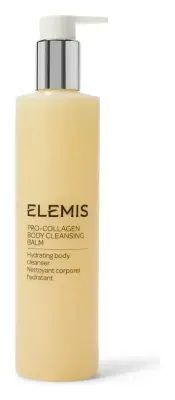
Elemis Pro-Collagen Body Cleansing Balm
Collagen amino acids, Padina pavonica, borago seed oil, camelina seed oil, echium seed oil · combination, dry, normal, oily skin · scented
Amazon

All 13 products with Potassium Hydroxide
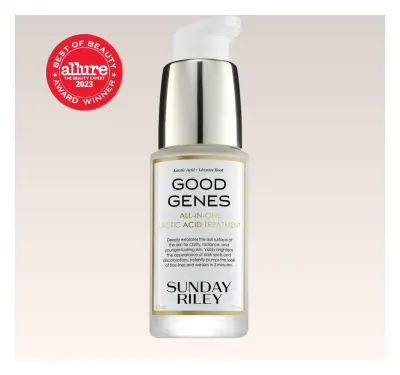
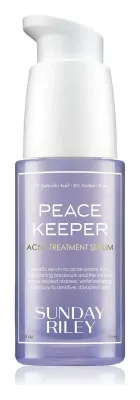
Dermatological Acne & Chemical Exfoliating Liquids (3)
Premium Double-Cleansing Balms & Melting Gels (3)
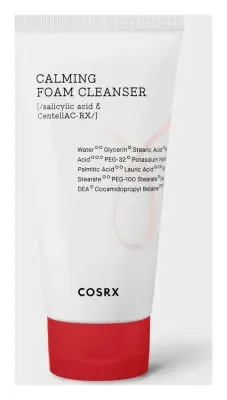
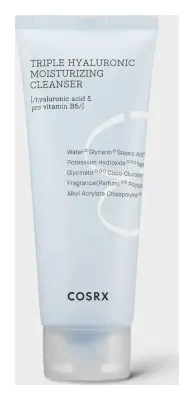
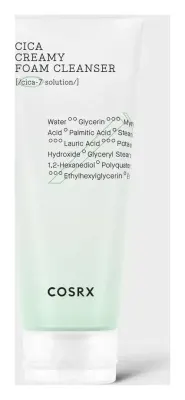
Gel, Foam & Cream Facial Cleansers (3)
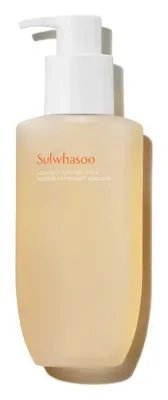
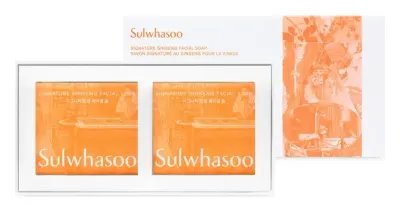

Body Creams, Butters & Body Oils (2)
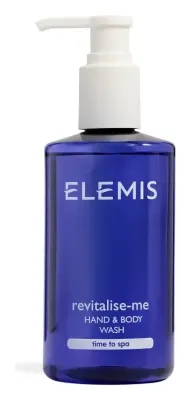
Hydrating Toners, Essence Waters & Face Mists (1)
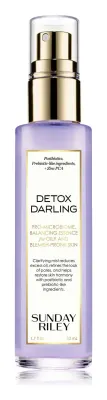
Cream & Gel Treatment Masks (1)
Common questions
Why is potassium hydroxide in skincare?
It is used to adjust pH or react with fatty acids during soap-making. In a finished product, it has a formulation role rather than being applied as raw lye.
Is potassium hydroxide in skincare caustic?
Concentrated potassium hydroxide is caustic, but its presence on a cosmetic label does not mean the finished product contains a caustic amount. It is used in controlled formulation to make a product with its intended properties.
Is potassium hydroxide the same as lye?
Potassium hydroxide is one chemical commonly called lye. The raw chemical is very different from a finished, properly formulated cosmetic that lists it as an ingredient.
Can potassium hydroxide irritate skin?
Raw concentrated material can cause serious irritation, but that is not the same as the finished cosmetic. If a product causes persistent discomfort, stop using it and review the full formula.