Potassium Phosphate
Why potassium phosphate may appear in skincare, how phosphate salts help buffer pH, and what its label means.
Extremely safeIn 5 products we cover
We may earn a commission when you buy through links on this page. It never changes what we recommend.
Quick facts
- INCI name
- Potassium Phosphate
- Origin
- Mineral or Synthetic
- Chemical class
- Inorganic phosphate salt
- What it does in a formula
- buffering, chelating, skin conditioning
- Why it is in the formula
- Helps maintain a suitable pH or support the stability of a water-based formula.
What it is
On cosmetic ingredient decks, potassium phosphate refers to inorganic buffering salts composed of potassium and phosphate ions. The designation can encompass varying ratios of potassium and hydrogen phosphate rather than one single fixed stoichiometry. Formulators select these cosmetic-grade mineral salts specifically to regulate pH and stabilize water-based formulations.
In skincare, phosphate salts may be used in buffering systems to help keep pH within a desired range. They can also support product stability alongside other ingredients. The term does not mean the product contains a concentrated mineral supplement, and the ingredient list does not tell you the formula’s exact pH or amount used.
What it does
- Helps buffer pH. A phosphate system can resist shifts in acidity or alkalinity during storage and use.
- Supports formula stability. Keeping pH in a suitable range can help other components perform as intended.
- May bind some ions. Certain phosphate salts can interact with ions in a formula, depending on the complete system.
- Acts as a helper. It does not function as a stand-alone skin active or treatment.
Who it suits
Potassium phosphate is not usually a reason to choose a product for a particular skin type. It is typically included in a small functional role, and its presence does not reveal the finished product’s pH. If a product is too drying or irritating, the full formula and how you use it are more useful things to review than this ingredient alone.
If you have sensitive skin, test a new leave-on product on a small area and introduce one new formula at a time. Discontinue use if a product causes persistent discomfort. The name may refer broadly to a family of salts, so do not assume every label or formula is identical. Ask a dermatologist about recurring reactions or skin conditions.
What to pair it with, and what not to
Potassium phosphate is part of a product’s internal buffering system, so it does not need a separate ingredient paired on your face. Use the product as directed and do not try to adjust its pH at home. A basic moisturizer can follow a cleanser or serum if your skin feels dry.
Skin Realist check: A buffer is there to keep the formula in its lane. You do not have to manage the chemistry yourself.
Quick picks with Potassium Phosphate
Scent-free, no patch-test flags on the label
Perricone MD No Makeup Blush
Bellis perennis (daisy) flower extract, palmitoyl peptides, glycerin, and vitamin C ester · scent-free label
AmazonBrand lists it for dry skin
Dermalogica skin smoothing cream moisturizer
Active HydraMesh Technology, hyaluronic acid complex, mallow, cucumber, arnica, grape seed extract, vitamins C and E · normal, dry, combination skin · scented
AmazonFeatured in our guides
Sunday Riley A+ High-Dose Retinoid Serum
Retinol + Hydroxypinacolone Retinoate · scent-free label
Amazon
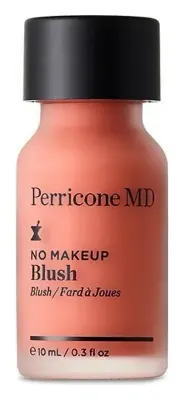


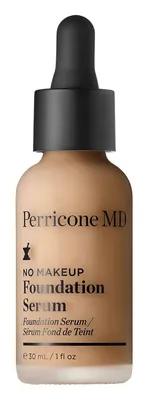
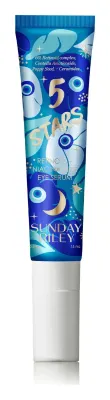
All 5 products with Potassium Phosphate
Anti-Aging & Retinoid Serums (1)
Full-Coverage Camouflage & Liquid Foundations (1)
Eye Creams & Under-Eye Patches (1)
Daily Moisturizers & Water Gel Creams (1)
Blush, Bronzers & Highlighters (1)
Common questions
What does potassium phosphate do in skincare?
Phosphate salts can help buffer a formula and maintain its pH. The exact function depends on which potassium phosphate salt and how it is used.
Is potassium phosphate a pH adjuster?
It may be part of a buffering system that resists pH changes. A product can use multiple ingredients to reach and maintain its intended pH.
Is potassium phosphate a natural ingredient?
Phosphate minerals occur naturally, and cosmetic-grade salts are manufactured or purified. The broad label does not identify the exact source.
Should I avoid potassium phosphate?
Most people can judge a product by its complete formula rather than this helper ingredient alone. If a product causes irritation, stop and consider the whole ingredient list.