Propolis
What propolis does in skincare, who it suits, how to pair it, and what people with bee-product allergies should know.
Probably fineIn 7 products we cover
We may earn a commission when you buy through links on this page. It never changes what we recommend.
What it is
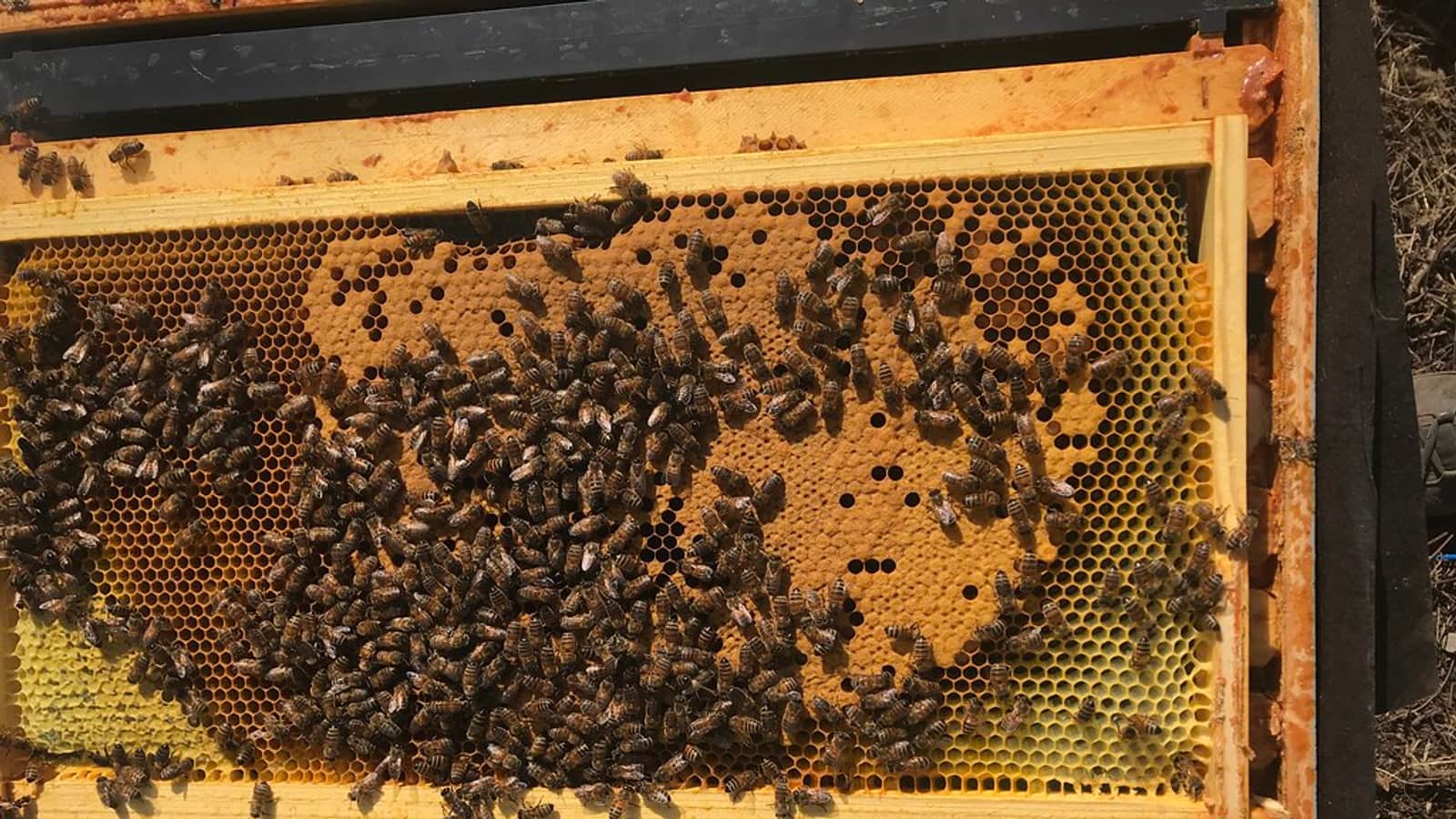
Propolis is a resinous material that honeybees make using substances collected from plants. Bees use it in the hive, and cosmetic makers use processed propolis in some skincare formulas. It is bee-derived, so it is not vegan. You may see it in a serum, essence, mask or moisturizer, either as a featured ingredient or alongside other extracts.
The composition of propolis can vary with its plant sources and processing. The amount and type of extract vary a lot between products, so effects vary too. A label may identify propolis as an extract, but that does not tell you every detail about its composition or concentration. Products with propolis can also contain other ingredients that have a larger effect on texture and use.
What it does
- Conditions the skin. Propolis is used in cosmetics as a skin-conditioning ingredient.
- Is studied for its components. It contains plant-derived compounds that are researched for various properties, but evidence about a material does not guarantee a particular result from a finished skincare product.
- Makes a formula bee-derived. This matters if you avoid animal-derived cosmetics or have an allergy to bee products.
Who it suits
Propolis may appeal if you are interested in skin-conditioning products and do not avoid bee-derived ingredients. People allergic to bee products should be cautious and consult an allergy professional or dermatologist before trying a propolis product. Do not rely on a small patch test to rule out a serious allergy.
Anyone can react to a cosmetic ingredient, and propolis is not a must-have step. Check the full ingredient list for other potential concerns, including fragrance, and consider a product without propolis if you prefer to avoid it. Persistent or severe skin symptoms deserve professional advice rather than experimentation with cosmetics.
What to pair it with, and what not to
Propolis can be layered with a basic moisturizer or with familiar hydrators such as glycerin and hyaluronic acid. There is no special ingredient pairing that makes it necessary or changes its bee-derived status. If you have an allergy concern, do not try to balance it with another product; choose a routine that avoids the ingredient and ask a qualified professional.
Skin Realist check: A buzzy ingredient name does not mean you have to make room for it. Choose a formula for how it fits your routine, not for its backstory.
Quick picks with Propolis
Scent-free, no patch-test flags on the label
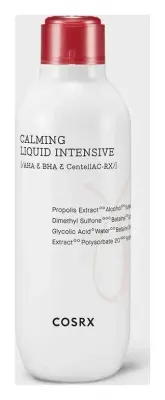
COSRX AC Collection Calming Liquid Intensive
AHA + BHA · scent-free label
Amazon
All 7 products with Propolis
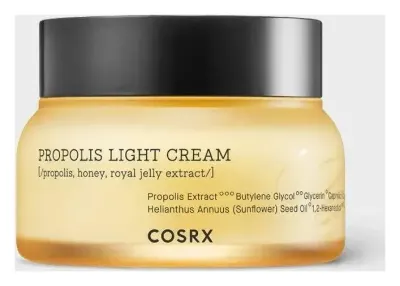
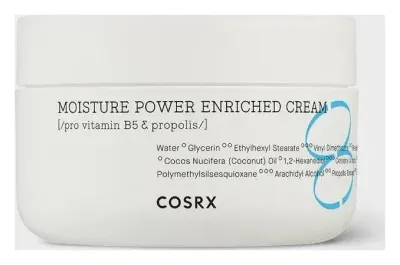
Daily Moisturizers & Water Gel Creams (3)
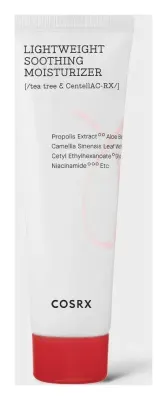
Dermatological Acne & Chemical Exfoliating Liquids (1)
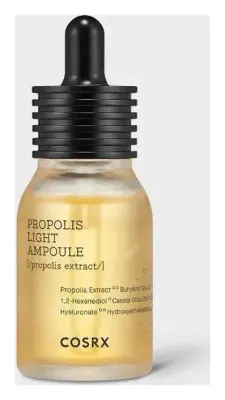
Hydrating Serums, Essences & Ampoules (1)
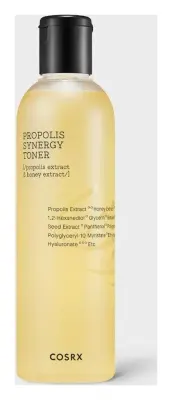
Hydrating Toners, Essence Waters & Face Mists (1)
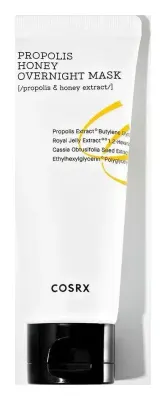
Premium Overnight Recovery Packs & Sleeping Facials (1)
Common questions
What is propolis in skincare?
Propolis is a resinous material made by honeybees from plant sources and used in the hive. In cosmetics, it is included as an ingredient in products such as serums and creams. It is bee-derived, not a plant extract by itself.
What does propolis do for skin?
Propolis is used as a skin-conditioning ingredient and is studied for properties related to its plant-derived compounds. A cosmetic product's effect depends on its extract, amount and complete formula. It should not be used to treat a skin condition.
Can people with bee allergies use propolis skincare?
People allergic to bee products should be cautious with propolis and ask an allergy professional or dermatologist before using it. Reactions can depend on the person and the product, so do not assume that a topical product is appropriate for you. Seek medical advice if you have a known allergy.
Is propolis vegan?
No, propolis is bee-derived, so it is not vegan. If you avoid animal-derived ingredients, check the full label and choose a product without propolis.