Propylene Carbonate
What propylene carbonate does in cosmetics, why formulators use it as a solvent, and what its label presence means for your routine.
Extremely safeIn 21 products we cover
We may earn a commission when you buy through links on this page. It never changes what we recommend.
Quick facts
- INCI name
- Propylene Carbonate
- CAS number
- 108-32-7
- Origin
- Synthetic
- Chemical class
- Cyclic carbonate solvent
- What it does in a formula
- solvent, viscosity controlling
- Why it is in the formula
- It helps dissolve or disperse other ingredients and tune the texture of a formula.
What it is
Despite soundalike chemical naming that causes confusion with propylene glycol, propylene carbonate is a synthetic cyclic carbonate liquid that performs a completely different job. Cosmetic chemists use it primarily as a specialized solvent to dissolve resistant ingredients and carry clays in waxy or anhydrous bases. The two ingredients differ fundamentally in chemical structure, safety profiles, and technical roles.
You are more likely to encounter propylene carbonate as one item in a complex formula than as a standalone skincare product. Its presence alone says little about the feel, purpose or performance of the finished cosmetic. The other ingredients, their amounts and the product format all contribute.
What it does
- Acts as a solvent. It helps keep selected ingredients dissolved or evenly dispersed.
- Supports a consistent formula. A suitable solvent can help a product maintain its intended texture and appearance.
- Works behind the scenes. It is a supporting formulation ingredient rather than an active you need to add separately.
Who it suits
There is no skin type that needs propylene carbonate as a separate step. It may be present in products for different skin types, and it does not identify whether a formula is moisturizing, oil-controlling or suitable for a specific concern. Read the product as a whole rather than treating one solvent as a verdict.
If a product is uncomfortable, stop using it and look at all of its ingredients. A reaction cannot be assigned to propylene carbonate just because it appears on the label. People with repeated reactions can ask a dermatologist about patch testing and how to identify the responsible ingredient. Do not confuse propylene carbonate with propylene glycol or assume they have identical properties.
What to pair it with, and what not to
There is no active it needs as a partner. It is incorporated into the formula to help other ingredients work together, so choose the product for its overall design and intended use. You do not need a separate solvent step in a routine.
Skin Realist check: Some ingredients are just the stage crew. The show still needs them.
Quick picks with Propylene Carbonate
Scent-free, no patch-test flags on the label
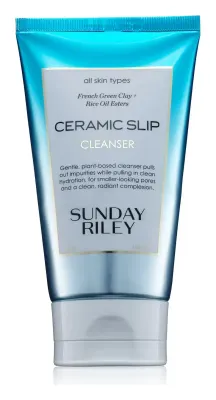
Sunday Riley Ceramic Slip Cleanser
scent-free label
AmazonBrand lists it for sensitive skin
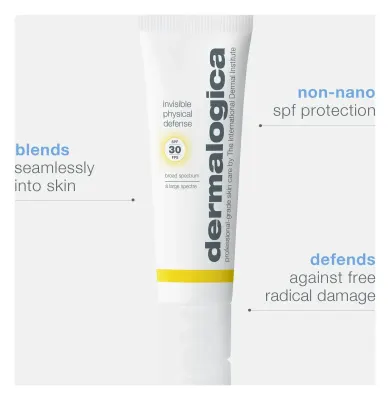
Dermalogica invisible physical defense mineral sunscreen spf30
Zinc oxide, Bio-Active Mushroom Complex, Green Tea, and Hyaluronic Acid · oily, dry, combination, sensitive, normal skin · scented
AmazonFeatured in our guides
Sunday Riley A+ High-Dose Retinoid Serum
Retinol + Hydroxypinacolone Retinoate · scent-free label
Amazon

All 21 products with Propylene Carbonate
High-Definition Camouflage Concealers (5)
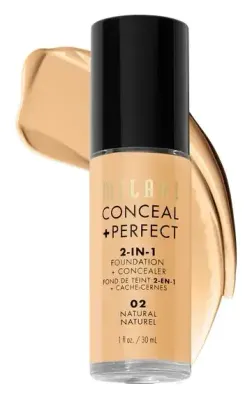 Milani Conceal + Perfect 2-In-1 Foundation + ConcealerAmazon
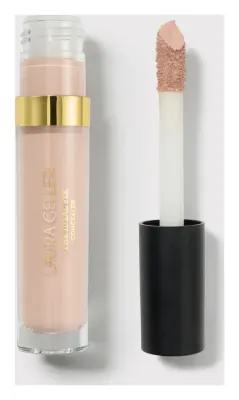 Laura Geller Ideal Fix ConcealerAmazon
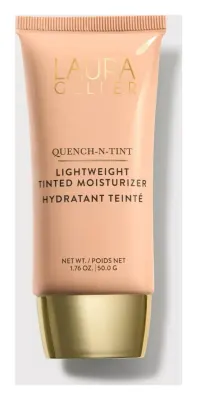
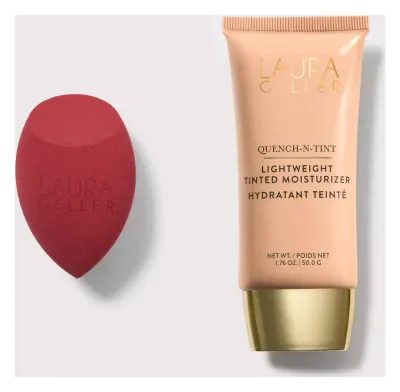 Laura Geller Quench-n-Tint Lightweight Tinted Moisturizer and SpongeAmazon
 tarte shape tape™ creamy concealerAmazon
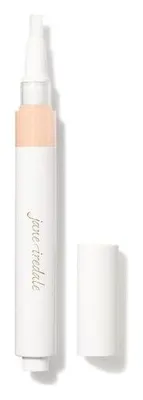 Jane Iredale Skintuition Brightening Under Eye Concealer with Active Peptide ComplexAmazon
Blush, Bronzers & Highlighters (5)
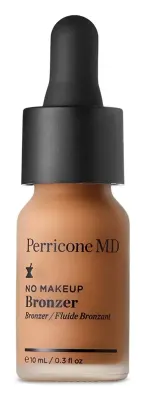
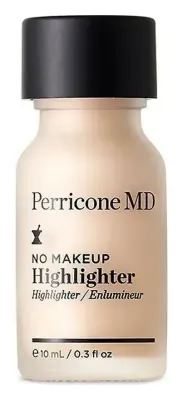
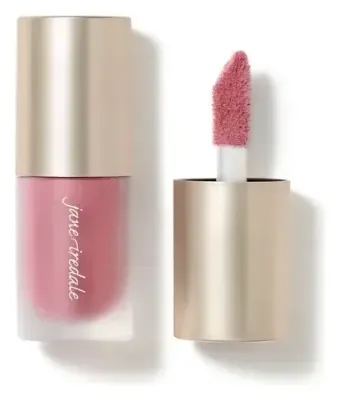
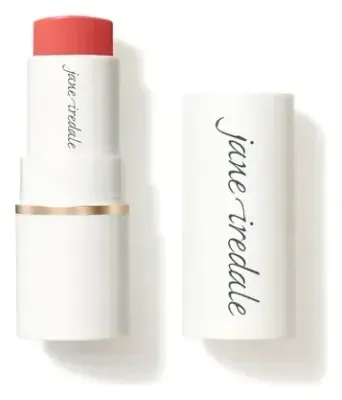
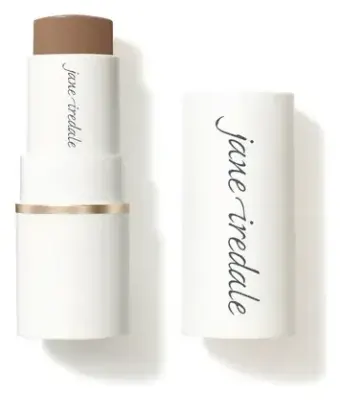
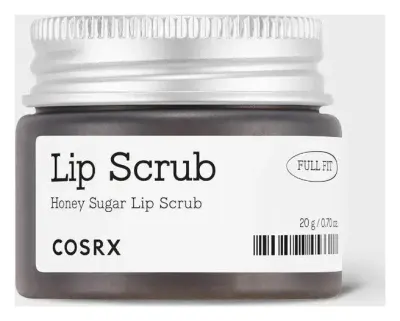
Intensive Lip Recovery Masks & Tinted Balms (2)
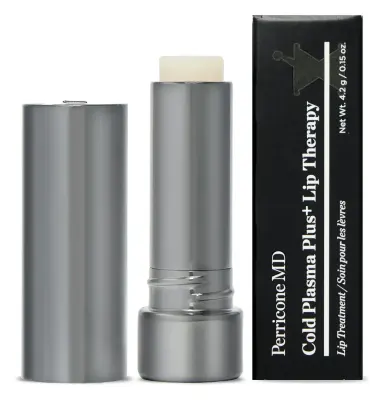
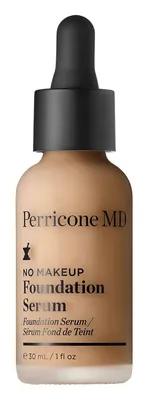
Full-Coverage Camouflage & Liquid Foundations (2)
Anti-Aging & Retinoid Serums (1)
Daily Sunscreens & SPF Moisturizers (1)
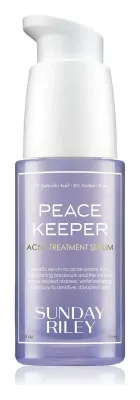
Dermatological Acne & Chemical Exfoliating Liquids (1)
Premium Double-Cleansing Balms & Melting Gels (1)
Mineral Pressed Powders & Skin-Nourishing Primers (1)

Lipsticks, Glosses & Lip Liners (1)
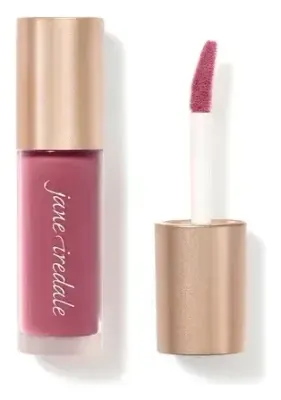
Eye Shadows, Liners, Mascara & Brow Makeup (1)
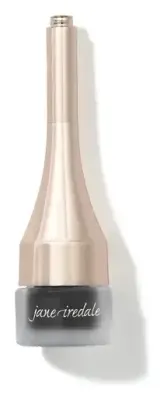
Common questions
What is propylene carbonate in skincare?
It is a synthetic solvent used to help dissolve or disperse other ingredients in a formula. It is a helper, not usually the headline skin-care active.
Is propylene carbonate the same as propylene glycol?
No. They have different chemical structures and are different ingredients. Similar names are not a reason to treat them as interchangeable.
Does propylene carbonate moisturize skin?
Its main cosmetic role is as a solvent and formula aid, not as a moisturizer. The product's other ingredients determine whether it feels hydrating or emollient.
Is propylene carbonate comedogenic?
A single comedogenic score cannot reliably predict how a finished product behaves on every person. Formula design, amount and your own skin all matter.