Propylene Glycol
What propylene glycol does as a humectant and solvent, why it is not a drying alcohol, and when patch testing makes sense.
Probably fineIn 21 products we cover
We may earn a commission when you buy through links on this page. It never changes what we recommend.
Quick facts
- INCI name
- Propylene Glycol
- CAS number
- 57-55-6
- Origin
- Synthetic
- Chemical class
- Glycol (diol)
- What it does in a formula
- humectant, solvent, viscosity controlling
- Why it is in the formula
- It attracts water and helps dissolve or distribute other ingredients.
What it is
Despite the word glycol, propylene glycol is not the same as toxic industrial ethylene glycol, nor is it a drying alcohol like alcohol denat.. It is a small, water-attracting diol that serves cosmetics as an effective humectant and solvent. Formulators add it to cleansers, moisturizers, and serums to retain moisture and ensure ingredients disperse smoothly throughout a product.
The word alcohol describes a broad chemical family. Different alcohols have different structures and uses, so it is not useful to treat them as one interchangeable category. Propylene glycol is a glycol, or diol, with two hydroxyl groups. In skincare, its jobs are generally practical: holding water, dissolving ingredients, and influencing how a product spreads.
What it does
- Attracts water. As a humectant, it can help draw and hold water in a formula and on the skin’s surface.
- Dissolves ingredients. Its solvent role can help distribute ingredients that do not dissolve well in water alone.
- Adjusts feel. It may affect a product’s spread, viscosity, or finish.
Who it suits
Propylene glycol is common in personal care products and many people use it without difficulty. Still, it is a documented irritant and contact allergen for a minority of people. If you have a known reaction to it, or notice a repeat pattern when using products containing it, look for a different formula and consider patch testing. A dermatologist can help identify a suspected contact allergy.
A label cannot reveal the amount present, and the rest of the formula affects both feel and tolerance. If your skin is reactive, introduce one new product at a time rather than changing several steps together. Stop using a product that repeatedly causes itching, burning, or persistent redness. That does not mean all glycols or all alcohols will affect you in the same way.
What to pair it with, and what not to
Propylene glycol can appear beside moisturizers, humectants, and common skincare actives. It does not need a special ingredient to neutralize it. Choose the finished product for its overall formula and use it as directed. If you are avoiding propylene glycol because of a known sensitivity, read the full ingredient list rather than relying on the product category or marketing claims.
Skin Realist check: The word alcohol covers a huge chemical family. A name alone is not a personality test for your moisturizer.
Quick picks with Propylene Glycol
Scent-free, no patch-test flags on the label
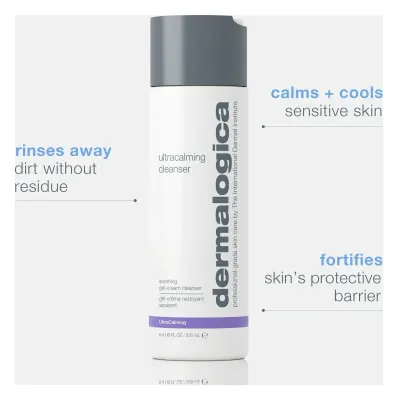
Dermalogica ultracalming cleanser
Panthenol, cucumber fruit extract, raspberry fruit extract · normal, dry, sensitive skin · scent-free label
AmazonBrand lists it for sensitive skin
Dermalogica multivitamin power recovery masque
Vitamins A, C, and E; linoleic acid; algae extract; pro-vitamin B5 · dry, combination, normal, oily, sensitive skin · scented
AmazonBrand lists it for oily skin
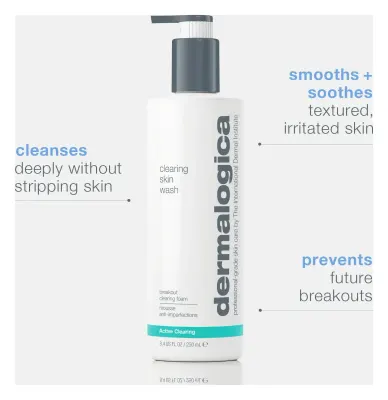
Dermalogica acne clearing skin wash
Salicylic acid, niacinamide, menthol, camphor, and eucalyptus extract · normal, combination, oily skin · scent-free label
Amazon

All 21 products with Propylene Glycol
Gel, Foam & Cream Facial Cleansers (4)
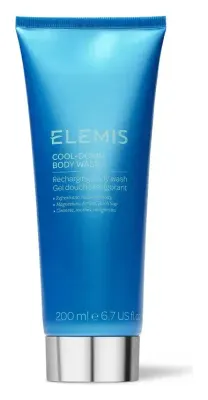
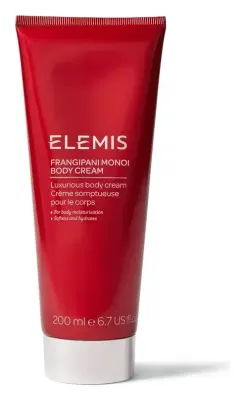
Body Creams, Butters & Body Oils (4)
Daily Moisturizers & Water Gel Creams (3)
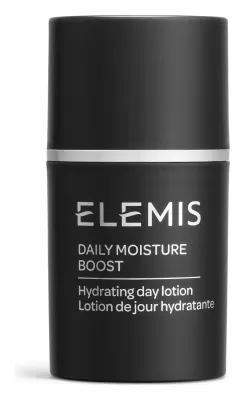


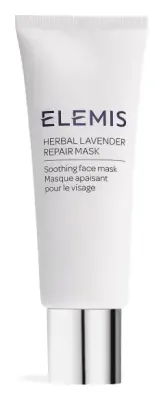
Cream & Gel Treatment Masks (2)
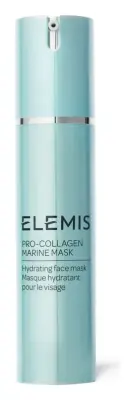
Premium Overnight Recovery Packs & Sleeping Facials (1)
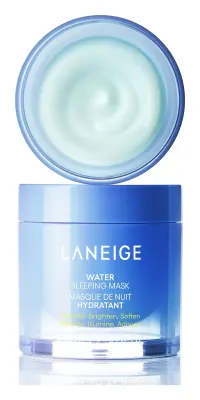
Hydrating Serums, Essences & Ampoules (1)
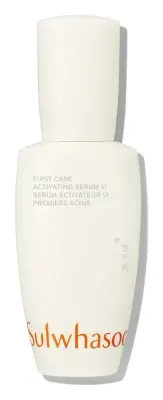
Dermatological Acne & Chemical Exfoliating Liquids (1)
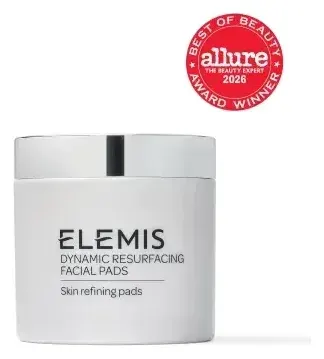
Sheet, Hydrogel & Clay Masks (1)
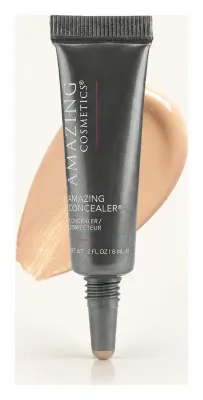
High-Definition Camouflage Concealers (1)
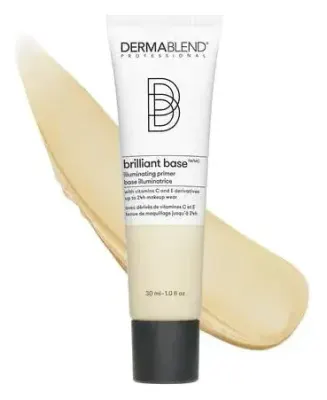
Mineral Pressed Powders & Skin-Nourishing Primers (1)
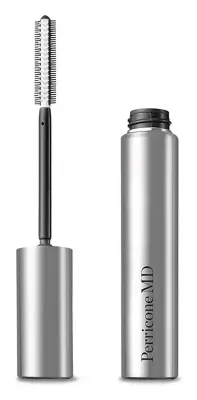
Eye Shadows, Liners, Mascara & Brow Makeup (1)
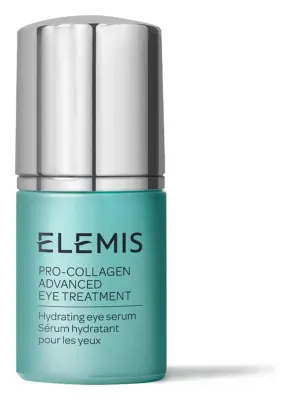
Eye Creams & Under-Eye Patches (1)
Common questions
Is propylene glycol a drying alcohol?
No. Propylene glycol is a glycol, a type of diol used as a humectant and solvent. It is chemically different from volatile alcohols such as denatured alcohol, which can feel drying in some formulas.
What does propylene glycol do in skincare?
It can attract water, help dissolve other ingredients, and adjust a product's texture. It appears in moisturizers, cleansers, and many other cosmetic formulas.
Can propylene glycol irritate skin?
It can cause irritation or contact allergy in a minority of people. If you have a known sensitivity or repeated discomfort from products that contain it, patch-test new formulas and consider asking a dermatologist.
Is propylene glycol bad for your skin?
It is widely used in cosmetics, but some people are sensitive to it. Its name alone does not determine how a finished product will feel or work for you.