PVP
What PVP does as a film-forming polymer in cosmetics, why it appears in styling and makeup products, and how to think about polymers.
Extremely safeIn 6 products we cover
We may earn a commission when you buy through links on this page. It never changes what we recommend.
Quick facts
- INCI name
- PVP
- Origin
- Synthetic
- Chemical class
- Synthetic film-forming polymer
- What it does in a formula
- film forming, binding, viscosity controlling
- Why it is in the formula
- It forms a flexible film that helps hold hair, pigments or other materials in place.
What it is
Short for polyvinylpyrrolidone (also called povidone), PVP is a synthetic polymer built from repeating smaller chemical units. In cosmetics it functions as the finished polymer rather than the monomer used in its production. That technical distinction is why batch lookups tied to the cosmetic label name can point to the monomer instead of assigning a polymer CAS number.
PVP is used in many types of products, including hair styling products, makeup and some skincare formulas. It can make a flexible film as a product dries. The exact result depends on the grade, amount and other ingredients, so the name alone does not tell you how strong a hair hold or how long-lasting a makeup formula will be.
What it does
- Forms a film. It can leave a thin layer that helps hold hair or other materials in place.
- Binds ingredients. It can help keep pigments or powders together in makeup.
- Supports wear. In some formulas, a film former can help a product maintain its shape or finish.
Who it suits
PVP is a helper ingredient, not a treatment active. In a face product, its presence does not automatically tell you whether a formula is moisturizing, heavy or suitable for a particular skin type. If you dislike a film-like finish, choose a different texture; if you like makeup that stays put, the film-forming role may be useful.
PVP is a synthetic polymer. Environmental conversations about microplastics depend on what definition is being used, the polymer’s physical form and its likely fate. A generic label does not supply enough detail to make a complete environmental judgment. On skin, assess the entire product and stop using it if it causes persistent discomfort. For hair or makeup products, follow the package’s use instructions.
What to pair it with, and what not to
There is no skincare active PVP needs beside it. It is formulated with other film formers, binders, pigments or styling ingredients depending on the product. Choose it as part of a finished formula rather than layering a polymer separately.
Skin Realist check: A bit of structure can be useful. No ingredient needs to win an award for it.
Quick picks with PVP
Scent-free, no patch-test flags on the label
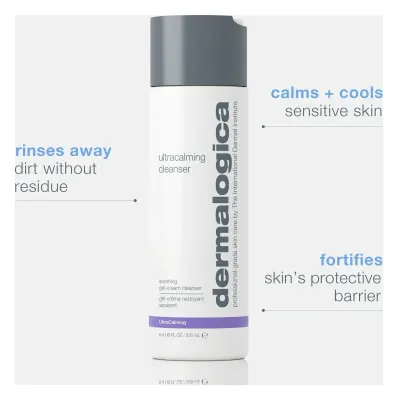
Dermalogica ultracalming cleanser
Panthenol, cucumber fruit extract, raspberry fruit extract · normal, dry, sensitive skin · scent-free label
AmazonFeatured in our guides
Sunday Riley A+ High-Dose Retinoid Serum
Retinol + Hydroxypinacolone Retinoate · scent-free label
Amazon

All 6 products with PVP
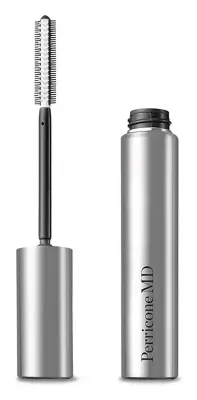
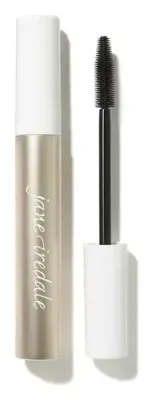
Eye Shadows, Liners, Mascara & Brow Makeup (2)
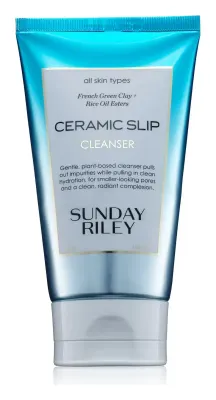
Gel, Foam & Cream Facial Cleansers (1)
Anti-Aging & Retinoid Serums (1)
Cream & Gel Treatment Masks (1)
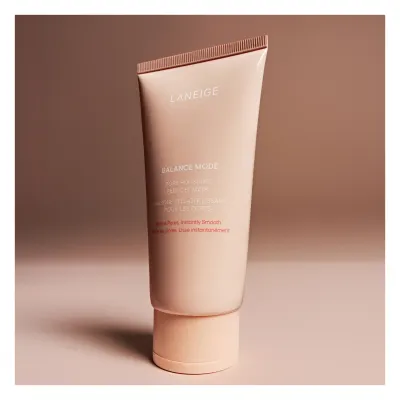
Premium Double-Cleansing Balms & Melting Gels (1)
Common questions
What does PVP do in cosmetics?
PVP is a film-forming polymer used to help hold hair in place, bind ingredients or improve the wear of makeup. Its job depends on the product.
Is PVP the same as povidone?
PVP is commonly called polyvinylpyrrolidone or povidone. In cosmetics it is a polymer, not the small molecule used to make the polymer.
Is PVP a microplastic?
PVP is a synthetic polymer, but whether a particular material fits a regulatory or scientific definition of microplastic depends on the definition and its physical form. Avoid treating the ingredient name alone as an environmental assessment.
Can PVP irritate skin?
It is mainly used as a film former or binder, but reactions to finished products can happen. Consider other ingredients too if a product makes your skin uncomfortable.