Salvia Sclarea (Clary) Oil
What clary sage oil does in skincare, why it belongs in the fragrance category, and what fragrance-sensitive shoppers should know.
Probably fineIn 11 products we cover
We may earn a commission when you buy through links on this page. It never changes what we recommend.
Quick facts
- INCI name
- Salvia Sclarea Oil
- Origin
- Plant-derived
- Chemical class
- Essential oil
- What it does in a formula
- fragrance, skin conditioning
- Why it is in the formula
- Adds an aromatic note to scented skincare and personal-care products.
What it is
Distilled from the flowering tops and aromatic foliage of Salvia sclarea, clary sage oil is a volatile essential oil with a warm, herbal aroma. In cosmetic formulas it serves primarily as a fragrance ingredient, differing markedly from a water-based flower extract or an emollient seed oil.
Like other essential oils, clary sage oil is a mixture rather than one pure fragrance molecule. It may contain naturally occurring components such as linalool or limonene. In the United States, those individual components may not all appear separately on a cosmetic label and can be included under fragrance or parfum. If you are trying to avoid scent, the oil itself matters even when a label does not identify every constituent.
What it does
- Adds aroma. It contributes a herbal scent to fragranced skincare and personal-care products.
- Helps shape a fragrance blend. Perfumers and formulators may combine it with other aromatic materials.
- Identifies plant-derived scent. The INCI name can signal that an essential oil is present, though it does not reveal the whole fragrance blend.
Who it suits
If you enjoy scented products and have no known sensitivity to clary sage or related fragrance materials, its presence may simply be a matter of preference. If you avoid fragrance, skip products listing clary sage oil and check for other aromatic ingredients too, including fragrance and essential oils. Choosing unscented or fragrance-free products is more useful than looking for this one oil alone.
Essential oils and fragrance ingredients can cause contact allergy or irritation in some people. That does not mean everyone will react, and it does not make a reaction predictable from the label. If you have a confirmed allergy, follow your dermatologist’s advice. Patch-test a new product if your skin is reactive, and stop using it if it causes persistent discomfort. Do not apply undiluted essential oil to your face.
What to pair it with, and what not to
Clary sage oil is included for scent and does not need an active to balance it. If you are introducing new skincare, avoid starting several fragranced products at once so it is easier to notice what suits you. There is no need to add essential oils to a product that already contains them.
Skin Realist check: A scent can be pleasant and still be optional. Your face does not owe anyone a spa atmosphere.
Quick picks with Salvia Sclarea (Clary) Oil
Brand lists it for sensitive skin
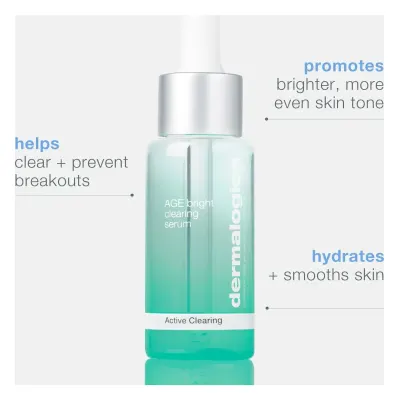
Dermalogica age bright clearing serum
Salicylic acid 2.0%, niacinamide, white shiitake mushroom and Resurrection Plant phytoactives · oily, dry, combination, sensitive, normal skin · scented
AmazonBrand lists it for oily skin
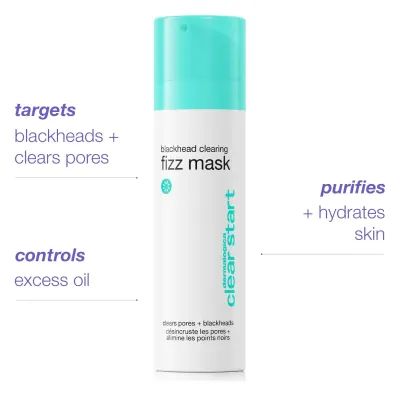
Dermalogica blackhead clearing fizz mask
Sulfur 3.0%; kaolin clay · oily, dry, combination, sensitive, normal skin · scented
AmazonBrand lists it for dry skin
Dermalogica intensive moisture cleanser
Ceramide NP, phytosterols, shea butter, murumuru seed butter, and conditioning oils · dry, normal skin · scented
Amazon

All 11 products with Salvia Sclarea (Clary) Oil
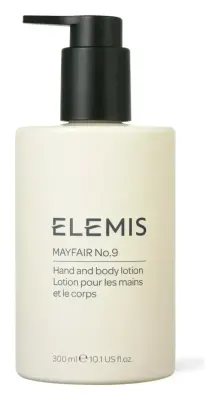
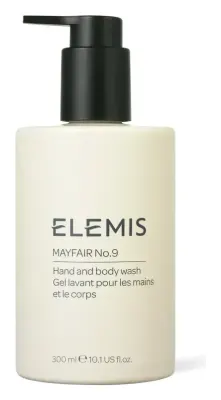
Body Creams, Butters & Body Oils (4)
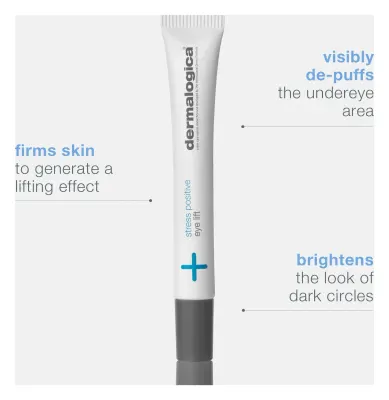
Eye Creams & Under-Eye Patches (2)

Pimple Patches & Overnight Spot Treatments (1)
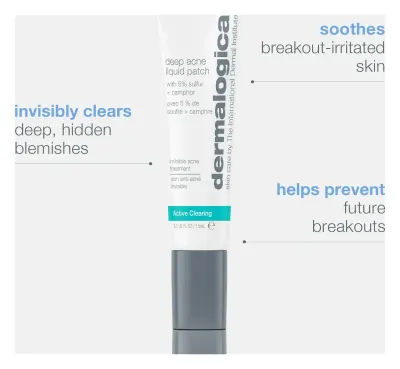
Dermatological Acne & Chemical Exfoliating Liquids (1)
Sheet, Hydrogel & Clay Masks (1)
Gel, Foam & Cream Facial Cleansers (1)
Daily Moisturizers & Water Gel Creams (1)

Common questions
What is clary sage oil in skincare?
It is an essential oil from Salvia sclarea, a flowering herb. The oil is used mainly for its aroma in cosmetics and personal-care products.
Is clary sage oil a fragrance?
Yes. It is an aromatic essential oil and should be treated as a fragrance ingredient. It may contain naturally occurring fragrance components such as linalool or limonene.
Can clary sage oil irritate skin?
Essential oils can bother some people, and fragrance components can be contact allergens. If you know fragrance triggers your skin, avoid it or follow your clinician's guidance.
Will a US label list every component of clary sage oil?
Not necessarily. In the United States, some fragrance components may appear under a general term such as fragrance or parfum rather than being listed separately. The label does not show every aromatic constituent.