Sodium Acrylates Copolymer
A plain guide to sodium acrylates copolymer, a synthetic thickener and stabilizer used to build the texture of cosmetics.
Extremely safeIn 10 products we cover
We may earn a commission when you buy through links on this page. It never changes what we recommend.
Quick facts
- INCI name
- Sodium Acrylates Copolymer
- Origin
- Synthetic
- Chemical class
- Synthetic polymer (acrylate copolymer)
- What it does in a formula
- viscosity controlling, film forming, stabilizing
- Why it is in the formula
- It thickens and stabilizes the product so gels and creams keep an even texture.
What it is
Engineered from repeating acrylate monomers, sodium acrylates copolymer functions as a synthetic thickener, film former, and stabilizing agent. It gives structure and smooth slip to lotions and gels. The label name identifies the polymer family without specifying its exact molecular weight, manufacturing method, or physical form.
You may find it in lotions, gels, creams and makeup. A polymer can help a thin formula feel more substantial or help dispersed ingredients remain evenly distributed. It does not automatically make a product a moisturizer or an active treatment. Its role is usually about the product’s physical properties.
What it does
- Builds viscosity. It can thicken a product so it does not feel watery or runny.
- Helps stabilize the formula. It supports even texture and distribution of ingredients.
- Affects application. A polymer can give a product more slip or a light film, depending on the rest of the blend.
Who it suits
This is a supporting ingredient found in products for many skin types. It does not tell you whether the finished product is designed for oily, dry or sensitive skin. The formula’s oils, humectants, active ingredients and product format all matter more than the presence of one texture agent.
The word polymer sometimes triggers broad online claims about plastics. Sodium acrylates copolymer is synthetic, but claims about microplastics or environmental persistence require specific information about particle form, size, use and fate. It is better to evaluate evidence about the actual material than to infer effects from the label name. For your skin, assess how the complete product feels and stop using it if persistent irritation occurs.
What to pair it with, and what not to
It needs no separate pairing step. It is built into a formula alongside water, emollients, humectants and other stabilizers. Pick a finished product for its intended use and preferred texture.
Skin Realist check: The formula's scaffolding does not need to be glamorous to be useful.
Quick picks with Sodium Acrylates Copolymer
Scent-free, no patch-test flags on the label
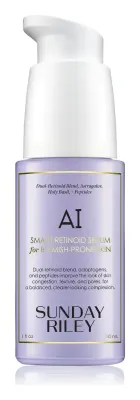
Sunday Riley A.I. Smart Retinoid Serum
Hydroxypinacolone Retinoate · scent-free label
AmazonBrand lists it for sensitive skin
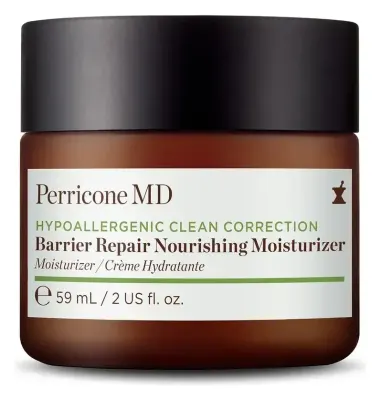
Perricone MD Hypoallergenic Clean Correction Barrier Repair Nourishing Moisturizer
Peptides, ceramides, and mushroom extract · sensitive skin · scent-free label
AmazonBrand lists it for oily skin
Dermalogica age reversal eye complex
Microencapsulated retinol, niacinamide, ash tree bark extract, vitamin C and peptides · oily, dry, combination, sensitive, normal skin · scent-free label
Amazon

All 10 products with Sodium Acrylates Copolymer
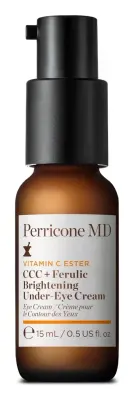
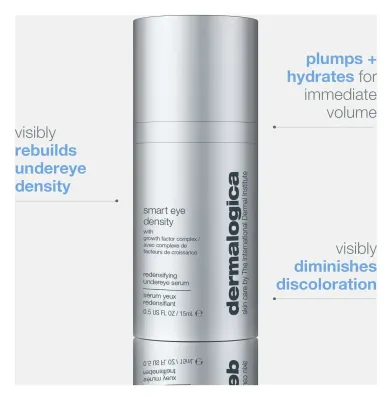
Eye Creams & Under-Eye Patches (3)
Anti-Aging & Retinoid Serums (2)

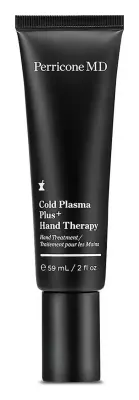
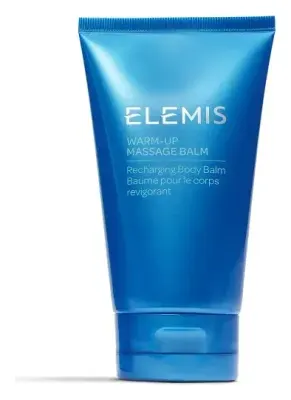
Body Creams, Butters & Body Oils (2)
Skin Barrier Repair Creams & Recovery Jars (1)
Daily Sunscreens & SPF Moisturizers (1)

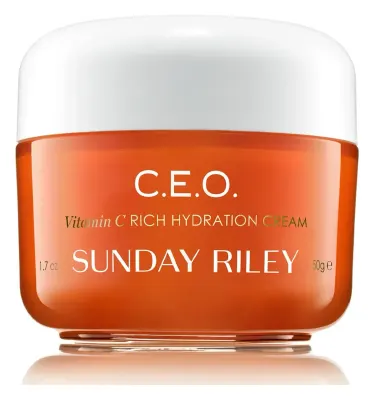
Daily Moisturizers & Water Gel Creams (1)
Common questions
What does Sodium Acrylates Copolymer do?
It is a synthetic polymer used to thicken and stabilize cosmetic formulas. It can help a product keep a smooth, consistent texture.
Is sodium acrylates copolymer a plastic?
It is a synthetic polymer, but broad labels such as plastic do not capture its exact structure or environmental fate. Specific claims depend on the polymer and the definition being used.
Does it moisturize skin?
Its primary job is to affect texture and stability, not to act as a humectant. The rest of the formula determines whether the finished product hydrates skin.
Is it safe for sensitive skin?
The ingredient name alone cannot predict how an entire formula will feel on you. If you have reactive skin, introduce new products cautiously and consider all of their ingredients.