Sodium Methyl Cocoyl Taurate
What sodium methyl cocoyl taurate does as a cleanser, and how the full formula determines whether a wash feels mild or stripping.
Extremely safeIn 7 products we cover
We may earn a commission when you buy through links on this page. It never changes what we recommend.
Quick facts
- INCI name
- Sodium Methyl Cocoyl Taurate
- Origin
- Plant-derived or Synthetic
- Chemical class
- Anionic surfactant
- What it does in a formula
- cleansing, foaming, surfactant
- Why it is in the formula
- It helps water lift away oil, soil, and sunscreen during cleansing.
What it is
Blending coconut-derived fatty chains with taurine-based chemistry, sodium methyl cocoyl taurate is a mild surfactant favored in foaming facial washes and body cleansers. It helps water break up surface oils, sunscreen, and daily residue, often combined with complementary surfactants to achieve a balanced, gentle lather.
A cleanser’s mildness is not determined by one ingredient name. The type and blend of surfactants, their amounts, the product’s pH, how long you leave it on, and how often you wash all affect the experience. The rest of the formula matters as well. A well-designed cleanser should remove what you want to wash off without leaving your skin feeling uncomfortably tight or stripped.
What it does
- Lifts away soil. It helps water carry away oil, dirt, and product residue during rinsing.
- Creates foam. It can contribute to a foamy or creamy lather, depending on the formula.
- Supports a cleansing blend. It may be combined with other surfactants to shape the cleanser’s feel.
Who it suits
This surfactant appears in products for a range of skin types, but the word mild on a product or the presence of one surfactant cannot guarantee your experience. If you have dry or sensitive skin, use a gentle technique, lukewarm water, and a cleanser that leaves your face comfortable after rinsing. You do not need a squeaky-clean sensation for a cleanser to work.
If your skin feels tight after washing, shorten the wash, reduce unnecessary cleansing, or try another formula. Stop using a product that causes persistent irritation. Pay attention to fragrance and other ingredients in the full formula if you have known sensitivities.
What to pair it with, and what not to
Use a cleanser with sodium methyl cocoyl taurate according to its directions, then follow with your usual moisturizer. If you wear water-resistant sunscreen or makeup, a suitable first cleanse may help remove it before the face wash. Avoid scrubbing hard or repeating washes just to chase foam. A comfortable rinse and a simple moisturizing step are usually enough.
Skin Realist check: A cleanser does not need to squeak to prove it showed up for work.
Quick picks with Sodium Methyl Cocoyl Taurate
Scent-free, no patch-test flags on the label
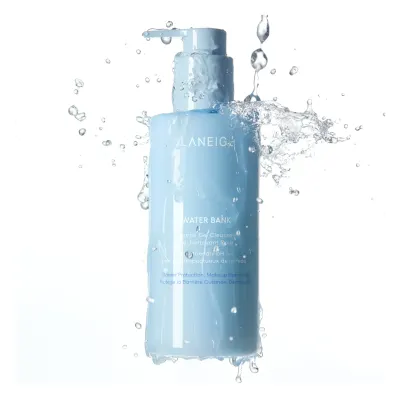
Laneige Water Bank Gentle Gel Cleanser
Blue Hyaluronic Acid, allantoin, and amino acid complex · sensitive skin · scent-free label
AmazonBrand lists it for oily skin
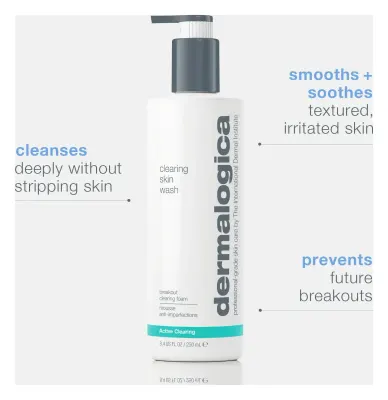
Dermalogica acne clearing skin wash
Salicylic acid, niacinamide, menthol, camphor, and eucalyptus extract · normal, combination, oily skin · scent-free label
AmazonBrand lists it for combination skin
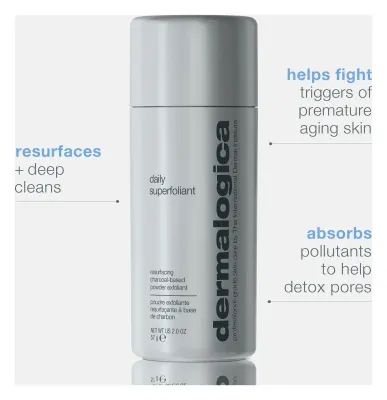
Dermalogica daily superfoliant exfoliator
Activated Binchotan Charcoal, lactic acid, niacinamide and rice powder enzymes · oily, combination, normal skin · scented
Amazon
All 7 products with Sodium Methyl Cocoyl Taurate
Gel, Foam & Cream Facial Cleansers (4)
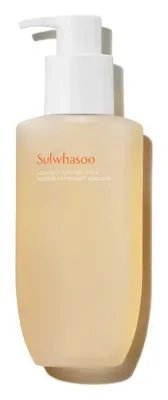
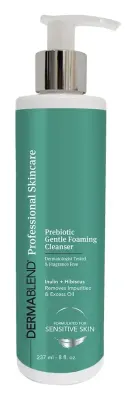
Premium Double-Cleansing Balms & Melting Gels (2)
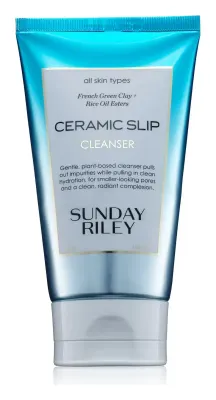
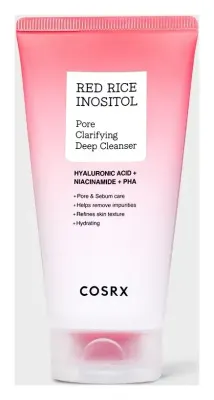
Physical & Enzyme Face Exfoliants (1)
Common questions
What does sodium methyl cocoyl taurate do?
It is a surfactant that helps water mix with oil and debris so they can rinse away. It is commonly used in rinse-off cleansers and can create foam.
Is sodium methyl cocoyl taurate a gentle cleanser?
It is often used in milder cleansing formulas, but mildness depends on surfactant blend, concentration, pH, contact time, and rinsing. The finished cleanser matters more than one ingredient.
Does sodium methyl cocoyl taurate come from coconut?
The cocoyl portion refers to fatty acids associated with coconut-derived materials, though sourcing and processing can vary. The ingredient is not coconut oil and does not behave like a facial oil.
Can this cleanser dry out skin?
Any cleanser can feel drying if its overall formula or use does not suit you. Look for a comfortable rinse-off feel and avoid washing longer or more often than needed.