Sodium Polyacryloyldimethyl Taurate
A straightforward guide to this synthetic polymer, which helps keep skincare gels and emulsions thick, smooth and stable.
Extremely safeIn 12 products we cover
We may earn a commission when you buy through links on this page. It never changes what we recommend.
Quick facts
- INCI name
- Sodium Polyacryloyldimethyl Taurate
- Origin
- Synthetic
- Chemical class
- Synthetic polymer thickener
- What it does in a formula
- viscosity controlling, stabilizing, film forming
- Why it is in the formula
- It thickens and stabilizes a formula, giving gels and creams a smooth texture.
What it is
Despite its daunting chemical name, sodium polyacryloyldimethyl taurate is simply a synthetic polymer designed to build viscosity and stability in skincare formulas. This large chain-like molecule creates a smooth, cushiony feel in creams and gels, helping delicate emulsions stay evenly blended without separating.
You may see it in gels, serums, creams and lotions. It can help make a watery formula feel more substantial or help keep dispersed ingredients from settling. It is not the same thing as a hydrating active, even though it may appear in a product advertised as hydrating.
What it does
- Thickens a formula. It can increase viscosity and help a product feel less runny.
- Stabilizes the mixture. It helps keep the texture and dispersed ingredients more uniform.
- Supports application. A smoother gel or cream can spread more evenly across skin.
- Can form a light film. Depending on the formula, polymers may contribute to a more continuous surface feel.
Who it suits
This is a supporting ingredient, not the reason to buy a product. It is used in formulas for many skin types, and its presence says little about whether a product is rich, lightweight or likely to feel comfortable. The humectants, oils, emulsifiers and active ingredients around it shape the experience.
Because it is a synthetic polymer, some shoppers may have questions about environmental definitions of microplastics. Those discussions depend on the polymer’s physical form, fate and the applicable definition, not just the word polymer on a cosmetic label. It is more accurate to make a specific, evidence-based claim than to call every polymer a microplastic. If the product itself irritates your skin, consider the whole formula and discontinue it if discomfort persists.
What to pair it with, and what not to
It needs no separate partner in a routine. It can be formulated with water-based humectants, emollients and other texture agents. Choose a finished product for its formula and feel rather than adding a thickener on its own.
Skin Realist check: I support a well-behaved gel. I do not require it to have a backstory.
Quick picks with Sodium Polyacryloyldimethyl Taurate
Scent-free, no patch-test flags on the label
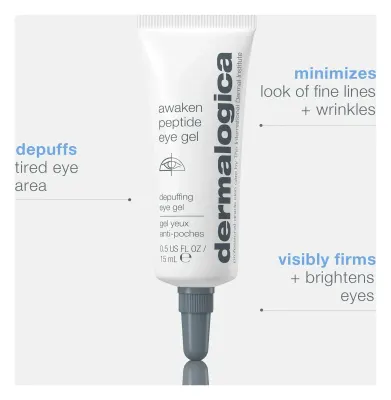
Dermalogica awaken peptide depuffing eye gel
Caffeine, tetrapeptides, rosemary leaf extract, succinic acid blend, Voandzeia subterranea seed extract and lactic acid · oily, dry, combination, sensitive, normal skin · scent-free label
AmazonBrand lists it for sensitive skin
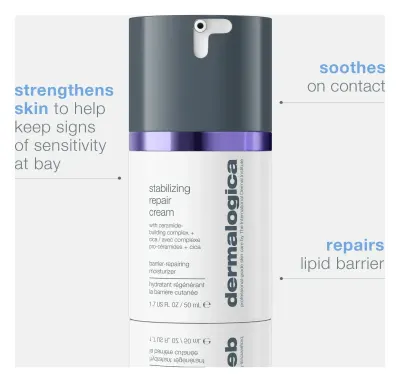
Dermalogica stabilizing repair cream
Resurrection Plant, Tasmania lanceolata extract, Boerhavia diffusa root, and a ceramide-building complex · sensitive skin · scent-free label
AmazonBrand lists it for oily skin
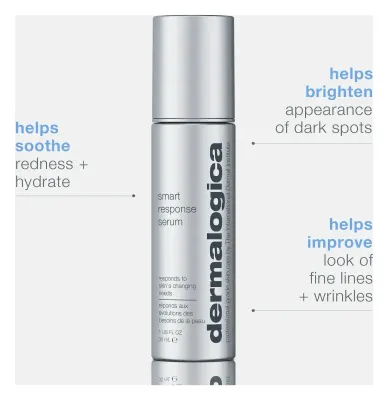
Dermalogica Smart Response Serum
Hydrolyzed beta glucan, hydrolyzed wheat flour, Japanese Cornelia Cherry, mannose-6-phosphate, and lactic acid · oily, dry, combination, sensitive, normal skin · scented
Amazon
All 12 products with Sodium Polyacryloyldimethyl Taurate
Eye Creams & Under-Eye Patches (3)


Hydrating Serums, Essences & Ampoules (3)
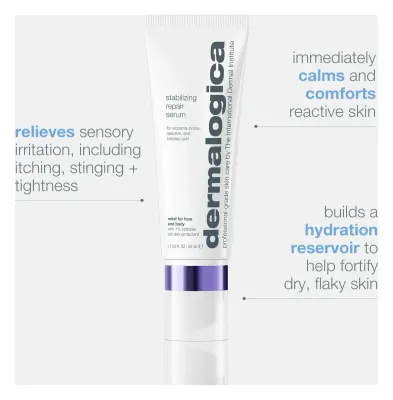

Skin Barrier Repair Creams & Recovery Jars (2)
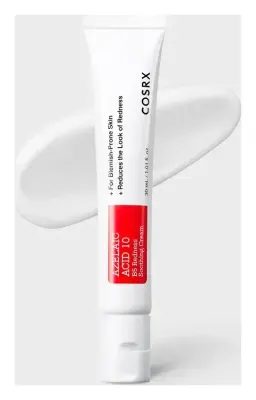
Dermatological Acne & Chemical Exfoliating Liquids (2)
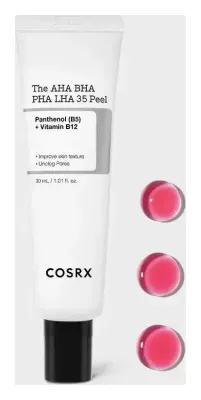
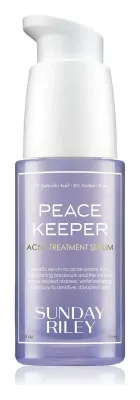
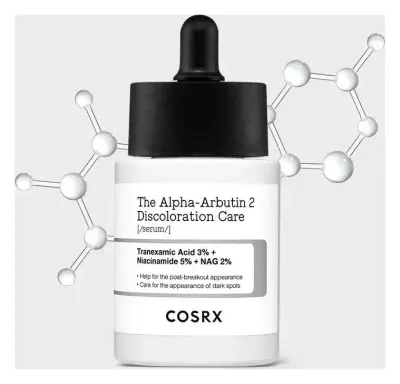
Targeted Vitamin C & Brightening Correctors (2)
Common questions
What does Sodium Polyacryloyldimethyl Taurate do?
It is a synthetic polymer used to thicken and stabilize cosmetic formulas. It helps a gel or cream hold a consistent texture.
Is it a moisturizer?
Its main job is formula structure, not delivering moisture like a humectant. A product containing it may still be moisturizing because of its other ingredients.
Is this polymer a microplastic?
It is a synthetic polymer, but the term microplastic has different regulatory and scientific definitions. Avoid assuming its environmental fate from the ingredient name alone.
Can it irritate skin?
It is typically used as a texture helper, but reactions to finished cosmetics can happen. Consider the full ingredient list if a product leaves your skin uncomfortable.