Sodium Sulfate
What sodium sulfate does as a mineral salt and formulation helper in cosmetics, and why it is not the same as a sulfate cleanser.
Extremely safeIn 5 products we cover
We may earn a commission when you buy through links on this page. It never changes what we recommend.
Quick facts
- INCI name
- Sodium Sulfate
- CAS number
- 7757-82-6
- Origin
- Mineral or Synthetic
- Chemical class
- Inorganic sulfate salt
- What it does in a formula
- bulking, viscosity controlling
- Why it is in the formula
- It can help adjust texture or contribute bulk in a cosmetic formula.
What it is
Not to be confused with the foaming detergent sodium lauryl sulfate, sodium sulfate is an inorganic salt used in select cosmetics to build body or adjust product density. Despite sharing the sulfate term, it behaves as an inert formulation salt rather than a lathering surfactant.
As with other salts, sodium sulfate’s role depends on its amount and the rest of the formula. It is not generally a headline active or a reason to choose a product. The ingredient list does not reveal the concentration, and the full formulation tells you more about how a cleanser, cream, or powder will feel.
What it does
- Supports texture. It can help a formulator adjust the consistency of a product.
- Adds bulk. It may contribute to the physical structure of a formula.
- Works in the background. It is a practical ingredient rather than a skin-care treatment.
Who it suits
Most shoppers do not need to seek out or avoid sodium sulfate based only on its name. It is not interchangeable with sulfate surfactants, so do not infer a cleanser’s mildness from this ingredient alone. The formula as a whole and the way you use it determine whether a product feels comfortable.
If a product causes persistent irritation or dryness, stop using it and review all its ingredients. Try a different formula if the texture or rinse feel does not suit you. People with known sensitivities should check product labels and follow guidance from a dermatologist when needed.
What to pair it with, and what not to
Sodium sulfate does not need to be paired with another ingredient at home. It is already part of the product’s formulation. Use the finished cosmetic according to its directions, and do not add table salt or other powders to change its texture. Choose a cleanser based on its overall feel rather than the word sulfate by itself.
Skin Realist check: The word sulfate covers more than one job. Ingredient names need their full names before they get a reputation.
Quick picks with Sodium Sulfate
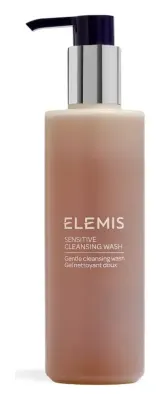
Brand lists it for sensitive skin
Elemis Sensitive Cleansing Wash
Chamomile, thyme, and lady's mantle · dry, sensitive skin · scented
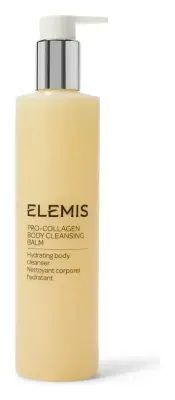
AmazonBrand lists it for oily skin
Elemis Pro-Collagen Body Cleansing Balm
Collagen amino acids, Padina pavonica, borago seed oil, camelina seed oil, echium seed oil · combination, dry, normal, oily skin · scented
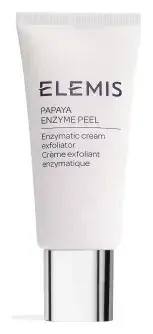
AmazonFeatured in our guides
Elemis Papaya Enzyme Peel
Papain · scented
Amazon
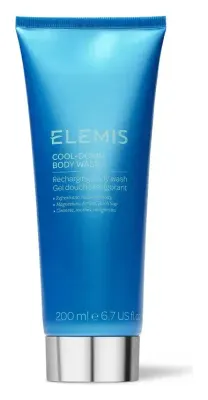
All 5 products with Sodium Sulfate
Body Creams, Butters & Body Oils (2)
Physical & Enzyme Face Exfoliants (1)
Premium Double-Cleansing Balms & Melting Gels (1)
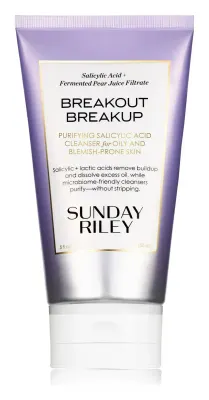
Gel, Foam & Cream Facial Cleansers (1)
Common questions
What is sodium sulfate in skincare?
It is an inorganic salt used as a supporting formulation ingredient, such as a bulking or texture helper. It is not usually included as a skin treatment.
Is sodium sulfate the same as sodium lauryl sulfate?
No. Sodium sulfate is a simple inorganic salt, while sodium lauryl sulfate is a surfactant used for cleansing and foaming. Shared wording does not mean they have the same role.
Does sodium sulfate dry out skin?
Its presence alone does not predict how a finished product will feel. The whole formula and how it is used matter, especially in rinse-off cleansers.
Why is sodium sulfate in a cosmetic?
It can be used as part of the formula's texture or bulk. The exact purpose depends on the product and the other ingredients around it.