Sorbitan Stearate
An emulsifier that helps oil and water stay blended in creams, lotions, and other cosmetic formulas.
Extremely safeIn 5 products we cover
We may earn a commission when you buy through links on this page. It never changes what we recommend.
Quick facts
- INCI name
- Sorbitan Stearate
- CAS number
- 1338-41-6
- Origin
- Plant-derived or Synthetic
- Chemical class
- Nonionic surfactant (sorbitan ester)
- What it does in a formula
- emulsifying, surfactant, skin conditioning
- Why it is in the formula
- It helps stabilize oil-and-water emulsions and contributes to a creamy texture.
What it is
Produced by reacting sorbitan with saturated stearic acid, sorbitan stearate is a nonionic emulsifying ester used widely in creams and lotions. It helps blend oil and water components into stable emulsions, providing smooth spreadability and formula cohesion.
Water and oil do not naturally stay mixed. An emulsifier helps disperse one phase through the other so the product does not quickly separate. Sorbitan stearate may be used alone or with another emulsifier to create the desired stability and texture.
What it does
- Helps emulsify. It supports the blend of water and oil ingredients in a cream or lotion.
- Adds a creamy feel. It can contribute to the texture and spread of the finished product.
- Supports stability. A properly designed emulsifier system helps a formula remain consistent during ordinary storage and use.
- Conditions the skin. Depending on the formula, it may leave a soft, emollient feel after application.
Who it suits
Sorbitan stearate is a supporting ingredient rather than a skin-care active. It can be part of products for many skin types because its main role is to keep a formula blended. If you prefer lightweight gel textures, a rich cream may feel too heavy regardless of the emulsifier. The finished product, rather than the ingredient name alone, tells you more about how it will feel.
There is no trustworthy comedogenic score that can predict how one ingredient will behave in every formula. If you are prone to breakouts or have sensitive skin, choose a product based on your own experience and consider its full ingredient list. Stop using a product that causes persistent discomfort, and ask a dermatologist about recurring reactions.
What to pair it with, and what not to
Sorbitan stearate is already combined with the oil and water phases of a product, so it does not need a separate step in a routine. It often works with other emulsifiers, humectants, and emollients. Choose the finished formula for its texture and how it wears on your skin.
Skin Realist check: Oil and water do not have to get along naturally. It is enough if the cream on your shelf stays together.
Quick picks with Sorbitan Stearate
Scent-free, no patch-test flags on the label
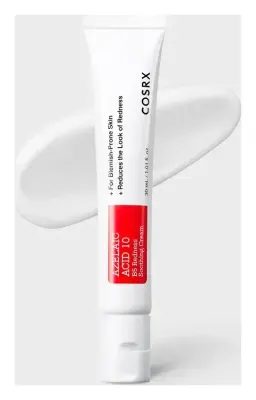
COSRX Azelaic Acid 10 B5 Redness Soothing Cream
Azelaic Acid 10% · scent-free label
AmazonBrand lists it for sensitive skin
Dermalogica multivitamin power recovery masque
Vitamins A, C, and E; linoleic acid; algae extract; pro-vitamin B5 · dry, combination, normal, oily, sensitive skin · scented
AmazonFeatured in our guides
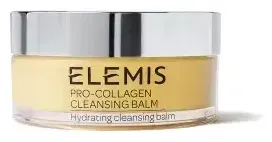
Elemis Pro-Collagen Cleansing Balm
Padina Pavonica Thallus Extract · scented
Amazon

All 5 products with Sorbitan Stearate
Premium Double-Cleansing Balms & Melting Gels (2)
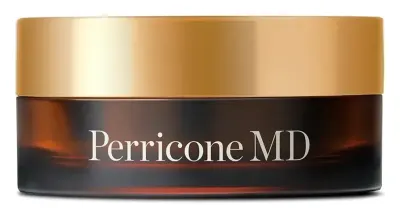
Skin Barrier Repair Creams & Recovery Jars (1)
Cream & Gel Treatment Masks (1)
Daily Moisturizers & Water Gel Creams (1)

Common questions
What does sorbitan stearate do?
It is an emulsifier that helps oil and water ingredients combine in a cream or lotion. It can also contribute to the product's smooth texture.
Is sorbitan stearate made from sugar?
Its sorbitan portion is related to sorbitol, a sugar alcohol, and the stearate portion comes from stearic acid. Those materials may come from different sources and are processed to make the finished ingredient.
Is sorbitan stearate a surfactant?
Yes, it is a nonionic surfactant used mainly as an emulsifier. It helps oil and water stay blended rather than acting as the primary cleanser in most moisturizers.
Can sorbitan stearate clog pores?
Comedogenic ratings are unreliable and do not predict how a whole formula will behave for you. Consider the product's texture and your own experience rather than a score for one ingredient.