Theobroma Cacao (Cocoa) Seed Butter
How cocoa seed butter softens and enriches a formula, what its fatty acids contribute, and when its richer feel may be too much.
Probably fineIn 11 products we cover
We may earn a commission when you buy through links on this page. It never changes what we recommend.
Quick facts
- INCI name
- Theobroma Cacao Seed Butter
- Origin
- Plant-derived
- Chemical class
- Plant butter (fatty-acid triglycerides)
- What it does in a formula
- emollient, skin conditioning, viscosity controlling
- Why it is in the formula
- It adds a rich, solid emollient that gives balms and creams body and a protective feel.
What it is
Pressed from the roasted seeds of the cacao tree (Theobroma cacao), cocoa seed butter is a rich vegetable fat that melts near human skin temperature. Its balanced composition of stearic, palmitic, and oleic fatty acids gives firm structure to lip balms and body butters while imparting a protective, softening emollient shield.
This botanical butter is an emollient, not an exfoliating acid or a special treatment. In a product it can soften the skin’s surface and leave a richer feel. Like other plant fats, it can gradually oxidize with exposure to air, light and heat; appropriate packaging and storage help preserve the product’s intended quality.
What it does
- Softens skin. Its fatty materials help smooth the feel of dry or rough skin.
- Adds richness. It contributes a dense, buttery texture to balms, body creams and some face products.
- Helps reduce moisture loss. An emollient layer can slow water escaping from the skin’s surface.
- Structures formulas. Its solid consistency can help a product hold its shape.
Who it suits
Cocoa butter may appeal to dry skin or anyone who likes a substantial, protective-feeling cream. It may feel too rich or waxy on oily skin, especially in a concentrated balm or a hot climate. That is about the finished product’s feel, not a guarantee that the butter will cause breakouts. There is no dependable comedogenic score that predicts results for everyone.
If you tend to clog easily, try a small area or choose a lighter formula first. Check the product’s date and storage directions: plant oils and butters can oxidize, and heat and air exposure can shorten their useful life. A rancid or changed product is not worth keeping for the sake of finishing the jar.
What to pair it with, and what not to
Cocoa butter can be part of a moisturizer with humectants such as glycerin or other emollients. It does not need to be layered with a face oil; the butter itself supplies a rich oil-like feel. For other textures, see the face oil guide.
Skin Realist check: Texture is personal. Your face does not owe anyone a dewy finish.
Quick picks with Theobroma Cacao (Cocoa) Seed Butter
Scent-free, no patch-test flags on the label
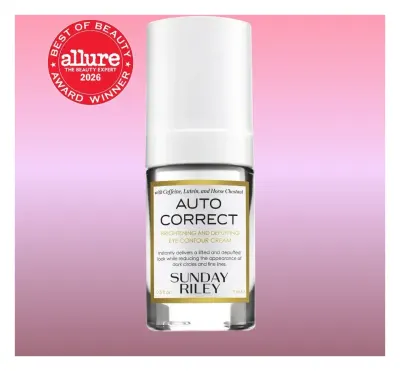
Sunday Riley Auto Correct Brightening + Depuffing Eye Cream
Caffeine · scent-free label
AmazonBrand lists it for oily skin
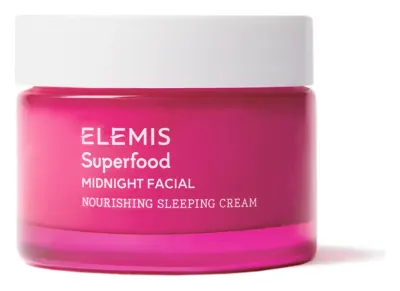
Elemis Superfood Midnight Facial
Cocoa seed butter, banana flower extract, camu camu, and prebiotic alpha-glucan oligosaccharide · combination, dry, normal, oily skin · scented
AmazonBrand lists it for dry skin
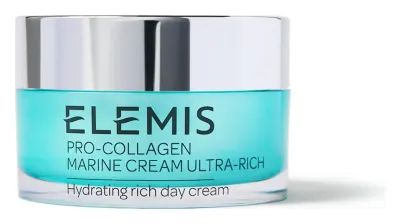
Elemis Pro-Collagen Marine Cream Ultra-Rich
Padina pavonica, Chlorella vulgaris, Ginkgo biloba, cocoa seed butter, and collagen amino acids · dry skin · scented
Amazon
All 11 products with Theobroma Cacao (Cocoa) Seed Butter
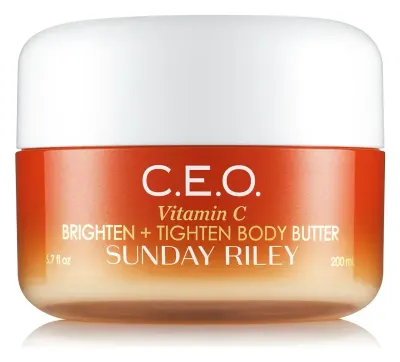
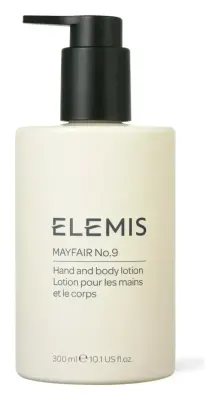
Body Creams, Butters & Body Oils (2)
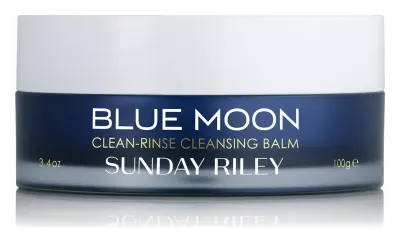
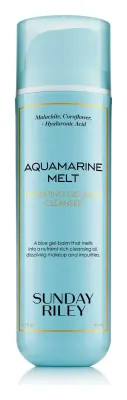
Premium Double-Cleansing Balms & Melting Gels (2)
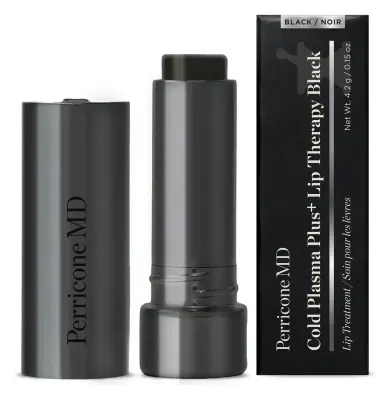
Intensive Lip Recovery Masks & Tinted Balms (2)
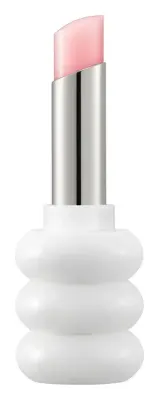
Eye Creams & Under-Eye Patches (1)
Daily Moisturizers & Water Gel Creams (1)
Premium Overnight Recovery Packs & Sleeping Facials (1)
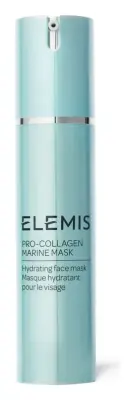
Cream & Gel Treatment Masks (1)
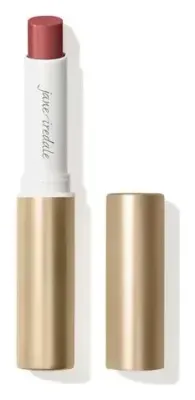
Lipsticks, Glosses & Lip Liners (1)
Common questions
What does cocoa butter do in skincare?
It is a rich plant butter that softens skin and gives creams, balms and body products more body. It can also help slow moisture loss by leaving an emollient film.
Is cocoa butter good for oily skin?
Its rich, occlusive feel may be too heavy for some people with oily or acne-prone skin, especially in a dense leave-on product. The complete formula and how your skin responds matter more than a universal rule.
Does cocoa butter clog pores?
No ingredient has one reliable comedogenic score that predicts every finished formula. If you are prone to clogged pores, try a small area first or choose a lighter texture.
Does cocoa butter expire?
Plant fats can oxidize over time, especially with heat, air and light exposure. Follow the package's storage and after-opening guidance, and stop using a product if its scent or texture changes unexpectedly.