Triethoxycaprylylsilane
How triethoxycaprylylsilane helps mineral pigments and filters spread evenly, without adding sun protection of its own.
Extremely safeIn 27 products we cover
We may earn a commission when you buy through links on this page. It never changes what we recommend.
Quick facts
- INCI name
- Triethoxycaprylylsilane
- CAS number
- 2943-75-1
- Origin
- Synthetic
- Chemical class
- Organosilane
- What it does in a formula
- binding, surface treating, dispersing
- Why it is in the formula
- It coats mineral particles to help them disperse and spread evenly through a formula.
What it is
Applied as a specialized hydrophobic coating to mineral pigments and sunscreen powders, triethoxycaprylylsilane is an organosilicon surface modifier. It alters pigment particles so they disperse smoothly and evenly in cosmetic oils, improving wear, preventing agglomeration, and lending a silky touch to foundations and mineral sunscreens.
This ingredient is sometimes mentioned in online discussions of mineral sunscreen, which can make its role sound larger than it is. It is not a UV filter and does not provide sun protection on its own. In the United States, sunscreens are over-the-counter drugs. The active ingredients listed for that use are what count as the product’s UV filters. A surface coating can help the formula handle those particles, but it cannot stand in for a tested sunscreen active or a labeled SPF.
What it does
- Coats particles. It can attach to the surface of mineral pigments or filters such as zinc oxide.
- Helps dispersion. Treated particles can be easier to distribute through the product rather than clumping together.
- Supports application. Better dispersion may contribute to an even-looking finish and consistent texture.
Who it suits
Triethoxycaprylylsilane is a helper ingredient, not the reason to buy a sunscreen or makeup product. It does not tell you whether a formula will leave a white cast, feel greasy, or suit your skin. Those qualities depend on the particle size and treatment, the base formula, the amount applied, and other product design choices.
If you are choosing sunscreen, focus on its labeled broad-spectrum protection and whether you can apply it generously and reapply as directed. Do not infer a product’s SPF from triethoxycaprylylsilane or from the fact that it contains zinc oxide. A product with this ingredient may be made for many different skin types, but individual preferences vary. Follow the package directions and stop using a product that causes persistent discomfort.
What to pair it with, and what not to
There is no separate ingredient that you need to layer with triethoxycaprylylsilane. It works inside the formula alongside mineral particles and other components. Use a finished sunscreen as directed; do not combine raw powders or rely on a cosmetic ingredient list to make a homemade sunscreen. A moisturizer or makeup can be layered according to its instructions, but no companion ingredient changes this material into a UV filter.
Skin Realist check: A smoother application is a useful supporting role, not a secret second sunscreen.
Quick picks with Triethoxycaprylylsilane
Scent-free, no patch-test flags on the label
Dermablend Cover Creme
scent-free label
AmazonBrand lists it for sensitive skin
Dermalogica skinperfect primer spf30
Argan oil, peptides, sodium hyaluronate, vitamin E · normal, dry, combination, oily, sensitive skin · scented
AmazonFeatured in our guides
tarte face tape™ foundation
scented
Amazon
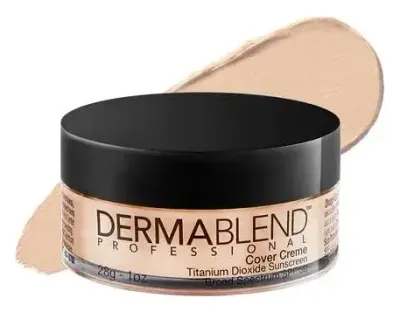

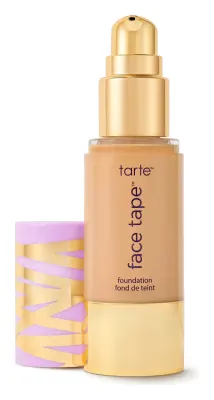
All 27 products with Triethoxycaprylylsilane
High-Definition Camouflage Concealers (7)
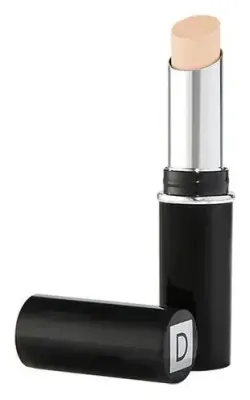 Dermablend Quick-Fix® ConcealerAmazon
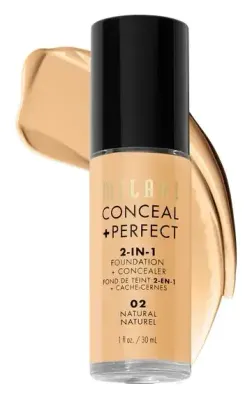 Milani Conceal + Perfect 2-In-1 Foundation + ConcealerAmazon
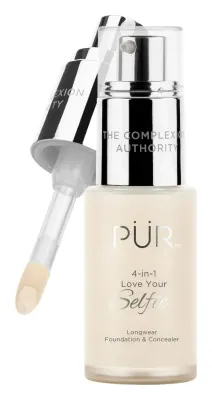 PÜR Love Your Selfie Longwear Foundation & ConcealerAmazon
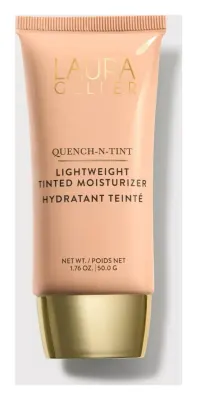
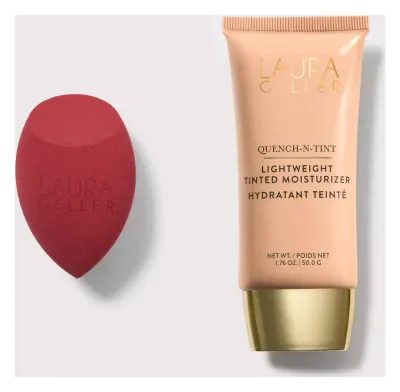 Laura Geller Quench-n-Tint Lightweight Tinted Moisturizer and SpongeAmazon
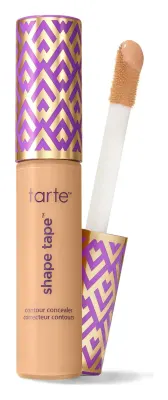 tarte shape tape™ concealerAmazon
 tarte shape tape™ creamy concealerAmazon
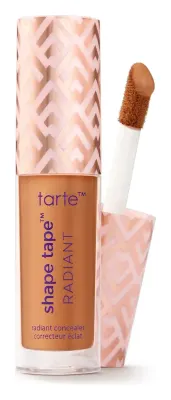 tarte travel-size shape tape™ radiant concealerAmazon
Full-Coverage Camouflage & Liquid Foundations (6)
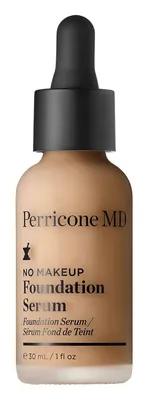
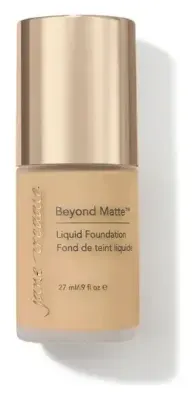
Blush, Bronzers & Highlighters (4)
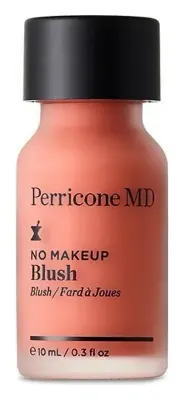
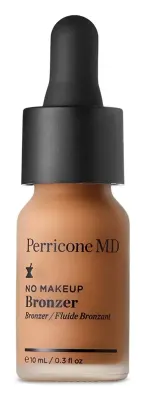
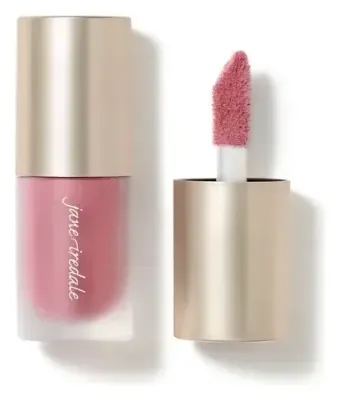
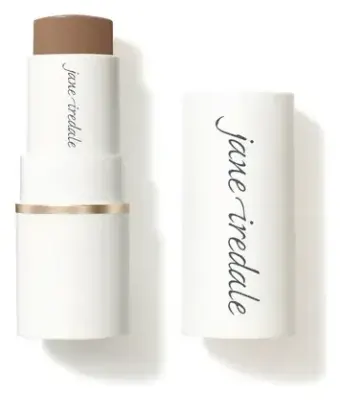
Mineral Pressed Powders & Skin-Nourishing Primers (3)
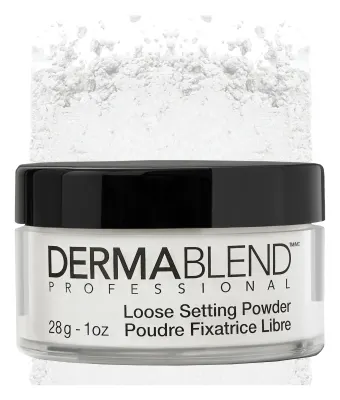
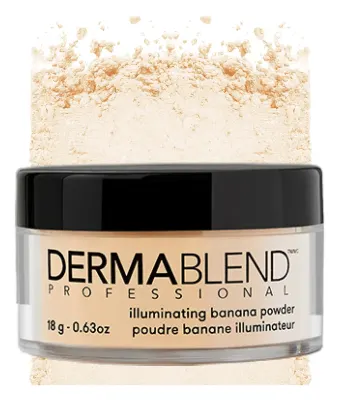

Eye Shadows, Liners, Mascara & Brow Makeup (2)
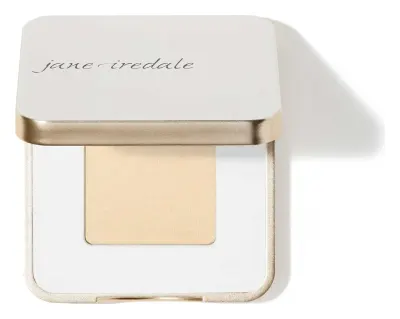
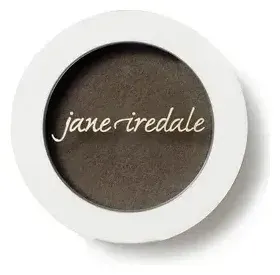
Gel, Foam & Cream Facial Cleansers (2)
Daily Sunscreens & SPF Moisturizers (1)
Body Creams, Butters & Body Oils (1)
Daily Moisturizers & Water Gel Creams (1)

Common questions
What does triethoxycaprylylsilane do in skincare?
It can coat mineral particles such as pigments or zinc oxide and help them disperse through a formula. That may support an even texture and application.
Is triethoxycaprylylsilane a UV filter?
No. It is not a sunscreen active ingredient and does not provide SPF on its own. In the United States, sunscreen products are regulated as OTC drugs and their active ingredients must be listed for that use.
Why is it in mineral sunscreen?
Mineral particles can be difficult to disperse evenly in a formula. Surface treatment ingredients such as triethoxycaprylylsilane can help the particles mix and spread more consistently.
Is triethoxycaprylylsilane silicone?
It is an organosilane used to treat particle surfaces, not the same type of ingredient as common silicone emollients. Its role is mainly formulation support.