VP/Eicosene Copolymer
What VP/eicosene copolymer does in makeup and skincare, from helping a formula hold together to leaving a flexible film.
Extremely safeIn 10 products we cover
We may earn a commission when you buy through links on this page. It never changes what we recommend.
Quick facts
- INCI name
- VP/Eicosene Copolymer
- Origin
- Synthetic
- Chemical class
- Vinylpyrrolidone/olefin copolymer
- What it does in a formula
- film forming, viscosity controlling, binding
- Why it is in the formula
- Helps form a flexible film and supports product texture, adhesion, or wear.
What it is
Synthesized by copolymerizing vinylpyrrolidone with a long-chain eicosene olefin, VP/eicosene copolymer is an oil-soluble film-forming polymer. It is frequently incorporated into water-resistant sunscreens, mascaras, and long-wearing makeup to help formulas adhere smoothly, resist smudging, and maintain uniform coverage.
The INCI name sometimes appears with a space after the slash, but both forms refer to the same ingredient. The polymer is not a plant extract or an oil. Its behavior depends on how it is made and blended with other ingredients, so the label does not tell you exactly how a particular product will wear.
What it does
- Forms a film. It can leave a flexible layer that helps a product adhere to skin or hair.
- Supports wear. In makeup, film formers can help pigments or other materials stay in place.
- Helps control texture. It can contribute to viscosity, binding, or the feel of a formula.
- Works behind the scenes. It is a helper, not a skincare active to seek out on its own.
Who it suits
VP/eicosene copolymer is not usually a reason to choose a skincare product for a particular skin type. The rest of the formula determines whether it feels light, tacky, or comfortable. If a product seems sticky, try a smaller amount or allow it to dry before layering another product. Makeup wear also depends on the amount used and what you apply underneath.
This ingredient is a synthetic polymer. Some polymers are discussed in connection with microplastics, but the category is broad. Environmental assessment depends on whether a material is a solid particle, its size, ability to dissolve or degrade, and how it is released. Do not assume every polymer has the same environmental profile. If you have sensitive skin, patch-test the full formula and discontinue it if it causes persistent discomfort.
What to pair it with, and what not to
There is no active ingredient that needs to be paired with this polymer. It is already blended into the product alongside binders, pigments, emollients, or other texture agents. Apply a thin layer and let it set if you are using a film-forming makeup product.
Skin Realist check: A little invisible scaffolding can be the difference between a smooth finish and a formula with stage fright.
How it appears on labels: VP/Eicosene Copolymer; VP/ Eicosene Copolymer
Quick picks with VP/Eicosene Copolymer
Scent-free, no patch-test flags on the label
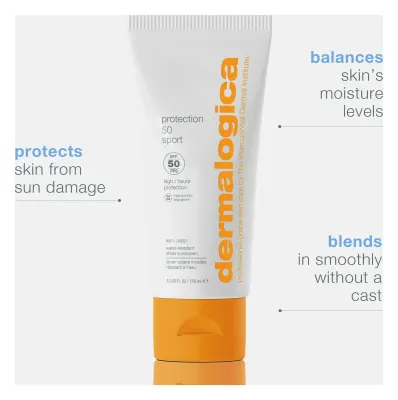
Dermalogica protection 50 sport spf50
oily, dry, combination, sensitive, normal skin · scent-free label
AmazonBrand lists it for sensitive skin
Dermalogica biolumin-c heat aging protector spf50
Ultra-stable vitamin C complex, ThermaRadiance Complex, Physalis, vitamin E, safflower oleosomes · combination, dry, normal, oily, sensitive skin · scented
AmazonFeatured in our guides
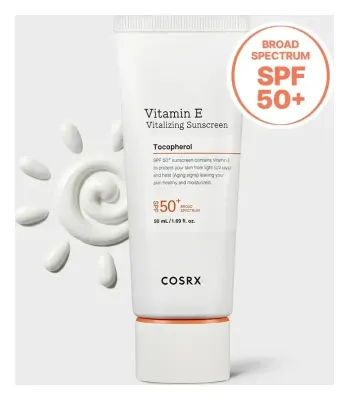
COSRX Vitamin E Vitalizing Sunscreen SPF 50+
scented
Amazon

All 10 products with VP/Eicosene Copolymer
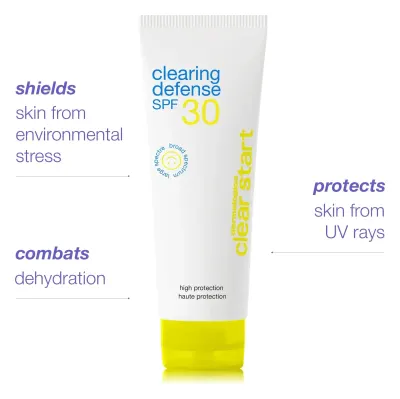
Daily Sunscreens & SPF Moisturizers (4)
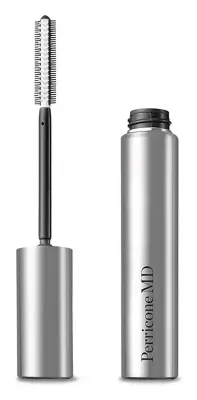
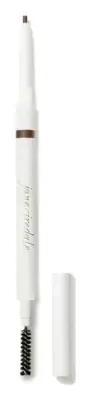
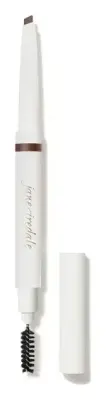
Eye Shadows, Liners, Mascara & Brow Makeup (3)
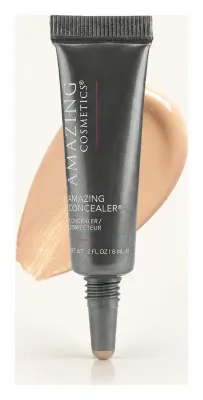
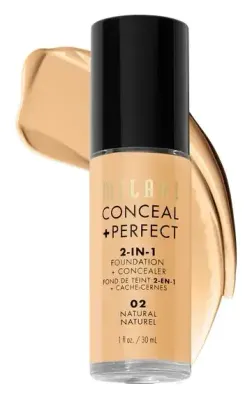
High-Definition Camouflage Concealers (2)
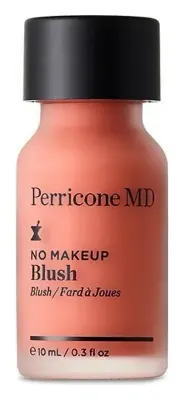
Blush, Bronzers & Highlighters (1)
Common questions
What does VP/eicosene copolymer do?
It is a synthetic film-forming polymer that can help a formula adhere, stay flexible, or keep its texture. It may appear in makeup and skincare.
Is VP/eicosene copolymer an active ingredient?
No. It is mainly a formula helper, not an ingredient intended to change a skin concern. It is a supporting ingredient, not the reason to buy a product.
Is VP/eicosene copolymer a microplastic?
It is a synthetic polymer, but that broad label is not enough to determine whether a material is considered a microplastic. Definitions depend on particle form, size, and environmental context.
Can a film former feel sticky?
It can contribute to how a product feels, but tackiness depends on the whole formula and how much you apply. Letting a thin layer set may help some products wear evenly.