Acrylates Copolymer
What acrylates copolymer does as a cosmetic film former and texture helper, and what to know about this synthetic polymer.
Extremely safeIn 13 products we cover
We may earn a commission when you buy through links on this page. It never changes what we recommend.
Quick facts
- INCI name
- Acrylates Copolymer
- Origin
- Synthetic
- Chemical class
- Synthetic acrylic copolymer
- What it does in a formula
- film forming, viscosity controlling, stabilizing
- Why it is in the formula
- It helps control texture and can form a film that improves how a product applies or wears.
What it is
Acrylates copolymer is a broad INCI term for a synthetic polymer built from acrylic-acid-related monomers. Because a copolymer combines different building blocks, the precise structure varies across suppliers and finished products. That variation means the same label name covers different material profiles in different cosmetics. Formulators use these polymers in lotions, sunscreens, makeup, and gels to adjust texture, stabilize dispersed components, or form a surface film. They are not small-molecule exfoliating acids.
What it does
- Controls texture. Depending on its design, the polymer can help thicken a product or give it a smooth, spreadable consistency.
- Supports stability. Some copolymers help keep pigments or other particles evenly distributed in a formula.
- Forms a film. A thin film can affect how a product applies, dries, or wears on the skin. It is a supporting ingredient, not the reason to buy a product.
Who it suits
Acrylates copolymer is a formula ingredient, not usually a targeted active. Most people will encounter it in a finished product rather than as a material used by itself. Its presence does not tell you whether the product will feel sticky, flexible, or matte; those properties depend on the specific polymer and the rest of the formula. If you have sensitive skin, evaluate the complete product and stop using it if persistent discomfort develops.
The term polymer is broad and should not be treated as a synonym for a particular microplastic. Definitions used in regulation and research depend on features such as physical form, particle size, solubility, and environmental context. The ingredient name alone does not answer those questions. If you are concerned about a product’s environmental profile, look for manufacturer information about the specific material and the finished product rather than assuming every acrylates copolymer behaves identically.
What to pair it with, and what not to
There is no special active to pair with acrylates copolymer. It is usually blended with water, emollients, pigments, or other ingredients to give a finished product its texture and wear. Choose the product for its overall formula and use it according to its directions.
Skin Realist check: A polymer on an ingredient list sounds more like a lab report than a moisturizer. In the formula, it is simply doing texture work.
Quick picks with Acrylates Copolymer
Scent-free, no patch-test flags on the label
COSRX 5 PDRN Hyaluronic Acid Vital Hydrating Hydrogel Mask
PDRN · scent-free label
AmazonBrand lists it for sensitive skin
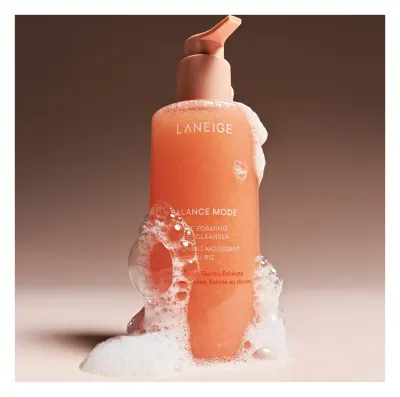
Laneige Balance Mode Rice Foaming Deep Cleanser
Rice-inamide Complex, rice powder, glycolic acid, and ceramide · combination, oily, normal, sensitive skin · scent-free label
AmazonFeatured in our guides
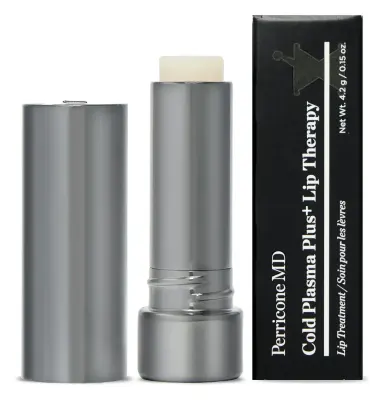
Perricone MD Cold Plasma Plus+ Lip Therapy
Coconut oil, jojoba seed oil, sodium hyaluronate and palmitoyl tripeptide-1 (listed in the manufacturer ingredient list) · scent-free label
Amazon

All 13 products with Acrylates Copolymer
Sheet, Hydrogel & Clay Masks (3)


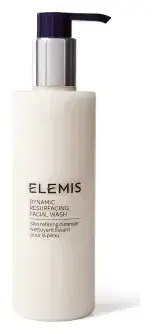
Gel, Foam & Cream Facial Cleansers (3)

Intensive Lip Recovery Masks & Tinted Balms (1)
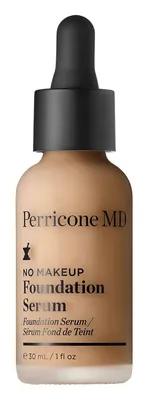
Full-Coverage Camouflage & Liquid Foundations (1)
Premium Double-Cleansing Balms & Melting Gels (1)
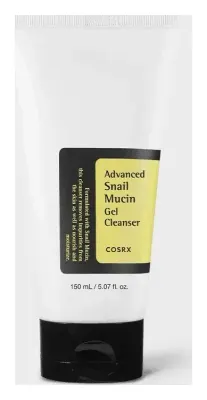
Body Creams, Butters & Body Oils (1)
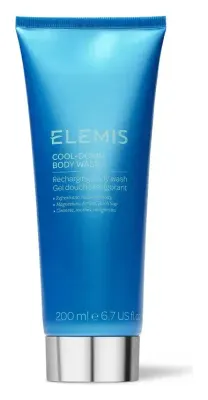
High-Definition Camouflage Concealers (1)
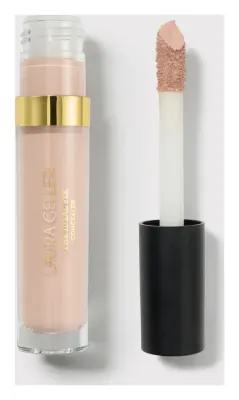
Blush, Bronzers & Highlighters (1)
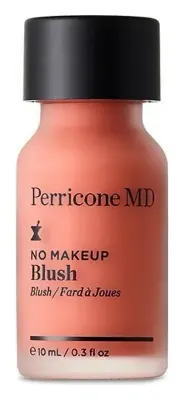
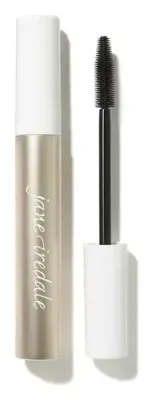
Eye Shadows, Liners, Mascara & Brow Makeup (1)
Common questions
What is acrylates copolymer in skincare?
It is a synthetic polymer made from acrylic-acid-related building blocks. The exact structure and properties can differ across copolymers, so the name does not describe one single material in every formula.
What does acrylates copolymer do?
It may thicken or stabilize a formula, help pigments or other particles stay dispersed, or form a flexible film. Its function depends on the specific copolymer and product.
Is acrylates copolymer a microplastic?
It is a synthetic polymer, but whether a particular polymer falls under a regulatory or scientific definition of microplastic depends on its form, size, solubility, and applicable rules. The ingredient name alone does not settle those details.
Is acrylates copolymer an active ingredient?
Usually not. It is mainly a formula helper that affects texture, stability, or wear rather than a skincare active with a specific visible benefit.