Arachidyl Alcohol
Arachidyl alcohol is a fatty alcohol, not a drying one. See how this waxy ingredient thickens and softens cosmetic formulas.
Extremely safeIn 10 products we cover
We may earn a commission when you buy through links on this page. It never changes what we recommend.
Quick facts
- INCI name
- Arachidyl Alcohol
- CAS number
- 629-96-9
- Origin
- Plant-derived or Synthetic
- Chemical class
- Fatty alcohol
- What it does in a formula
- emollient, viscosity controlling, emulsion stabilizing
- Why it is in the formula
- Adds a soft, waxy feel and helps thicken or stabilize creams and lotions.
What it is
Despite having alcohol in its name, arachidyl alcohol is a waxy fatty alcohol rather than a drying alcohol. It features a long carbon chain that helps soften skin while lending body and stability to creams. If you are comparing it with alcohol denat., the two ingredients have completely different chemical structures and formulation jobs.
Arachidyl alcohol can be derived from plant fatty acids or made through other production routes. Ingredient lists rarely identify the source, so ask the manufacturer if plant or vegan sourcing matters to you. It may appear in lotions, creams, and other formulas where a richer texture or stable emulsion is useful.
What it does
- Softens the skin. As an emollient, it helps smooth the surface and reduce a dry feel.
- Thickens products. Its waxy structure adds body to creams and lotions.
- Supports emulsion stability. It can help an oil-and-water formula keep its intended consistency.
- Improves cushion. It may contribute to a creamy, less runny application.
Who it suits
Arachidyl alcohol can work in formulas designed for dry or normal skin, especially if you like a cushiony moisturizer. If your skin is oily or you dislike a rich finish, you may prefer a lighter product. That preference depends on the complete formula; the ingredient name alone does not predict whether it will feel heavy or cause breakouts.
Old comedogenicity charts are not reliable tools for judging a whole product. A fatty alcohol is not automatically pore-clogging, and it is not automatically right for every person either. Patch-test a new product if you are sensitive, and stop using it if you notice persistent irritation. If a reaction recurs, a dermatologist can help identify the cause rather than leaving you to guess from one label line.
What to pair it with, and what not to
Arachidyl alcohol works inside creams alongside water, oils, and emulsifiers. It can be part of a moisturizer with humectants such as glycerin or hyaluronic acid. You do not need to add anything to counteract it; pick a product texture that feels comfortable.
Skin Realist check: The same last name does not mean the same job. Ingredient families deserve better than guilt by association.
Quick picks with Arachidyl Alcohol
Scent-free, no patch-test flags on the label
COSRX The Ceramide Skin Barrier Moisturizer
scent-free label
AmazonBrand lists it for sensitive skin
Dermalogica powerbright dark spot peel
Glycolic acid, mandelic acid, niacinamide, tranexamic acid, omega-3 algae blend and turmeric butter blend · oily, dry, combination, sensitive, normal skin · scented
AmazonBrand lists it for oily skin
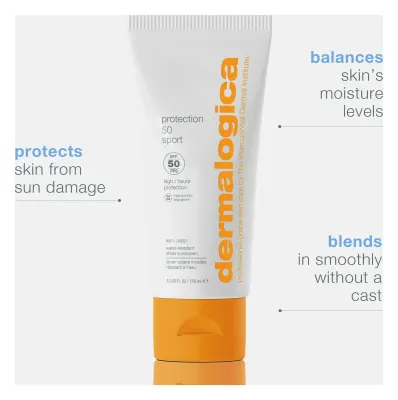
Dermalogica protection 50 sport spf50
oily, dry, combination, sensitive, normal skin · scent-free label
Amazon


All 10 products with Arachidyl Alcohol
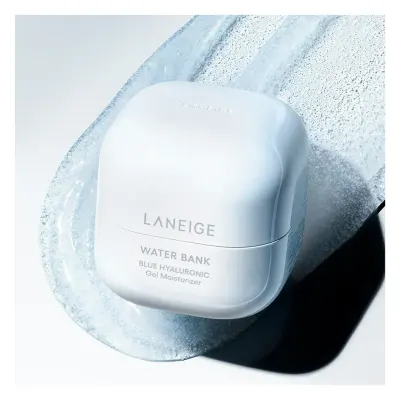
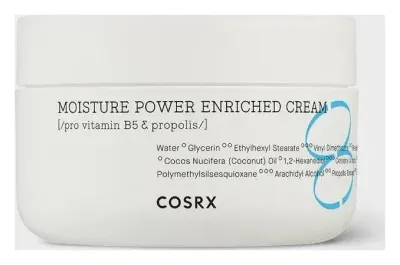
Daily Moisturizers & Water Gel Creams (3)

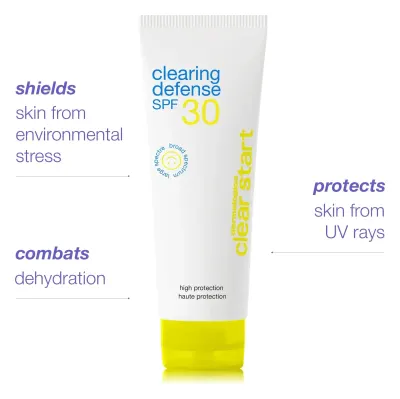
Daily Sunscreens & SPF Moisturizers (2)
Anti-Aging & Retinoid Serums (1)

Skin Barrier Repair Creams & Recovery Jars (1)
Targeted Vitamin C & Brightening Correctors (1)
Sheet, Hydrogel & Clay Masks (1)

Eye Creams & Under-Eye Patches (1)

Common questions
Is arachidyl alcohol a drying alcohol?
No. Arachidyl alcohol is a fatty alcohol, a waxy ingredient used to soften and thicken formulas. It is different from drying alcohols such as alcohol denat.
What does arachidyl alcohol do in a moisturizer?
It acts as an emollient and thickener, helping a cream feel richer and stay stable. It is a supporting ingredient, not a treatment active.
Is arachidyl alcohol plant-derived?
It can be derived from plant fatty acids or made through other production routes. The label does not usually identify the source, so check with the manufacturer if it matters.
Does arachidyl alcohol clog pores?
No ingredient-only rating can reliably predict whether a finished product will clog pores. The whole formula and your skin response matter more than a score.