Bentonite
What bentonite clay does in skincare, why it absorbs oil and thickens masks, and how to avoid an overly dry feel.
Extremely safeIn 10 products we cover
We may earn a commission when you buy through links on this page. It never changes what we recommend.
Quick facts
- INCI name
- Bentonite
- Origin
- Mineral
- Chemical class
- Absorbent clay (smectite)
- What it does in a formula
- absorbent, viscosity controlling, opacifying
- Why it is in the formula
- Absorbs oil and helps give masks, cleansers, or powders body and structure.
What it is
Formed largely from weathered volcanic ash rich in smectite minerals, bentonite is a naturally occurring mineral clay used across cosmetic formulations. Unlike botanical powders, it is a mined, purified mineral ingredient. In face masks, cleansers, and loose powders, it serves as an absorbent and thickening agent.
The clay’s structure allows it to take up water and interact with oils. That is why it can make a mask feel thick and temporarily absorb some surface oil. Bentonite is not a pore-cleaning treatment or a permanent oil-control solution. In a finished product, it works alongside water, emollients, and other ingredients that determine how the mask feels and rinses away.
What it does
- Absorbs surface oil. Bentonite can take up oil, which may leave skin feeling less slick after a rinse-off mask.
- Thickens products. It adds body to a paste or mask and can help keep ingredients suspended.
- Adds an opaque mineral texture. The clay contributes to the appearance and spread of a formula.
- Acts as a helper. It changes product texture and feel; it is not a substitute for a skincare plan.
Who it suits
People with oily skin may enjoy an occasional clay mask, while dry or easily irritated skin may find the same product too tight or drying. You do not need a mask to absorb all oil for skincare to be effective. Use the product according to its directions, and do not wait for it to crack or feel uncomfortable before rinsing unless its instructions say otherwise.
Clay products are not all identical. A mask with bentonite may also contain fragrance, acids, or other ingredients that affect its feel. If you have sensitive skin, try a small area first and keep use modest. Stop if you feel burning or persistent irritation. For a skin condition or ongoing irritation, ask a dermatologist.
What to pair it with, and what not to
A bentonite mask does not need another active to improve its function. After rinsing, use a moisturizer that suits your skin, such as one with glycerin or ceramides. Avoid using a clay mask and several drying or exfoliating products at once if your skin tends to feel tight.
Skin Realist check: A mask does not need to dry into a tiny landscape painting to have done its job.
Quick picks with Bentonite
Scent-free, no patch-test flags on the label
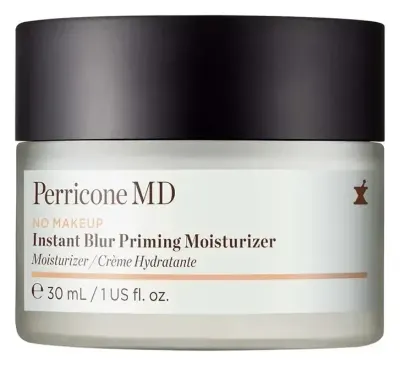
Perricone MD No Makeup Instant Blur Priming Moisturizer
Glycerin, silica, thioctic acid and peptides · scent-free label
AmazonBrand lists it for sensitive skin
Dermalogica biolumin-c heat aging protector spf50
Ultra-stable vitamin C complex, ThermaRadiance Complex, Physalis, vitamin E, safflower oleosomes · combination, dry, normal, oily, sensitive skin · scented
AmazonBrand lists it for oily skin
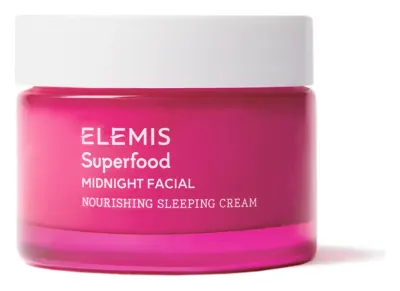
Elemis Superfood Midnight Facial
Cocoa seed butter, banana flower extract, camu camu, and prebiotic alpha-glucan oligosaccharide · combination, dry, normal, oily skin · scented
Amazon

All 10 products with Bentonite
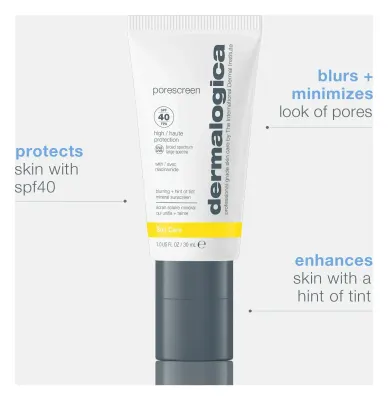
Daily Sunscreens & SPF Moisturizers (2)
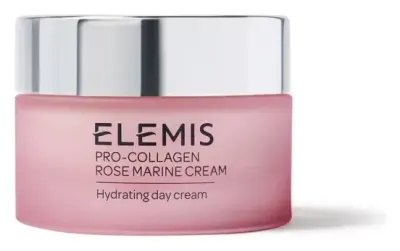
Daily Moisturizers & Water Gel Creams (2)

Premium Overnight Recovery Packs & Sleeping Facials (1)
Mineral Pressed Powders & Skin-Nourishing Primers (1)
Sheet, Hydrogel & Clay Masks (1)
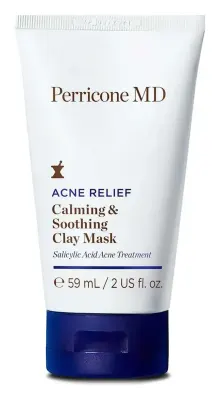
Hydrating Serums, Essences & Ampoules (1)
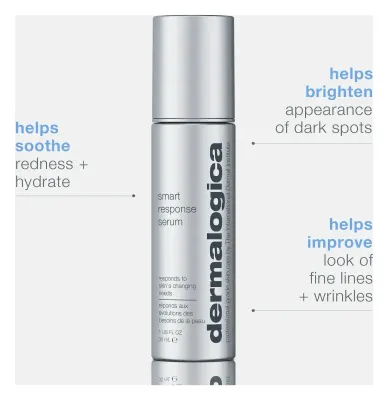
Cream & Gel Treatment Masks (1)
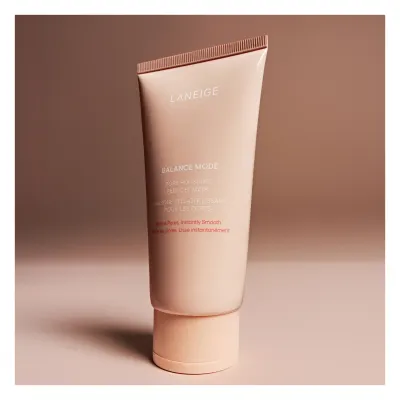
Gel, Foam & Cream Facial Cleansers (1)
Common questions
What does bentonite do in skincare?
Bentonite is a mineral clay used to absorb oil and help thicken or add structure to products such as masks. It is not a plant extract.
Is bentonite good for oily skin?
A clay mask may temporarily absorb surface oil, which some people with oily skin like. It can also leave skin feeling dry or tight, so the formula and use frequency matter.
Can bentonite dry out skin?
Clay can absorb oil and may feel drying, especially if a mask is left on until it feels very tight or used often. Follow its directions and rinse as directed.
Is bentonite natural?
It is a naturally occurring mineral clay formed from weathered volcanic ash. Cosmetic-grade bentonite is processed for use in products.