Beta-Carotene
What beta-carotene does in cosmetics, why it colors some formulas orange, and how color additives differ from skincare actives.
Extremely safeIn 12 products we cover
We may earn a commission when you buy through links on this page. It never changes what we recommend.
Quick facts
- INCI name
- Beta-Carotene
- CAS number
- 7235-40-7
- Origin
- Plant-derived or Synthetic
- Chemical class
- Carotenoid pigment
- What it does in a formula
- colorant, antioxidant
- Why it is in the formula
- Often used in cosmetics for orange color, with antioxidant properties also associated with the molecule.
- Regulatory notes
- U.S. color additives must be FDA-approved for their intended uses; some require batch certification and others are exempt.
What it is
Although widely known as a dietary nutrient found in colorful vegetables, beta-carotene is an orange carotenoid pigment used in cosmetics for color and skin conditioning. Manufacturers can source it from plants or produce it synthetically. Its appearance on a topical skincare label does not specify the origin or indicate internal nutritional effects.
In cosmetics, beta-carotene may function as a colorant and an antioxidant. Its orange pigment often has the more visible role in tinted products, while antioxidant properties may be part of why it is included in a skin-care formula. It is not the same ingredient as retinol, and a product with beta-carotene should not be treated as a substitute for a retinoid or sunscreen.
What it does
- Adds orange color. Beta-carotene can tint a cosmetic and contribute to the desired shade.
- Helps formulate a shade. In makeup or tinted skincare, it can be blended with other pigments to create the intended color.
- Offers antioxidant properties. The molecule can act as an antioxidant, but the label alone does not show how much it contributes in a particular formula.
- Acts as a supporting ingredient. It is not necessarily the main reason to choose a moisturizer or treatment.
Who it suits
If you are choosing a product for color, judge the finished shade on your skin rather than assuming the beta-carotene line determines its appearance. The base formula and other pigments matter. If you are seeking an active for a particular skin concern, look at the product’s full formulation and evidence rather than relying on the ingredient name alone.
In the United States, color additives must be FDA-approved for their intended uses. Some require batch certification and others are exempt from certification, but exemption does not mean an ingredient has no requirements. A label may use a color’s common or CI name. If you have a known sensitivity, check the complete ingredient list and any product-specific information.
What to pair it with, and what not to
There is no special pairing required for beta-carotene. Use the product according to its directions, and keep sunscreen as a separate daytime step. Do not treat a carotenoid in a cosmetic as sun protection or as a replacement for a retinoid that was recommended by a dermatologist.
Skin Realist check: Orange is a color, not a skincare plan. Let the formula do its quiet job.
Quick picks with Beta-Carotene
Scent-free, no patch-test flags on the label
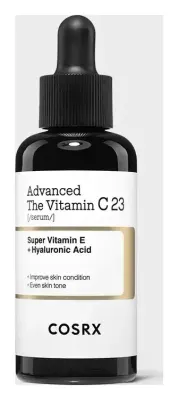
COSRX Advanced The Vitamin C 23 Serum
Ascorbic Acid (Vitamin C) 23% · scent-free label
AmazonBrand lists it for sensitive skin
Perricone MD High Potency Triple Retinol Renewal Serum
Triple retinol blend, coenzyme Q10, and beta-carotene · oily, dry, combination, sensitive, normal skin · scent-free label
AmazonBrand lists it for oily skin
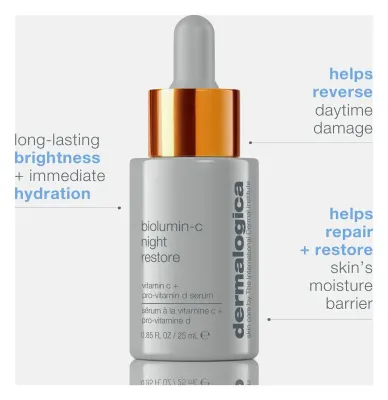
Dermalogica biolumin-c heat aging protector spf50
Ultra-stable vitamin C complex, ThermaRadiance Complex, Physalis, vitamin E, safflower oleosomes · combination, dry, normal, oily, sensitive skin · scented
Amazon


All 12 products with Beta-Carotene
Anti-Aging & Retinoid Serums (3)


Daily Moisturizers & Water Gel Creams (3)



Targeted Vitamin C & Brightening Correctors (2)
Daily Sunscreens & SPF Moisturizers (1)
Cream & Gel Treatment Masks (1)

Premium Double-Cleansing Balms & Melting Gels (1)
Eye Creams & Under-Eye Patches (1)

Common questions
What is beta-carotene in skincare?
Beta-carotene is an orange carotenoid found in plants and also made for use in products. In cosmetics it may function as a colorant and antioxidant.
Why is beta-carotene in a moisturizer?
It can add an orange tint to a formula and may also be included for its antioxidant properties. The ingredient list does not tell you which role is most important in a specific product.
Does beta-carotene turn skin orange?
A product's color and transfer depend on the formula and amount used. Follow the directions and check whether a formula is meant to be rinsed off or left on.
Is beta-carotene a form of retinol?
No. It is a carotenoid that the body can convert to vitamin A, but that does not make topical beta-carotene the same ingredient as retinol.