Beta-Sitosterol
What beta-sitosterol does as a plant sterol and emollient, where it comes from, and how it fits into a moisturizing formula.
Extremely safeIn 6 products we cover
We may earn a commission when you buy through links on this page. It never changes what we recommend.
Quick facts
- INCI name
- Beta-Sitosterol
- CAS number
- 83-46-5
- Origin
- Plant-derived
- Chemical class
- Phytosterol
- What it does in a formula
- skin conditioning, emollient
- Why it is in the formula
- It contributes a skin-conditioning lipid to help soften the feel of a cream or balm.
What it is
Despite sharing a related sterol chemical structure with cholesterol, beta-sitosterol is a plant-derived phytosterol rather than an animal lipid. Found naturally in nuts, seeds, and vegetable oils, it serves as an emollient and skin conditioner in creams, balms, and barrier-supportive formulas. It should not be confused with true cholesterol, though both function as cosmetic lipids.
What it does
- Softens skin. Its lipid-like nature can contribute to a smooth, conditioned feel.
- Supports the oil phase. It fits into formulas with other emollients and can help give creams or balms a richer texture.
- Contributes plant-derived conditioning. It can play a supporting role in a moisturizing formula, rather than acting as a stand-alone treatment.
Who it suits
Beta-sitosterol may be found in formulas intended to soften or condition skin. People who prefer a light texture may choose a formula where it is one of several ingredients rather than a heavy balm. The ingredient name does not reveal the amount used or predict how the whole product will feel. If you have a plant allergy or a known sensitivity to a product, review the source and complete ingredient list with the manufacturer or a clinician.
Do not assume that beta-sitosterol is identical to cholesterol because both are sterols. Their sources and chemical details differ. It is also not a treatment for a medical condition, and a cosmetic product containing it should be chosen for its overall formula and intended use. Stop using any product that causes persistent irritation and consult a dermatologist if symptoms continue.
What to pair it with, and what not to
Beta-sitosterol can be included alongside other emollients and moisturizers, including squalane or ceramides. It does not need a specific active pairing. Choose a formula whose overall texture suits you.
Skin Realist check: A familiar-sounding lipid can still be a supporting ingredient. Moisture care does not need a complicated plot twist.
Quick picks with Beta-Sitosterol
Scent-free, no patch-test flags on the label
Perricone MD High Potency Triple Retinol Renewal Serum
Triple retinol blend, coenzyme Q10, and beta-carotene · oily, dry, combination, sensitive, normal skin · scent-free label
AmazonBrand lists it for sensitive skin
Dermalogica powerbright dark spot peel
Glycolic acid, mandelic acid, niacinamide, tranexamic acid, omega-3 algae blend and turmeric butter blend · oily, dry, combination, sensitive, normal skin · scented
AmazonBrand lists it for oily skin
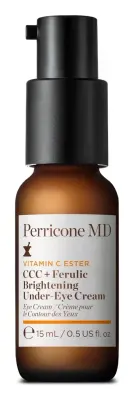
Perricone MD Vitamin C Ester CCC + Ferulic Brightening Under-Eye Cream
Vitamin C Ester and ferulic acid · oily, dry, combination, sensitive, normal skin · scent-free label
Amazon


All 6 products with Beta-Sitosterol
Eye Creams & Under-Eye Patches (2)

Anti-Aging & Retinoid Serums (1)
Targeted Vitamin C & Brightening Correctors (1)
Daily Moisturizers & Water Gel Creams (1)

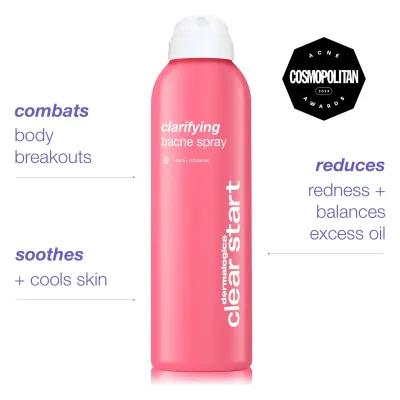
Body Creams, Butters & Body Oils (1)
Common questions
What is beta-sitosterol in skincare?
Beta-sitosterol is a plant sterol, a lipid-like compound found in many plants. In cosmetics it is used as a skin-conditioning and emollient ingredient.
What does beta-sitosterol do for skin?
It can help soften and condition the skin as part of a cream or balm. The whole formula determines the product's feel and performance.
Is beta-sitosterol the same as cholesterol?
No. Beta-sitosterol is a plant sterol, while cholesterol is a different sterol found in animals and in human skin. They share a broad chemical family but are not interchangeable ingredients.
Is beta-sitosterol an active ingredient?
It may be marketed as a skin-supporting ingredient, but its common cosmetic role is conditioning and emollience. It is not a stand-alone treatment for a skin condition.