C15-19 Alkane
A lightweight emollient blend of hydrocarbon chains that gives creams and makeup a smooth, silky glide.
Extremely safeIn 12 products we cover
We may earn a commission when you buy through links on this page. It never changes what we recommend.
Quick facts
- INCI name
- C15-19 Alkane
- Origin
- Plant-derived or Synthetic
- Chemical class
- Hydrocarbon emollient blend
- What it does in a formula
- emollient, solvent, skin conditioning
- Why it is in the formula
- It softens and lubricates a formula while giving it a lighter, less greasy slip than some oils.
What it is
Listed on cosmetic labels to designate a blend of saturated hydrocarbons, C15-19 alkane contains molecules with carbon chains between 15 and 19 atoms long. It acts as a smooth emollient and solvent across creams and color cosmetics. While the name defines the chain length boundaries, it does not reveal the exact raw feedstock or whether plant-based or synthetic starting materials were used.
It can appear in moisturizers, foundations, sunscreens, and other formulas where a light, smooth oil-like feel is desired. Compared with some heavier oils, it can feel more fluid and less greasy, though the finished texture depends on the rest of the product.
What it does
- Softens skin. C15-19 alkane leaves an emollient layer that helps skin feel smooth.
- Improves glide. It can make creams and makeup easier to spread without a heavy oil sensation.
- Dissolves oil-soluble materials. Its solvent role can help incorporate other ingredients into the formula.
- Changes the finish. It may contribute a silky or dry-touch feel depending on how it is combined with other emollients.
Who it suits
C15-19 alkane may suit people who want an emollient product but prefer a lighter finish than some plant oils or butters. It can also appear in formulas for oily or combination skin because the texture may be less rich, but that does not guarantee that every product will feel comfortable for everyone. The complete formula and how much you use matter.
There are no reliable comedogenic scores that predict how an individual product will affect your skin. If you prefer to avoid oils or certain hydrocarbon ingredients, choose a formula that fits your preferences rather than relying on internet rankings. For sensitive skin, introduce a new product on its own and stop if it causes persistent discomfort.
What to pair it with, and what not to
This emollient does not need a special active alongside it. It can be used in the same product with humectants, emulsifiers, and other emollients to balance the finish. Apply the finished formula according to its directions and choose it based on how it feels on your skin.
Skin Realist check: Silky does not have to mean heavy. Sometimes the nicest texture is the one you barely notice.
Quick picks with C15-19 Alkane
Scent-free, no patch-test flags on the label
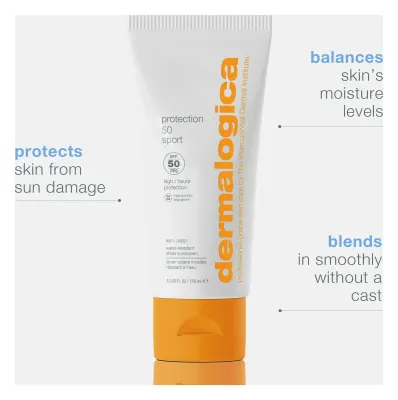
Dermalogica protection 50 sport spf50
oily, dry, combination, sensitive, normal skin · scent-free label
AmazonBrand lists it for sensitive skin
Dermalogica biolumin-c vitamin c eye serum
Vitamin C complex, Arjun tree extract, chia seed oil, Tremella mushroom, micro-algae and Poria mushroom · oily, dry, combination, sensitive, normal skin · scented
AmazonBrand lists it for oily skin
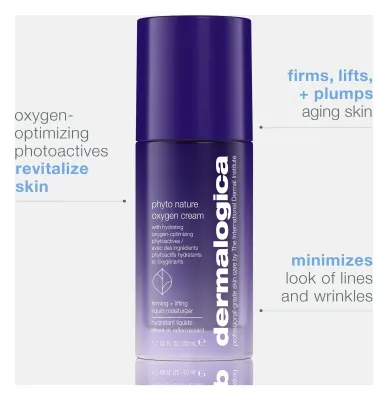
Dermalogica phyto nature oxygen cream
Ligustrum lucidum seed extract, glycogen, and nasturtium flower · oily, dry, combination, sensitive, normal skin · scented
Amazon

All 12 products with C15-19 Alkane
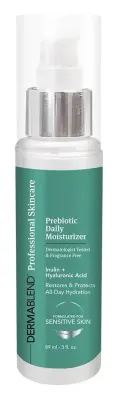
Daily Moisturizers & Water Gel Creams (4)


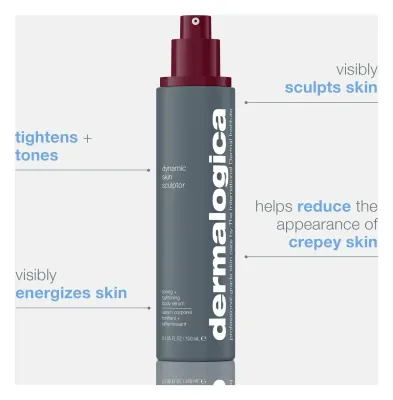
Body Creams, Butters & Body Oils (2)

High-Definition Camouflage Concealers (2)
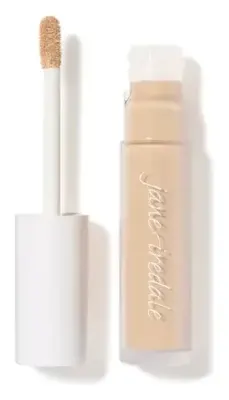
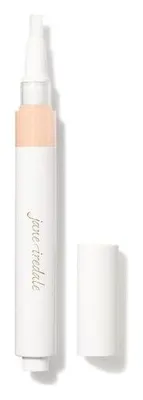
Eye Creams & Under-Eye Patches (1)
Daily Sunscreens & SPF Moisturizers (1)
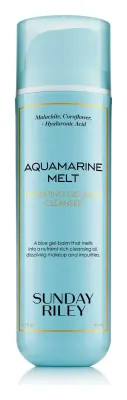
Premium Double-Cleansing Balms & Melting Gels (1)
Anti-Aging & Retinoid Serums (1)

Common questions
What does C15-19 alkane do in skincare?
It is an emollient that helps soften skin and gives products a smooth, lubricating feel. It may also act as a solvent for oil-soluble ingredients.
Is C15-19 alkane the same as mineral oil?
They are both hydrocarbon-based emollients, but they are not the same ingredient. Their composition and texture can differ depending on the material and formula.
Is C15-19 alkane natural?
The INCI name describes a range of hydrocarbon chain lengths, not a source. Cosmetic alkanes may be produced from different feedstocks, so the label alone does not establish whether this one is plant-derived or synthetic.
Is C15-19 alkane comedogenic?
Comedogenic ratings are unreliable and do not predict how a finished product will behave for you. The whole formula, how much you apply, and your own experience are more useful guides.