Calendula
What calendula does in skincare, how it is used in formulas, and what to know if your skin is sensitive to botanicals.
Extremely safeProbably fineIn 6 products we cover
We may earn a commission when you buy through links on this page. It never changes what we recommend.
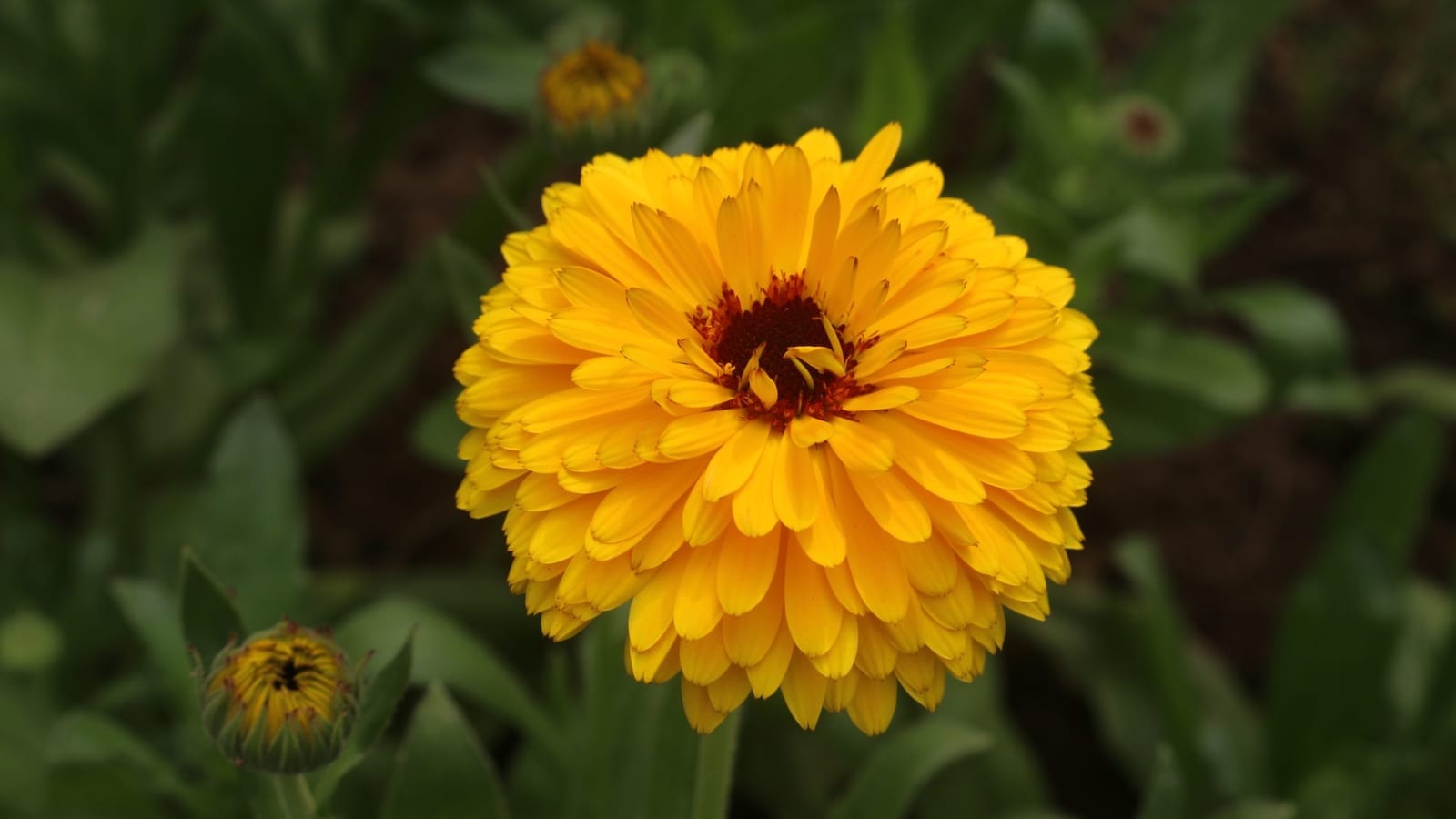
What it is
Calendula is a flowering plant, commonly identified in ingredient lists as Calendula Officinalis. Skincare products generally use a flower extract rather than the whole flower. You may see it in moisturizers, balms, cleansers and other products marketed for dry or easily unsettled skin. “Calendula” on a label does not tell you the extraction method, concentration or the rest of the formula, and products can use different extract types and amounts.
What it does
- Conditions the skin. Calendula-derived ingredients are used as skin-conditioning agents, helping a formula leave skin feeling comfortable.
- Adds a botanical component. Extracts contain plant-derived compounds, but the specific composition depends on the extract and processing. A label alone does not establish how much is present.
- Supports a soothing feel. It is often included in products intended to feel gentle. That is a formulation goal, not a guarantee that every person will find a product calming.
Who it suits
Calendula may interest you if you prefer botanical ingredients or are looking for a moisturizer or balm that leaves skin feeling soft. It is not a required step, and a straightforward moisturizer without calendula can serve the same basic moisturizing role. If you know you react to ragweed, chrysanthemums or related daisy-family plants, take extra care with calendula products because cross-reactions are possible. “Natural” does not mean reaction-proof. Check the complete ingredient list too, since fragrance and other botanicals may matter more to your skin than calendula itself. A dermatologist can help if you have ongoing irritation or a diagnosed skin condition.
What to pair it with, and what not to
Calendula can sit alongside familiar moisturizing ingredients such as ceramides, glycerin and squalane. There is no special pairing required for it to work as part of a cosmetic formula. If your routine includes retinoids or exfoliating acids, introduce the calendula product separately rather than changing everything at once; that makes reactions easier to trace. Do not rely on a calendula product to offset irritation from a strong active. Follow the active’s directions and speak with a dermatologist about persistent symptoms.
Skin Realist check: A flower on the label can sound soothing before you even open the jar. Let the whole formula, not its garden-party name, earn a place in your routine.
How it appears on labels: Calendula Officinalis (Marigold) Flower Extract; Calendula Officinalis Flower Extract; Calendula Officinalis (Calendula) Flower Extract*; Calendula Oinalis Flower Oil; Calendula Officinalis Flower Oil
Quick picks with Calendula
Brand lists it for oily skin
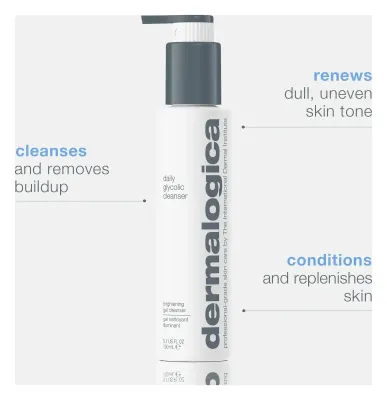
Dermalogica daily glycolic cleanser
Glycolic acid, jojoba seed oil and calendula extract · normal, combination, oily skin · scented
Amazon
All 6 products with Calendula
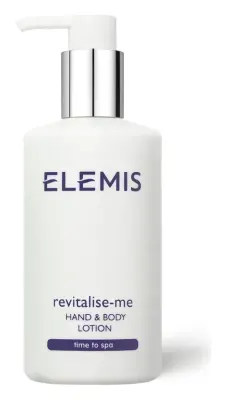
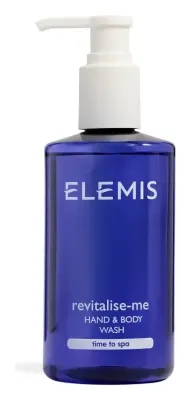
Body Creams, Butters & Body Oils (2)
Gel, Foam & Cream Facial Cleansers (1)
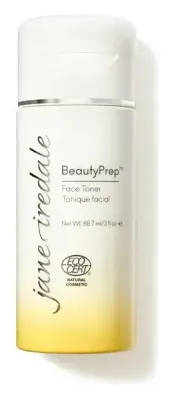
Hydrating Toners, Essence Waters & Face Mists (1)
Hydrating Serums, Essences & Ampoules (1)

Full-Coverage Camouflage & Liquid Foundations (1)

Common questions
What is calendula in skincare?
Calendula is a plant in the daisy family, usually listed as Calendula Officinalis Flower Extract or a similar flower-derived ingredient. Cosmetic formulas use it in products such as creams, lotions and cleansers. The exact extract and its amount can vary from one product to another.
What does calendula do for skin?
Calendula is included in skincare for its conditioning and soothing properties. It can contribute to a comfortable, moisturized feel, but the overall formula matters more than the presence of one botanical. It should not be treated as a replacement for care from a dermatologist.
Can calendula irritate sensitive skin?
It can bother some people, particularly those who react to plants in the daisy family, which includes ragweed. A product can also contain fragrance or other ingredients that cause a reaction. Patch-test a new formula and stop using it if irritation develops.
Can I use calendula with retinol?
There is no general ingredient conflict that rules out using them together. If retinol already makes your skin feel dry or reactive, add only one new product at a time so you can tell what your skin tolerates. Follow the product directions and use sunscreen during the day.