Cellulose Gum
What Cellulose Gum does in skincare, its usual role in cosmetic formulas, who may prefer it, and what to know before using it.
Extremely safeIn 23 products we cover
We may earn a commission when you buy through links on this page. It never changes what we recommend.
Quick facts
- INCI name
- Cellulose Gum
- Origin
- Plant-derived or Synthetic
- Chemical class
- Modified cellulose polymer
- What it does in a formula
- viscosity controlling, stabilizing, binding
- Why it is in the formula
- Usually added to thicken, stabilize, or bind a product so its texture stays even.
What it is
To build smooth viscosity and stabilize emulsions in water-based skincare, formulators turn to cellulose gum, also known as carboxymethyl cellulose. Made by chemically modifying natural plant cellulose, it easily disperses in water to create uniform gels and creams. It serves as a functional rheology modifier rather than an active treatment ingredient.
You may find it in gels, lotions, cleansers, and makeup. It changes how a product flows and helps keep particles or droplets from settling too quickly. It is a supporting ingredient, not the reason to buy a product, and its texture role can vary with the rest of the recipe.
What it does
- Thickens formulas. It can give a watery product more body or help a gel hold its shape.
- Helps stabilize mixtures. Its structure can slow separation or settling in some formulas.
- Binds ingredients. It may help powders or other components stay distributed through a product.
This ingredient is a supporting part of a finished formula. Its contribution can vary with product type, manufacturing, and other materials used alongside it. Ingredient lists are not concentration labels, so they cannot tell you how strong a particular effect will be.
Who it suits
Cellulose gum is not an exfoliant or an active intended to change skin tone. It is commonly used to adjust the texture of products made for many skin types. The word gum here means a thickener, not chewing gum or a plant sap extract.
The overall texture and the rest of the ingredient list matter as much as this one name. If a new product causes persistent discomfort, stop using it and ask a dermatologist for advice. Patch-testing can help you introduce unfamiliar formulas more cautiously.
What to pair it with, and what not to
There is no special pairing step for cellulose gum. You may see it alongside other texture agents, such as xanthan gum or carbomer, because formulators combine thickeners to reach a specific feel. Focus on whether the finished product spreads and wears the way you like. There is no need to build a routine around this ingredient alone. Choose compatible textures, follow product directions, and let the complete formula do its intended job.
Skin Realist check: Not every useful ingredient needs to be visible in the mirror. Sometimes the best texture is the one you do not have to think about.
Quick picks with Cellulose Gum
Scent-free, no patch-test flags on the label
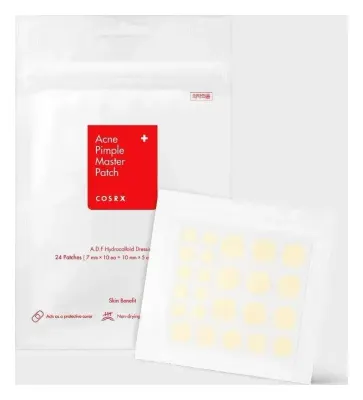
COSRX Acne Pimple Master Patch
Hydrocolloid · scent-free label
AmazonBrand lists it for sensitive skin
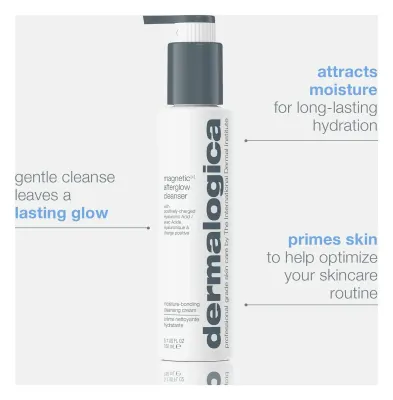
Dermalogica magnetic[+] afterglow cleanser
Positively charged hyaluronic acid, murumuru butter, oat, lotus root extract, and 10% glycerin · oily, dry, combination, sensitive, normal skin · scented
AmazonBrand lists it for dry skin
Dermalogica phyto nature lifting eye cream
Peptides, Astragalus, Electric Daisy Flower, CoQ10 · dry skin · scented
Amazon

All 23 products with Cellulose Gum
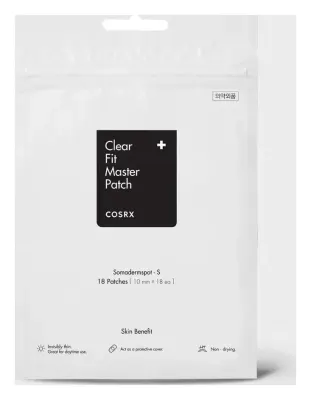
Pimple Patches & Overnight Spot Treatments (5)



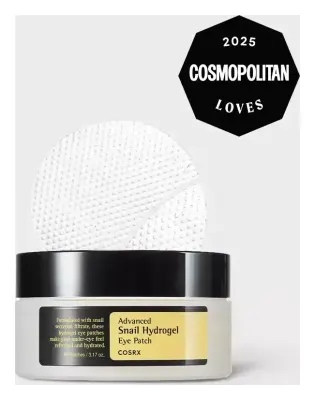
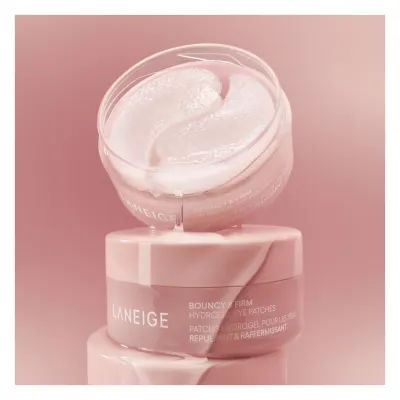
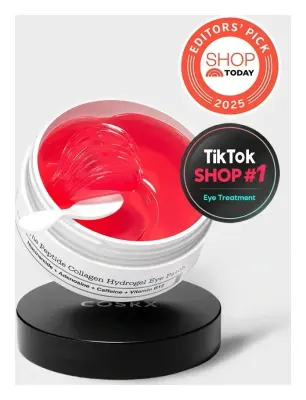
Eye Creams & Under-Eye Patches (5)

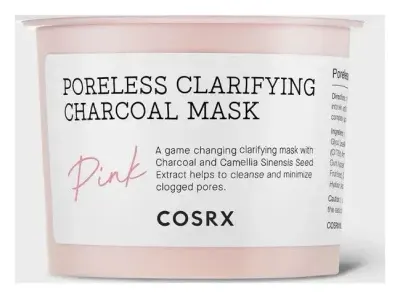
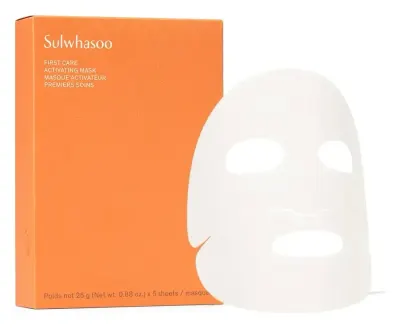
Sheet, Hydrogel & Clay Masks (5)



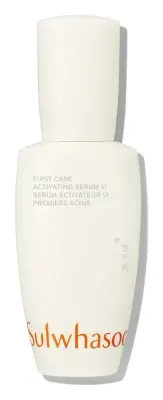
Hydrating Serums, Essences & Ampoules (1)
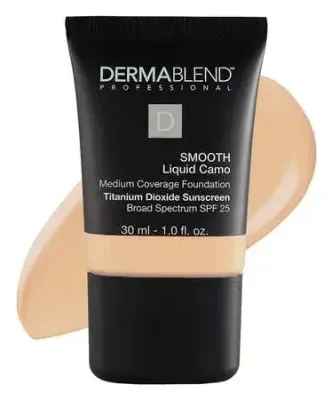
Full-Coverage Camouflage & Liquid Foundations (1)
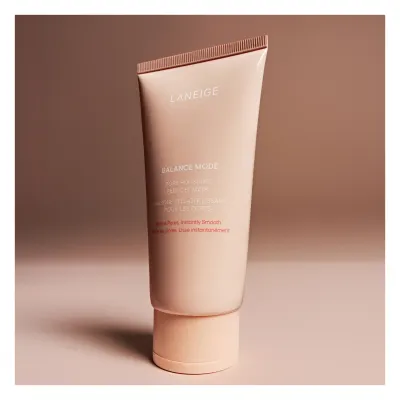
Gel, Foam & Cream Facial Cleansers (1)
Premium Overnight Recovery Packs & Sleeping Facials (1)

Cream & Gel Treatment Masks (1)
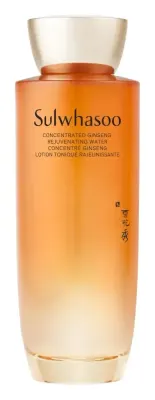
Hydrating Toners, Essence Waters & Face Mists (1)
High-Definition Camouflage Concealers (1)
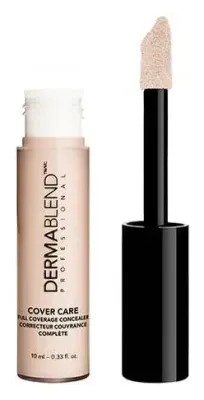
Targeted Vitamin C & Brightening Correctors (1)
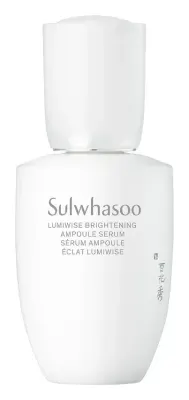
Common questions
What does cellulose gum do in skincare?
It is used as a thickener, binder, and stabilizer. These jobs help a formula hold its intended texture and keep ingredients more evenly distributed.
Is cellulose gum natural?
It is based on cellulose, which is found in plants, but cosmetic cellulose gum is chemically modified. The label does not specify its original plant source.
Is cellulose gum the same as carboxymethyl cellulose?
Cellulose gum is commonly associated with carboxymethyl cellulose. Ingredient naming can vary by material and jurisdiction, so check the specific product context.