Ceteareth-20
What Ceteareth-20 does as an ethoxylated emulsifier, why it helps creams stay mixed, and what to know about manufacturing impurities.
Extremely safeIn 5 products we cover
We may earn a commission when you buy through links on this page. It never changes what we recommend.
Quick facts
- INCI name
- Ceteareth-20
- Origin
- Synthetic
- Chemical class
- Ethoxylated fatty alcohol
- What it does in a formula
- emulsifying, surfactant, stabilizing
- Why it is in the formula
- Helps keep oils and water mixed in creams, lotions, and other emulsions.
What it is
Chemically classified as an ethoxylated fatty alcohol, ceteareth-20 serves as an oil-in-water emulsifier across creams and lotions. By helping immiscible water and oil phases remain uniformly dispersed, it prevents finished formulas from separating. Although synthesized using cetearyl alcohol as a starting material, it is a chemically distinct polyoxyethylene ether.
Ethoxylated ingredients can have 1,4-dioxane as a possible manufacturing byproduct. That impurity is not the function of Ceteareth-20, and reputable manufacturers control it through processing and quality checks. This is a manufacturing-quality matter, not a reason to assume a finished product contains a harmful level. Ceteareth-20 is a supporting ingredient that helps a formula hold together, rather than a skin active.
What it does
- Emulsifies oil and water. It helps prevent phases from separating in lotions and creams.
- Supports product consistency. An emulsion can feel and dispense more evenly from use to use.
- Works with thickeners and emollients. It can be combined with other structure ingredients to shape the product’s body and spread.
Who it suits
Ceteareth-20 appears in a range of finished products for different skin types. Its presence does not indicate whether a formula will feel rich, light, or irritating; the full ingredient blend matters. You do not need to seek it out as an active, and you do not have to reject a moisturizer solely because it contains an ethoxylated ingredient.
If you are concerned about manufacturing impurities, understand that 1,4-dioxane is a possible byproduct of ethoxylation and that quality controls are used to reduce impurities. The ingredient list cannot tell you a finished product’s test results. If you have a known sensitivity or recurring reaction, check the full formula and ask a dermatologist for help identifying triggers. Patch-test new products when appropriate.
What to pair it with, and what not to
Ceteareth-20 does not need a separate routine step; it is part of the emulsion. It may appear with humectants such as glycerin and emollients such as squalane. Choose the moisturizer for its complete formula and feel.
Skin Realist check: A cream staying together is a quiet engineering win, not a reason to fear the ingredient list.
Quick picks with Ceteareth-20
Scent-free, no patch-test flags on the label
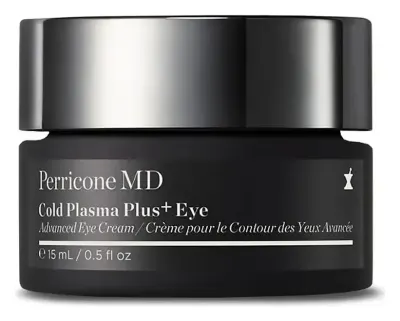
Perricone MD Cold Plasma Plus+ Advanced Eye Cream
Vitamin C Ester, omegas 3, 6 and 9, and peptides · scent-free label
AmazonBrand lists it for sensitive skin
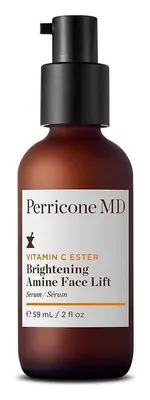
Perricone MD Vitamin C Ester Brightening Amine Face Lift
Vitamin C Ester, glycolic acid and copper complex · oily, dry, combination, sensitive, normal skin · scented
AmazonFeatured in our guides
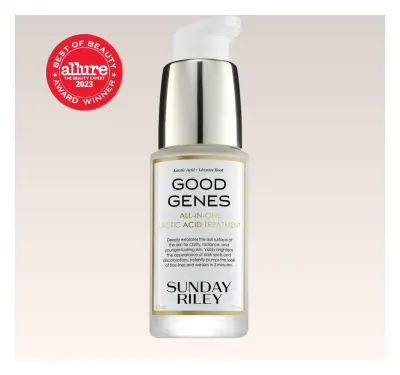
Sunday Riley Good Genes All-In-One Lactic Acid Treatment
Lactic Acid · scented
Amazon
All 5 products with Ceteareth-20
Dermatological Acne & Chemical Exfoliating Liquids (1)
Eye Creams & Under-Eye Patches (1)
Targeted Vitamin C & Brightening Correctors (1)
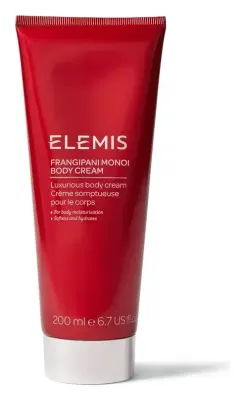
Body Creams, Butters & Body Oils (1)
Anti-Aging & Retinoid Serums (1)

Common questions
What is Ceteareth-20 in skincare?
Ceteareth-20 is an ethoxylated fatty alcohol used mainly as an emulsifier. It helps oil and water stay mixed in creams and lotions.
Does Ceteareth-20 contain 1,4-dioxane?
Ethoxylation can generate 1,4-dioxane as a manufacturing byproduct. It is not the intended ingredient, and reputable manufacturers control impurities through processing and quality checks.
Is Ceteareth-20 a fatty alcohol?
It is made from a fatty alcohol starting material, but Ceteareth-20 is an ethoxylated ingredient with a different structure and formulation role. It is not the same as plain cetearyl alcohol.
Is Ceteareth-20 bad for your skin?
The ingredient name alone cannot predict how a finished formula will suit you. Consider the full product and patch-test if your skin is sensitive.