Cetyl Palmitate
What Cetyl Palmitate does in skincare, its usual role in cosmetic formulas, who may prefer it, and what to know before using it.
Extremely safeIn 9 products we cover
We may earn a commission when you buy through links on this page. It never changes what we recommend.
Quick facts
- INCI name
- Cetyl Palmitate
- CAS number
- 540-10-3
- Origin
- Plant-derived or Synthetic
- Chemical class
- Fatty acid ester (wax ester)
- What it does in a formula
- emollient, viscosity controlling, skin conditioning
- Why it is in the formula
- Usually used as an emollient and texture agent to give products a smooth, waxy feel.
What it is
Classified as a waxy fatty ester, cetyl palmitate is formed by reacting cetyl alcohol with palmitic acid. Both constituent parts can be derived from plant sources or manufactured synthetically, though the INCI label does not state the origin. Rather than functioning as a free fatty alcohol, it acts as an emollient and structuring wax in creams and balms.
Formulators use it to soften skin and influence the body and slip of a product. You may find it in creams, balms, makeup, or other formulas that benefit from a smooth, slightly waxy finish. It is a supporting ingredient, not the reason to buy a product, and its feel depends on the rest of the formula.
What it does
- Softens the skin. Its emollient film can make the surface feel smoother.
- Adds body and slip. It can help a product feel richer and spread with less drag.
- Helps shape texture. Its wax-like quality can contribute to a stable, structured formula.
This ingredient is a supporting part of a finished formula. Its contribution can vary with product type, manufacturing, and other materials used alongside it. Ingredient lists are not concentration labels, so they cannot tell you how strong a particular effect will be.
Who it suits
Cetyl palmitate is used for texture rather than as a targeted active. It can appear in products for many skin types, but a rich formula may feel too heavy if you prefer weightless finishes. If you are prone to congestion, judge the finished product rather than relying on old comedogenicity charts.
The overall texture and the rest of the ingredient list matter as much as this one name. If a new product causes persistent discomfort, stop using it and ask a dermatologist for advice. Patch-testing can help you introduce unfamiliar formulas more cautiously.
What to pair it with, and what not to
There is no ingredient it needs to be paired with. In a moisturizer it may sit alongside water-binding ingredients such as glycerin and other emollients. Try the product as directed, and let its overall texture guide whether it suits your routine. There is no need to build a routine around this ingredient alone. Choose compatible textures, follow product directions, and let the complete formula do its intended job.
Skin Realist check: A smooth finish is a valid product feature. You do not need to justify enjoying a texture.
Quick picks with Cetyl Palmitate
Scent-free, no patch-test flags on the label
Perricone MD High Potency Triple Retinol Renewal Serum
Triple retinol blend, coenzyme Q10, and beta-carotene · oily, dry, combination, sensitive, normal skin · scent-free label
AmazonBrand lists it for sensitive skin
Dermalogica dynamic skin retinol serum
Retinoid Complex 3.5% · oily, dry, combination, sensitive, normal skin · scented
AmazonBrand lists it for oily skin
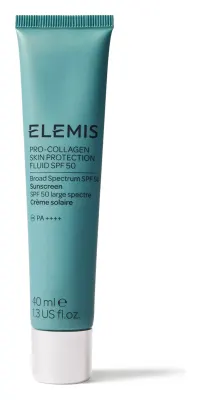
Elemis Pro-Collagen Skin Protection Fluid SPF 50
Padina pavonica, collagen amino acids, leuconostoc/radish root ferment filtrate · combination, dry, normal, oily, sensitive skin · scent-free label
Amazon


All 9 products with Cetyl Palmitate
Anti-Aging & Retinoid Serums (3)

Eye Creams & Under-Eye Patches (2)


Daily Moisturizers & Water Gel Creams (2)


Daily Sunscreens & SPF Moisturizers (1)
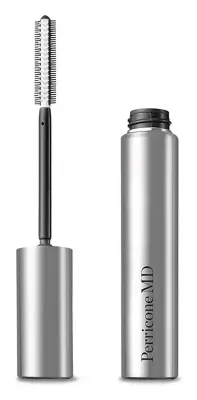
Eye Shadows, Liners, Mascara & Brow Makeup (1)
Common questions
What does cetyl palmitate do in skincare?
It is an emollient ester that can soften skin and add a smooth, waxy texture to products. It may also help give a formula more body.
Is cetyl palmitate a fatty alcohol?
No. Despite containing the word cetyl, cetyl palmitate is an ester made from cetyl alcohol and palmitic acid. It is not cetyl alcohol itself.
Is cetyl palmitate natural?
Its raw materials can come from different sources, including plants, or be manufactured. The INCI name does not reveal which source a maker used.