Cholesterol
What cholesterol does in skincare, why it appears in barrier-focused moisturizers, and how cosmetic sourcing can differ from the body's own cholesterol.
Extremely safeIn 16 products we cover
We may earn a commission when you buy through links on this page. It never changes what we recommend.
Quick facts
- INCI name
- Cholesterol
- CAS number
- 57-88-5
- Origin
- Animal-derived or Plant-derived or Synthetic
- Chemical class
- Sterol lipid
- What it does in a formula
- skin conditioning, emollient
- Why it is in the formula
- Adds a skin-identical lipid to emollient and barrier-supporting formulas.
What it is
While dietary cholesterol is widely tracked in nutrition, topical cholesterol is a skin-identical sterol lipid essential for maintaining the epidermal moisture barrier. In cosmetics, it is incorporated into rich creams and barrier treatments alongside ceramides and fatty acids. Raw material suppliers obtain it from animal sources, plant sterol precursors, or synthetic manufacturing routes, which cosmetic labels do not specify.
In skincare, cholesterol is most often discussed as one member of a group of lipids used in moisturizers. It may be combined with ceramides and fatty acids to give a formula an emollient profile that resembles some of the lipids found in the skin barrier. That does not mean a moisturizer changes blood cholesterol or works as a medical treatment. It is a cosmetic ingredient used in a topical formula, usually as a supporting part of the blend.
What it does
- Conditions skin. Cholesterol is a lipid that can help leave skin feeling softer and less dry.
- Contributes to a lipid blend. Formulators may combine it with ceramides and fatty acids in barrier-focused creams.
- Adds emollience. Along with other oils and lipids, it can give a cream a richer, more cushioning feel.
Who it suits
A cholesterol-containing moisturizer can be useful to consider if you prefer a richer cream or are looking for a formula with several barrier-related lipids. It is not reserved for one skin type, and its presence alone does not determine whether a product is too heavy for you. Look at the complete formula and choose by texture and how your skin responds.
The ingredient’s name can lead to confusion, but topical cholesterol is not a dietary source and does not act like a cholesterol-lowering or cholesterol-raising medicine. Anyone with a specific concern about an ingredient’s animal or plant origin should ask the product maker, since the label usually does not identify the source. Patch-test a new product if your skin is reactive, and consult a dermatologist about persistent irritation or a skin condition.
What to pair it with, and what not to
Cholesterol is often included in the same formula as ceramides and fatty acids, so you do not need to assemble that combination yourself. It can sit in a moisturizer over a water-based hydrator such as glycerin. Use the product according to its directions and do not add extra layers just because the ingredient list sounds comprehensive.
Skin Realist check: The ingredient name can sound dramatic. In a moisturizer, cholesterol is usually just one brick in a sensible wall.
Quick picks with Cholesterol
Scent-free, no patch-test flags on the label
COSRX The Ceramide Skin Barrier Moisturizer
scent-free label
AmazonBrand lists it for dry skin
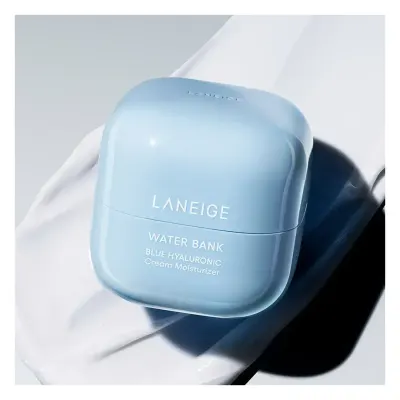
Laneige Water Bank Blue Hyaluronic Cream Moisturizer
Blue Hyaluronic Acid, Pepta-Panthenol Complex, and squalane · dry, normal skin · scented
AmazonFeatured in our guides
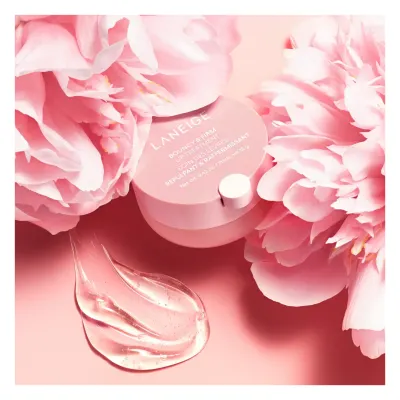
Laneige Bouncy & Firm Sleeping Mask
Peony & collagen complex, hyaluronic acid, squalane, probiotic ferment lysate, and peptides · scented
Amazon


All 16 products with Cholesterol
Daily Moisturizers & Water Gel Creams (4)

Sheet, Hydrogel & Clay Masks (3)


Hydrating Toners, Essence Waters & Face Mists (2)
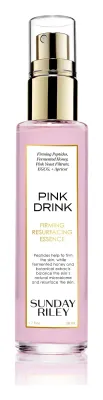

Premium Overnight Recovery Packs & Sleeping Facials (1)
Skin Barrier Repair Creams & Recovery Jars (1)
Hydrating Serums, Essences & Ampoules (1)

Intensive Lip Recovery Masks & Tinted Balms (1)
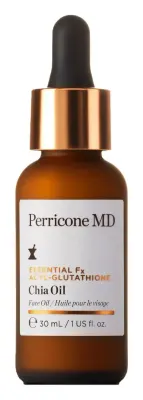
Face Oils & Treatment Oils (1)
Dermatological Acne & Chemical Exfoliating Liquids (1)

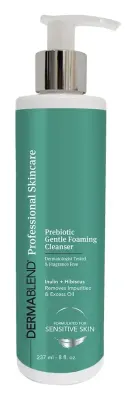
Gel, Foam & Cream Facial Cleansers (1)
Common questions
What does cholesterol do in skincare?
Cholesterol is a lipid used to condition skin and support the feel of a moisturizer. It is often formulated with other skin-related lipids such as ceramides and fatty acids.
Is cholesterol in skincare animal-derived?
It can be sourced from animal materials, plants, or manufactured routes. The INCI name does not identify the source, so contact the manufacturer if vegan sourcing matters to you.
Is cholesterol the same as the cholesterol in the body?
The ingredient is the same named sterol molecule, but applying a cosmetic is not the same as changing blood cholesterol. A moisturizer works at the skin surface and should not be treated as a medicine.
Can cholesterol be used with ceramides?
Yes. Cholesterol is commonly combined with ceramides and fatty acids in moisturizers because these lipids contribute to the formula's emollient profile. The product's overall design determines how it feels.