Cocamidopropyl Betaine
How cocamidopropyl betaine helps cleansers foam and feel milder, and why a small number of people may need to avoid it.
Extremely safeIn 21 products we cover
We may earn a commission when you buy through links on this page. It never changes what we recommend.
Quick facts
- INCI name
- Cocamidopropyl Betaine
- Origin
- Plant-derived or Synthetic
- Chemical class
- Amphoteric surfactant
- What it does in a formula
- cleansing, foaming, surfactant, viscosity controlling
- Why it is in the formula
- Usually combined with other surfactants to help a cleanser foam and feel less harsh during washing.
What it is
To help water dissolve surface oils and lift away dirt, formulators use cocamidopropyl betaine, an amphoteric surfactant common in cleansers, shampoos, and body washes. Its chemical structure features a fatty chain commonly derived from coconut oil attached to a synthetic betaine group. The finished ingredient is chemically processed, and product labels do not specify raw manufacturing sources.
It is often blended with other cleansing agents rather than used alone. A cleanser’s mildness is not determined by one surfactant name. The blend, concentration, pH, how long it stays on your skin, and whether you rinse thoroughly all shape the experience. More foam does not automatically mean a cleanser cleans better, and low foam does not prove it is gentle.
What it does
- Helps cleanse. It assists water in removing oil, makeup residue, and everyday debris from skin or hair.
- Boosts foam. It can help a cleanser make and maintain lather, which some people like during washing.
- Balances a surfactant blend. Formulators often combine it with other surfactants to adjust feel and cleansing strength.
- Adds a supporting texture effect. It may help a cleanser feel more substantial, but it is not a leave-on moisturizer or an active treatment.
Who it suits
Many people use rinse-off products with cocamidopropyl betaine without a problem. However, it is a documented contact allergen for some people. In certain cases, reactions are associated with amidoamine or DMAPA, impurities that can remain from manufacturing. If you have a known allergy, check labels and choose a cleanser without it. A dermatologist can help test for the relevant allergen when reactions recur.
If a cleanser leaves your skin feeling tight or uncomfortable, the whole formula and how often you wash may matter. Try a gentler-feeling cleanser or reduce unnecessary washing rather than assuming that more lather means better cleansing. Stop using a product that causes persistent discomfort and consult a dermatologist if you have ongoing symptoms. The ingredient’s coconut association does not mean it will behave like coconut oil or that a coconut allergy automatically predicts a reaction to the finished surfactant.
What to pair it with, and what not to
Cocamidopropyl betaine is a rinse-off cleansing ingredient, not a serum that needs a partner. Use a cleanser according to its directions, rinse it off, and follow with the moisturizer that suits your routine. If your skin feels stripped, look at the cleanser blend and washing habits rather than adding another exfoliating step. A basic cleanser is not improved simply by making it foam more.
Skin Realist check: A little foam can be fun, but your face does not owe the sink a performance.
Quick picks with Cocamidopropyl Betaine
Scent-free, no patch-test flags on the label
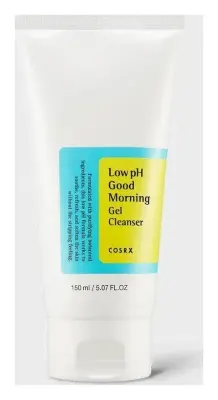
COSRX Low pH Good Morning Gel Cleanser
scent-free label
AmazonBrand lists it for sensitive skin
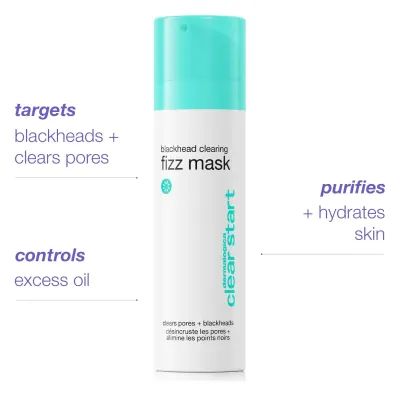
Dermalogica blackhead clearing fizz mask
Sulfur 3.0%; kaolin clay · oily, dry, combination, sensitive, normal skin · scented
AmazonBrand lists it for oily skin
Dermalogica acne clearing skin wash
Salicylic acid, niacinamide, menthol, camphor, and eucalyptus extract · normal, combination, oily skin · scent-free label
Amazon
All 21 products with Cocamidopropyl Betaine
Gel, Foam & Cream Facial Cleansers (12)
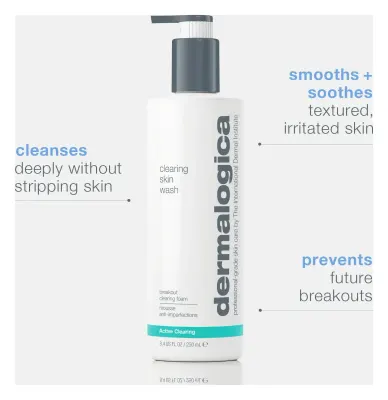 Dermalogica acne clearing skin washAmazon
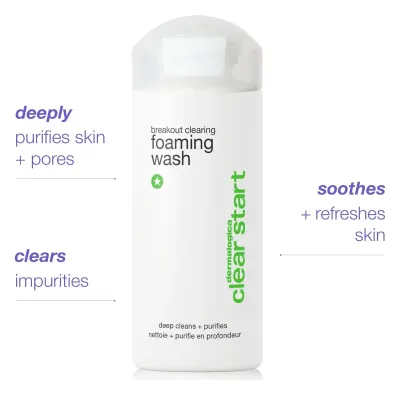 Dermalogica breakout clearing foaming washAmazon
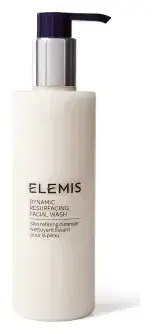 Elemis Dynamic Resurfacing Facial WashAmazon
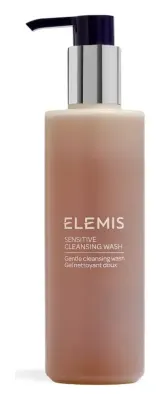 Elemis Sensitive Cleansing WashAmazon
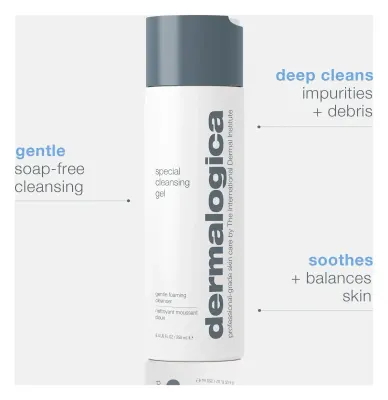 Dermalogica special cleansing gelAmazon
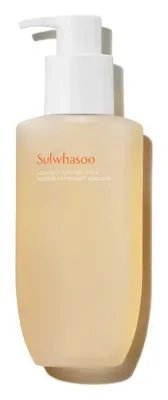 Sulwhasoo Gentle Cleansing FoamAmazon
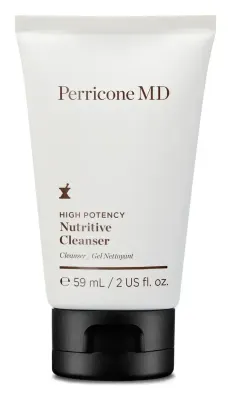 Perricone MD High Potency Classics Nutritive CleanserAmazon
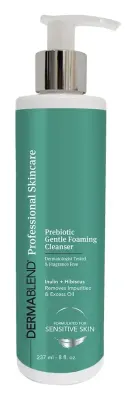 Dermablend Prebiotic Gentle Foaming CleanserAmazon
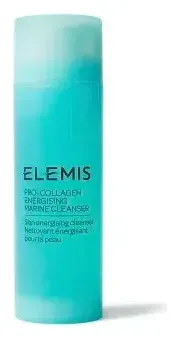 Elemis Pro-Collagen Energising Marine CleanserAmazon
 Elemis Superfood Facial WashAmazon
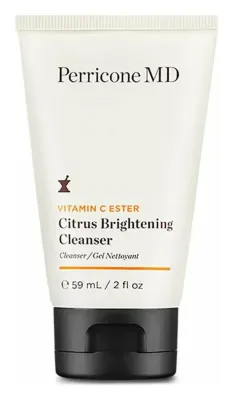 Perricone MD Vitamin C Ester Citrus Brightening CleanserAmazon
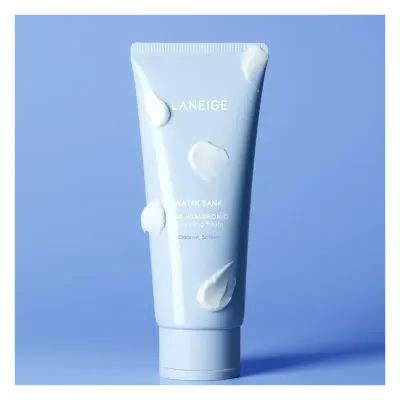 Laneige Water Bank Blue Hyaluronic Cleansing FoamAmazon
Body Creams, Butters & Body Oils (5)
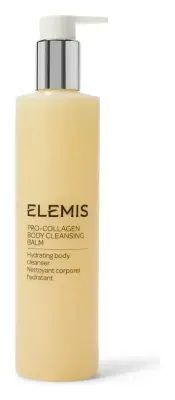
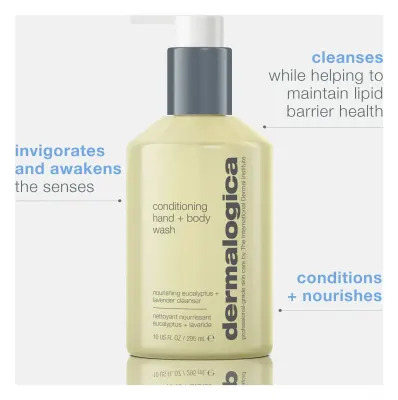
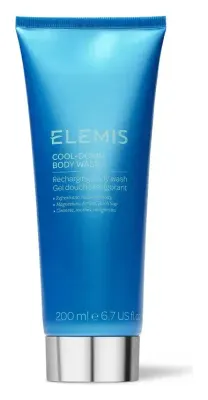
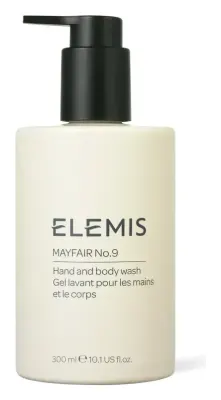
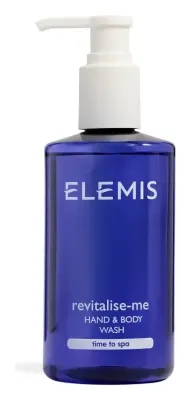
Premium Double-Cleansing Balms & Melting Gels (2)
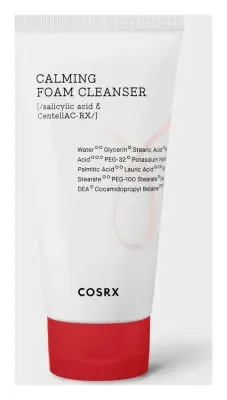
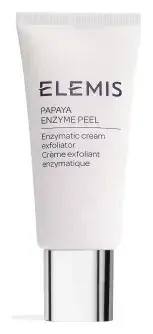
Physical & Enzyme Face Exfoliants (1)
Sheet, Hydrogel & Clay Masks (1)
Common questions
What does cocamidopropyl betaine do in a cleanser?
It is a surfactant that helps lift oil and debris so they rinse away. It can also boost foam and is often blended with other cleansing agents.
Is cocamidopropyl betaine a harsh surfactant?
It is often used in cleanser blends intended to feel milder than a formula built around a single strong surfactant. Mildness still depends on the whole formula, contact time, and how you use it.
Can cocamidopropyl betaine cause an allergy?
Yes, it is a documented contact allergen for some people. Reactions have also been linked to manufacturing impurities such as DMAPA and amidoamine, so a dermatologist can help identify the cause.
Is cocamidopropyl betaine from coconut?
Its fatty starting material is commonly described as coconut-derived, but the finished surfactant is made through chemical processing. The label does not identify a specific source or production route.