Cocos Nucifera (Coconut) Oil
What Cocos Nucifera (Coconut) Oil does in skincare, its usual role in cosmetic formulas, who may prefer it, and what to know before using it.
Probably fineIn 14 products we cover
We may earn a commission when you buy through links on this page. It never changes what we recommend.
Quick facts
- INCI name
- Cocos Nucifera (Coconut) Oil
- Origin
- Plant-derived
- Chemical class
- Plant oil (triglycerides)
- What it does in a formula
- emollient, skin conditioning
- Why it is in the formula
- Usually added as an emollient to soften skin and give creams, balms, or oils a richer feel.
What it is
Pressed from the dried meat or kernel of the coconut (Cocos nucifera), coconut oil is a rich plant oil composed predominantly of saturated fatty acids. Its primary constituent is lauric acid, which gives the oil a solid, balmy texture at cooler room temperatures. This saturated lipid profile makes it significantly heavier and firmer than vegetable oils dominated by unsaturated fats.
In cosmetics, coconut oil is an emollient that softens skin and reduces the feeling of dryness. It can appear in balms, creams, cleansers, and hair products. Like other oils, exposure to air, light, and heat can gradually affect quality, so follow the product?s storage and use-by guidance rather than keeping an opened oil indefinitely.
What it does
- Softens skin. Its oil film helps smooth rough-feeling areas and gives a richer finish.
- Adds cushion to a formula. It can make a balm or cream feel more substantial and help reduce surface moisture loss.
- Brings a distinct fatty-acid profile. Its high saturated-fat content, especially lauric acid, helps explain its texture.
This ingredient is a supporting part of a finished formula. Its contribution can vary with product type, manufacturing, and other materials used alongside it. Ingredient lists are not concentration labels, so they cannot tell you how strong a particular effect will be.
Who it suits
Coconut oil may appeal if you like richer emollients, especially on dry body areas or in a balm. Facial skin that is oily or prone to clogged pores may find a heavy oil texture less comfortable, but there is no reliable universal comedogenic score to predict how an individual product will behave. Start with a small area if you are unsure.
The overall texture and the rest of the ingredient list matter as much as this one name. If a new product causes persistent discomfort, stop using it and ask a dermatologist for advice. Patch-testing can help you introduce unfamiliar formulas more cautiously.
What to pair it with, and what not to
Coconut oil can be used with humectants such as glycerin, which draw water, while oil helps soften and reduce surface moisture loss. It is not a substitute for sunscreen or a moisturizer texture you prefer. If you use it on your face, do not assume a kitchen-grade oil and a formulated cosmetic product will behave identically. There is no need to build a routine around this ingredient alone. Choose compatible textures, follow product directions, and let the complete formula do its intended job.
Skin Realist check: You do not need to turn a personal texture preference into a referendum on whether oils belong on faces.
Quick picks with Cocos Nucifera (Coconut) Oil
Scent-free, no patch-test flags on the label
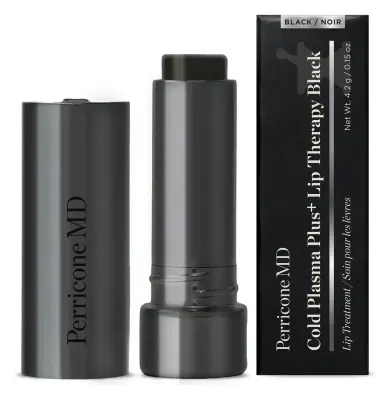
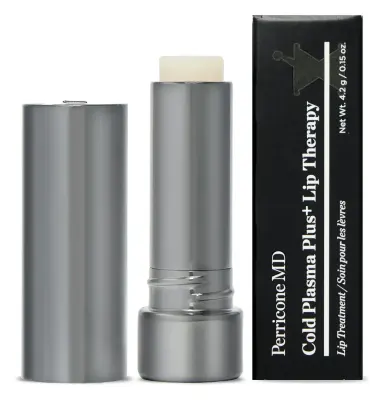
Perricone MD Cold Plasma Plus + Lip Therapy Black
Hyaluronic acid, peptides, avocado oil, shea butter · scent-free label
AmazonBrand lists it for sensitive skin
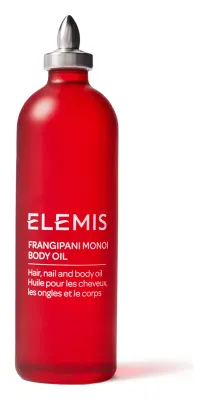
Elemis Frangipani Monoi Body Oil
Frangipani extract, monoi extract, and coconut oil · combination, dry, normal, oily, sensitive skin · scented
AmazonBrand lists it for oily skin
Dermalogica powerbright dark spot peel
Glycolic acid, mandelic acid, niacinamide, tranexamic acid, omega-3 algae blend and turmeric butter blend · oily, dry, combination, sensitive, normal skin · scented
Amazon

All 14 products with Cocos Nucifera (Coconut) Oil
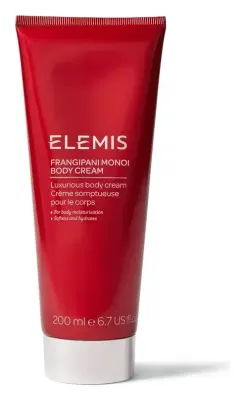
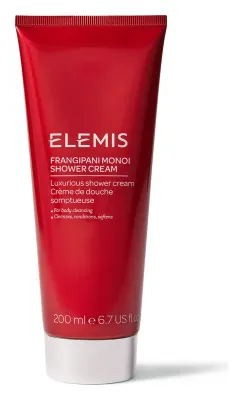
Body Creams, Butters & Body Oils (4)
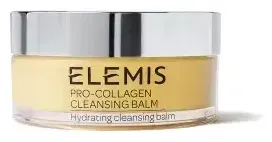
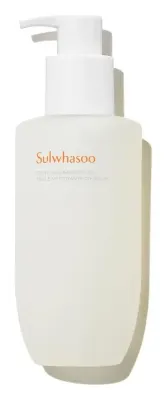
Premium Double-Cleansing Balms & Melting Gels (2)
Intensive Lip Recovery Masks & Tinted Balms (2)
Eye Creams & Under-Eye Patches (2)
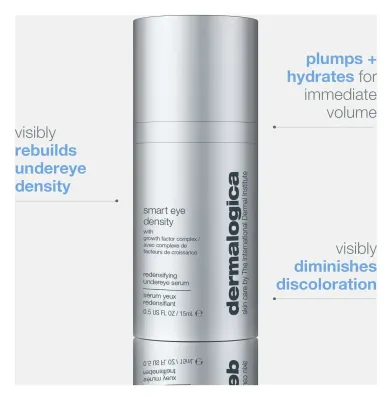

Targeted Vitamin C & Brightening Correctors (1)
Daily Moisturizers & Water Gel Creams (1)
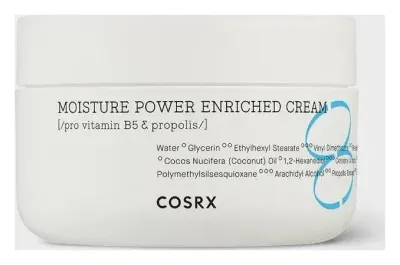
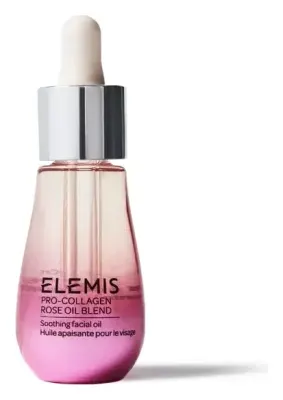
Face Oils & Treatment Oils (1)
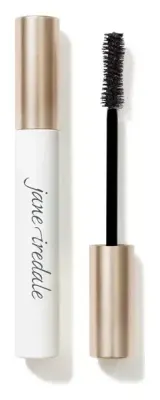
Eye Shadows, Liners, Mascara & Brow Makeup (1)
Common questions
What does coconut oil do in skincare?
Coconut oil is an emollient used to soften skin and give products a richer, more occlusive feel. It is pressed from the coconut kernel.
Is coconut oil good for acne-prone skin?
Some people with acne-prone skin find its rich texture uncomfortable, while others may use it without issue. Comedogenic ratings are unreliable, and a product?s complete formula matters.
Does coconut oil go bad?
Like other oils, it can change with exposure to heat, light, and air. Follow storage instructions and discard it if its appearance, smell, or texture changes.