Cyanocobalamin
What cyanocobalamin, a form of vitamin B12, does in cosmetics and what limited topical research can and cannot tell you.
Extremely safeIn 12 products we cover
We may earn a commission when you buy through links on this page. It never changes what we recommend.
Quick facts
- INCI name
- Cyanocobalamin
- Origin
- Synthetic or Biotech (fermentation)
- Chemical class
- Cobalamin (vitamin B12)
- What it does in a formula
- skin conditioning, colorant
- Why it is in the formula
- It can condition skin and contribute the distinctive pink color associated with vitamin B12.
What it is
A stable synthetic form of vitamin B12, cyanocobalamin serves as a skin-conditioning ingredient and colorant in skincare and makeup. It can give formulas a natural pink hue and often appears in creams or serums marketed around vitamins. Using topical vitamin B12 in a cosmetic is not the same as taking dietary supplements or treating a medical condition.
The topical evidence is limited. Some research explores vitamin B12 in laboratory settings or in relation to oral supplementation, but that does not establish the effect of a finished cosmetic applied to skin. Ingredient concentration, product design, and how someone uses a product all matter. It is best to think of cyanocobalamin as an interesting supporting ingredient, not a guaranteed active with a predictable outcome.
What it does
- Conditions skin. It can be included to support the feel and conditioning profile of a cosmetic.
- Adds color. Cyanocobalamin has a distinctive color that may tint a product.
- Contributes a vitamin-derived ingredient. It may be part of a formula’s ingredient story, while topical results remain uncertain.
Who it suits
Cyanocobalamin is generally used at cosmetic levels and is not a reason on its own to expect a product to suit a particular skin type. The cream or serum’s full formula will have more to do with texture and feel. If you are curious about it, choose a product for its overall formulation and realistic cosmetic purpose rather than its vitamin name alone.
People can react to any cosmetic ingredient. If a product causes persistent irritation, discontinue it and consider speaking with a dermatologist. Do not use a topical cosmetic as a substitute for medical advice or for a supplement recommended by a clinician. If you have questions about B12 nutrition or a diagnosed deficiency, those are separate from a skincare routine.
What to pair it with, and what not to
There is no established ingredient pairing needed for cyanocobalamin. It can be used as part of a formula with ordinary moisturizing ingredients, but the formula’s directions still apply. Avoid treating it as a stand-alone vitamin treatment or assuming that layering more B12-containing products will improve results. A steady, simple routine is easier to evaluate than several new products at once.
Skin Realist check: A vitamin on the label is a starting point for curiosity, not a promise of a transformation.
Quick picks with Cyanocobalamin
Scent-free, no patch-test flags on the label
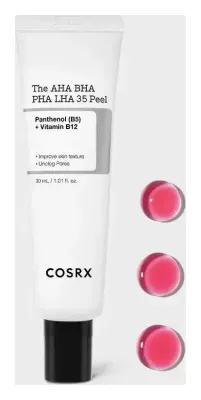
COSRX The AHA BHA PHA LHA 35 Peel
AHA + BHA + PHA + LHA 35% · scent-free label
AmazonFeatured in our guides
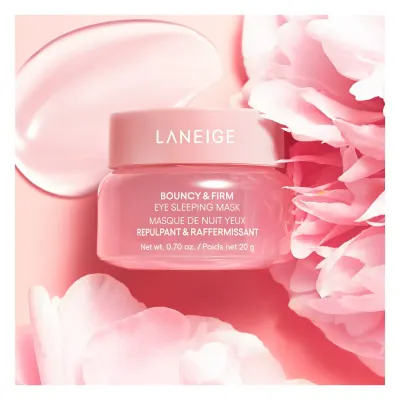
Laneige Bouncy & Firm Sleeping Mask
Peony & collagen complex, hyaluronic acid, squalane, probiotic ferment lysate, and peptides · scented
Amazon

All 12 products with Cyanocobalamin
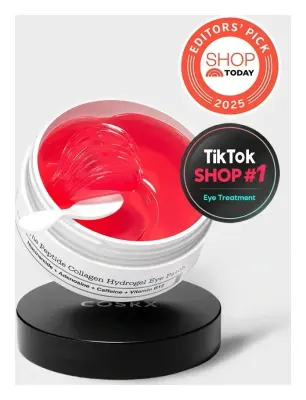
Eye Creams & Under-Eye Patches (5)



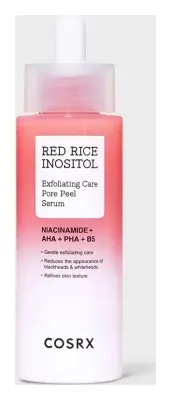
Dermatological Acne & Chemical Exfoliating Liquids (2)
Sheet, Hydrogel & Clay Masks (2)


Premium Overnight Recovery Packs & Sleeping Facials (1)
Anti-Aging & Retinoid Serums (1)

Premium Double-Cleansing Balms & Melting Gels (1)
Common questions
What is cyanocobalamin in skincare?
Cyanocobalamin is a stable form of vitamin B12 that may be included in cosmetics as a skin-conditioning ingredient or colorant. The pink hue of a product can come from the ingredient itself.
Does topical vitamin B12 improve skin?
Research on cyanocobalamin applied to skin is limited, with much of the broader vitamin B12 literature involving lab research or oral supplements. Those findings do not establish that a cosmetic product will produce a particular visible result.
Is cyanocobalamin the same as vitamin B12?
Cyanocobalamin is one form of vitamin B12. It is not the only form, and the exact form matters when describing an ingredient or research.
Why is cyanocobalamin in a face cream?
A formulator may use it for skin conditioning or its characteristic color. Its presence does not mean the cream is a supplement or that it replaces nutritional care.