Decyl Glucoside
How decyl glucoside cleanses and foams, what affects a cleanser's mildness, and why a few people may need to patch-test.
Extremely safeIn 11 products we cover
We may earn a commission when you buy through links on this page. It never changes what we recommend.
Quick facts
- INCI name
- Decyl Glucoside
- CAS number
- 58846-77-8
- Origin
- Plant-derived or Synthetic
- Chemical class
- Nonionic alkyl glucoside surfactant
- What it does in a formula
- cleansing, foaming, surfactant
- Why it is in the formula
- Usually included in rinse-off cleansers to lift dirt and oil and contribute foam.
What it is
In rinse-off cleansers, decyl glucoside functions as a mild nonionic surfactant that helps lift oil and dirt. Its name reflects a glucose unit bonded to a decyl fatty alcohol. While these starting feedstocks often come from plants, the finished surfactant requires chemical processing. The cosmetic label does not specify the exact raw material source or manufacturing route.
You may see decyl glucoside in facial cleansers, shampoos, and body washes. It is often included in blends with other surfactants. A surfactant helps water and oily residue mix so dirt and excess oil can be rinsed away. The word glucoside does not mean the ingredient is a sugar scrub or a leave-on hydrating active.
What it does
- Cleanses. It helps loosen oil and everyday residue from skin or hair so water can carry them away.
- Creates foam. It can contribute to lather, though more foam does not necessarily mean stronger cleansing or better performance.
- Works in a surfactant blend. The formula’s other cleansing agents, pH, and use instructions affect whether a cleanser feels comfortable or stripping.
- Remains a rinse-off helper. It is not an ingredient you need to layer on skin for a leave-on benefit.
Who it suits
Alkyl glucosides are often used in products marketed as mild cleansers, but they are documented contact allergens for some people. If you have a known allergy to decyl glucoside, check labels and choose another cleanser. If you develop repeated discomfort, stop use and ask a dermatologist about identifying the cause. Patch-testing a new product can be a sensible step when you know your skin is reactive.
A cleanser that leaves your skin tight or uncomfortable may be too strong for your preferences, but the cause can be the full formula or washing habits rather than decyl glucoside alone. Try shorter contact time, lukewarm water, or a different cleanser instead of scrubbing harder. Foam level is not a reliable measure of mildness. People with ongoing skin concerns should consult a dermatologist rather than relying on a cleanser label.
What to pair it with, and what not to
Decyl glucoside is part of a rinse-off cleanser, not a serum that needs an active partner. Use the cleanser as directed, rinse well, and follow with a moisturizer if you want one. If the formula feels too stripping, switch to a different cleanser rather than adding more exfoliation.
Skin Realist check: A soft cleanser is a routine tool, not a test of your toughness.
Quick picks with Decyl Glucoside
Scent-free, no patch-test flags on the label
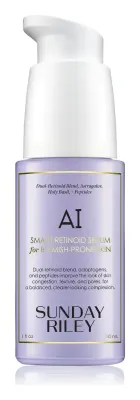
Sunday Riley A.I. Smart Retinoid Serum
Hydroxypinacolone Retinoate · scent-free label
AmazonBrand lists it for sensitive skin
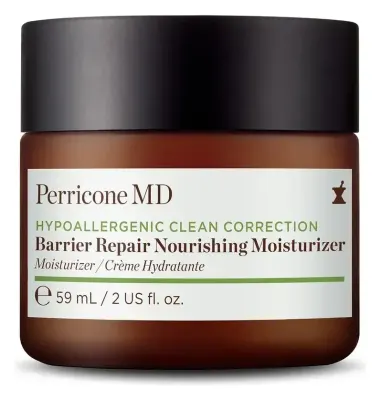
Perricone MD Hypoallergenic Clean Correction Barrier Repair Nourishing Moisturizer
Peptides, ceramides, and mushroom extract · sensitive skin · scent-free label
AmazonBrand lists it for oily skin
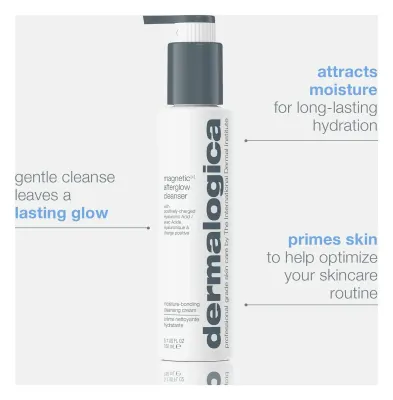
Dermalogica magnetic[+] afterglow cleanser
Positively charged hyaluronic acid, murumuru butter, oat, lotus root extract, and 10% glycerin · oily, dry, combination, sensitive, normal skin · scented
Amazon
All 11 products with Decyl Glucoside
Gel, Foam & Cream Facial Cleansers (5)



Anti-Aging & Retinoid Serums (2)

Skin Barrier Repair Creams & Recovery Jars (1)
Premium Double-Cleansing Balms & Melting Gels (1)
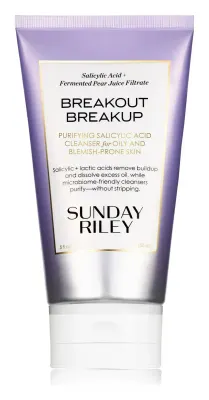
Daily Moisturizers & Water Gel Creams (1)
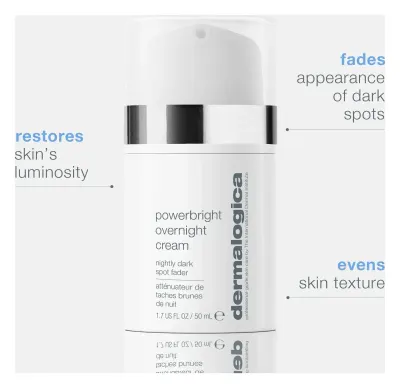
Body Creams, Butters & Body Oils (1)
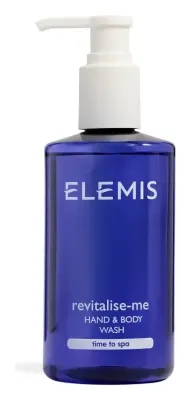
Common questions
What does decyl glucoside do in a cleanser?
It is a surfactant that helps water lift oil and everyday residue so they can rinse away. It can also contribute to foam.
Is decyl glucoside a mild cleanser?
Alkyl glucosides have a mild reputation, but mildness depends on the full surfactant blend, concentration, pH, and how long you leave a cleanser on. No single ingredient guarantees a gentle finished product.
Can decyl glucoside cause an allergy?
Yes. It is a documented contact allergen for some people. If you have reacted to it before, avoid products listing it and ask a dermatologist about recurring reactions.
Is decyl glucoside derived from plants?
Its sugar and fatty-alcohol building blocks are commonly plant-derived, but it is made through processing. The ingredient list does not identify the exact source material.