Dicaprylyl Carbonate
What dicaprylyl carbonate contributes to moisturizers and sunscreens, including its lightweight slip and soft after-feel.
Extremely safeIn 21 products we cover
We may earn a commission when you buy through links on this page. It never changes what we recommend.
Quick facts
- INCI name
- Dicaprylyl Carbonate
- CAS number
- 1680-31-5
- Origin
- Synthetic
- Chemical class
- Carbonate ester emollient
- What it does in a formula
- emollient, skin conditioning, solvent
- Why it is in the formula
- Adds a lightweight, silky emollient feel and can help the formula spread smoothly.
What it is
To improve how cosmetics spread and feel across skin, formulators use dicaprylyl carbonate, a synthetic emollient ester. It is produced by combining alcohol and carbonate chemistry. Despite the caprylyl part of its name, it is not coconut oil or a simple fatty acid. Its light slip helps creams glide on without heaviness.
You may find it in moisturizers, sunscreens, makeup, and other products that benefit from a smooth, less greasy feel. Formulators use it as one piece of the oil phase, often alongside other emollients, waxes, or UV filters. The label does not tell you how much is present or whether it is the ingredient responsible for the feel you notice.
What it does
- Softens skin. As an emollient, it helps leave the surface feeling smoother and more comfortable.
- Adds slip. It can help a cream or lotion spread with a light, silky feel instead of dragging.
- Carries oil-soluble ingredients. Its solvent properties can help blend certain components into a formula.
- Balances texture. It can be part of a blend that feels less heavy than a traditional rich oil, though the full formula decides the result.
Who it suits
Dicaprylyl carbonate is a supporting ingredient, not the reason to buy a product. Dry skin may enjoy the softened feel of an emollient blend, while some people with oily or combination skin prefer products that feel lighter. That is about personal texture preference, not a guarantee that an ingredient will or will not suit you.
There is no dependable comedogenic number that predicts what this ingredient will do in a finished product. Older ratings are not a reliable shopping shortcut, and the product’s other ingredients, amount, and use all matter. If you are sensitive, patch-test the complete formula. Stop using a product that causes persistent discomfort and consider speaking with a dermatologist if reactions recur.
What to pair it with, and what not to
Dicaprylyl carbonate is already combined with other ingredients inside the product, so it does not need a separate partner. It can sit in a moisturizer alongside humectants such as glycerin or barrier-supporting ceramides. Use sunscreen according to its directions; this emollient is not sun protection.
Skin Realist check: A product can feel elegant without making a speech about it. Slip is a perfectly respectable job.
Quick picks with Dicaprylyl Carbonate
Scent-free, no patch-test flags on the label
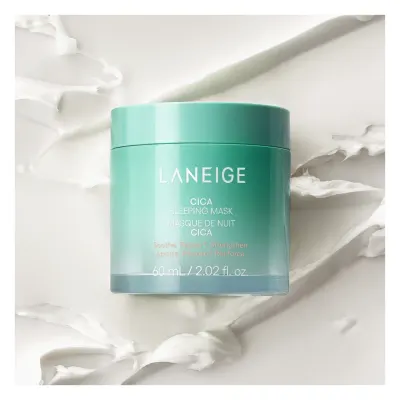
Laneige Cica Sleeping Mask with Centella Asiatica for Moisture Barrier Support
Centella asiatica, madecassoside, panthenol, squalane, niacinamide · normal, dry, combination, sensitive skin · scent-free label
AmazonBrand lists it for sensitive skin
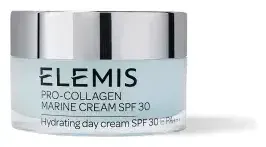
Elemis Pro-Collagen Marine Cream SPF 30
Avobenzone 1% · oily, dry, combination, sensitive, normal skin · scented
AmazonBrand lists it for oily skin
Elemis Pro-Collagen Marine Cream for Men
Padina pavonica, ginkgo biloba, and wheat germ oil · combination, dry, normal, oily skin · scented
Amazon
All 21 products with Dicaprylyl Carbonate
Daily Moisturizers & Water Gel Creams (10)
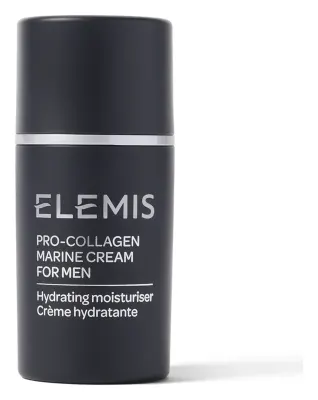 Elemis Pro-Collagen Marine Cream for MenAmazon
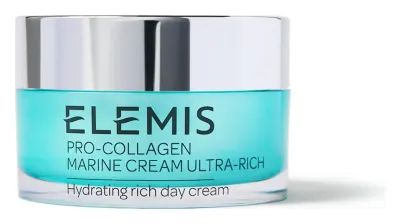 Elemis Pro-Collagen Marine Cream Ultra-RichAmazon
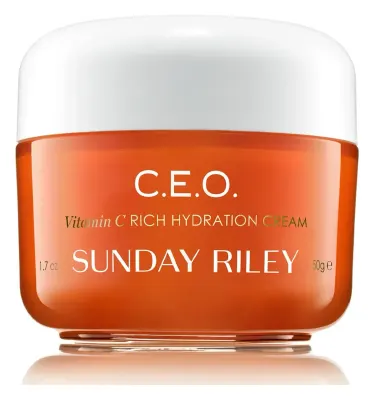 Sunday Riley C.E.O. Vitamin C Rich Hydration CreamAmazon
 Elemis ULTRA SMART Pro-Collagen Day CreamAmazon
 Elemis Pro-Collagen Morning MatrixAmazon
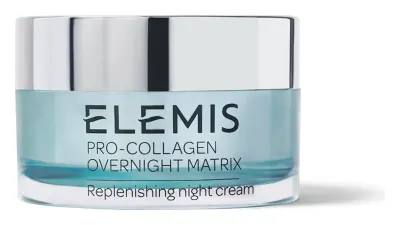 Elemis Pro-Collagen Overnight MatrixAmazon
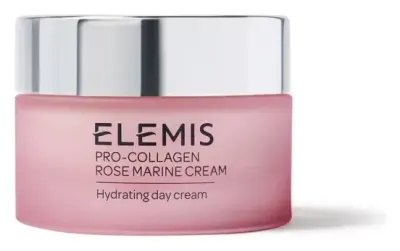 Elemis Pro-Collagen Rose Marine CreamAmazon
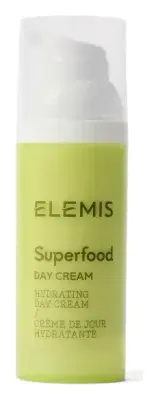 Elemis Superfood Day CreamAmazon
 Elemis Superfood Glow Priming MoisturiserAmazon
 Elemis ULTRA SMART Pro-Collagen Night GeniusAmazon
Body Creams, Butters & Body Oils (4)
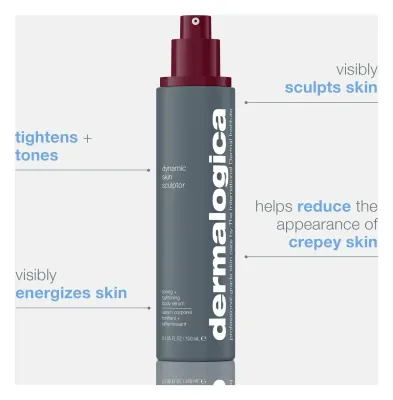

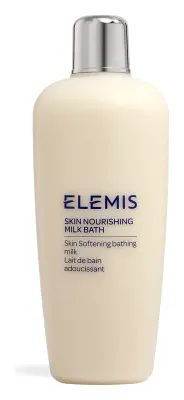
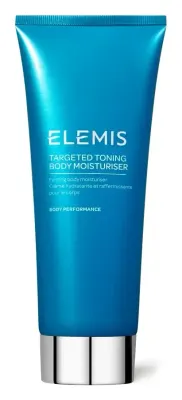
Premium Overnight Recovery Packs & Sleeping Facials (2)
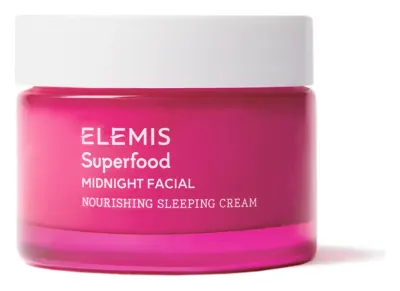
Skin Barrier Repair Creams & Recovery Jars (1)

Daily Sunscreens & SPF Moisturizers (1)
Hydrating Toners, Essence Waters & Face Mists (1)

Anti-Aging & Retinoid Serums (1)

Eye Creams & Under-Eye Patches (1)

Common questions
What does dicaprylyl carbonate do in skincare?
It is an emollient that helps soften skin and gives a product a smooth, lightweight slip. It can also help carry oil-soluble ingredients.
Is dicaprylyl carbonate an oil?
It is an ester rather than a conventional plant oil. It can still give a formula an emollient, oil-like feel, often with a lighter finish.
Is dicaprylyl carbonate suitable for oily skin?
Some people with oily or combination skin prefer the lighter feel of products containing it, but texture preferences vary. The full formula matters more than this ingredient alone.
Is dicaprylyl carbonate comedogenic?
There is no reliable way to predict whether a finished product will clog pores from one ingredient or an old score. Results depend on the formula and your skin.